
Assault vs. Battery in California: What’s the Difference?
The terms assault and battery are often used interchangeably, but under California law, they are two distinct criminal offenses with different legal definitions, elements, and penalties.…
Facing assault charges in California can feel completely overwhelming, especially when the situation stems from an underlying mental illness rather than criminal intent. Fortunately, the answer is yes: under California Penal Code Section 1001.36 (PC 1001.36), eligible individuals can secure mental health diversion, pausing their case to complete a treatment program instead of facing jail time. Achieving this outcome requires an aggressive defense strategy, making it essential to partner with an experienced firm like Rubin Law, P.C. to secure a full case dismissal.
California’s Mental Health Diversion program is designed to catch individuals who have fallen through the cracks of the medical system. Rather than using incarceration as a first resort, the state permits judges to press the "pause" button on active criminal proceedings.
During this pause, the defendant enters a structured, court-approved psychiatric treatment plan. Diversion is a pre-plea program, which means you do not have to plead guilty or admit to a crime to access help. This sets it apart from traditional Los Angeles Collaborative Courts, such as Drug Courts or Veterans Courts, which frequently require a formal guilty plea before providing treatment options.
If you complete the diversion program successfully, the reward is life-altering:

Not all assault charges are treated equally in local Southern California courthouses. The ease of securing diversion heavily depends on whether the prosecutor files the case as a misdemeanor or a felony.
Misdemeanor violations like Simple Assault (PC 240) or Simple Battery (PC 242) are the absolute prime candidates for a PC 1001.36 motion. Because these offenses do not involve weapons or severe physical harm, judges are far more likely to grant treatment options over jail time.
Charges like Assault with a Deadly Weapon (PC 245) or Aggravated Battery are much more complex. While felonies are technically eligible for diversion, they face severe legal pushback. Under California law, a judge cannot grant diversion if the prosecution proves the defendant poses an "unreasonable risk to public safety."
Furthermore, "super strike" offenses (such as murder, rape, or shooting into an inhabited building) are completely banned from diversion eligibility. When serious felony allegations are on the table, a highly strategic legal defense is required to convince the court that the individual can be safely treated within the community.

Securing a mental health diversion is not automatic. Your defense counsel must prove to the court that you meet five strict statutory criteria:
A simple note from a family therapist or a primary care physician will not convince a prosecutor or a judge to drop an assault case. To win a PC 1001.36 motion, you must work with a qualified forensic psychologist or psychiatrist.
These specialists perform a rigorous clinical evaluation. They review the police reports, administer medical tests, analyze treatment histories, and draft a formal medical report that establishes the necessary legal "nexus."
At Rubin Law, P.C., defense attorney Daniel S. Rubin prioritizes early expert intervention. Retaining a trusted forensic medical expert immediately after your arraignment allows the defense to control the narrative. By acting aggressively before the Los Angeles District Attorney's office hardens its stance on your case, it becomes possible to steer the prosecution toward rehabilitation rather than maximum punishment.
California's legal landscape regarding mental health care has shifted in favor of defense access through modern senate updates like SB 1223. Understanding these changes can completely alter the defense approach for an assault charge.
In the past, the defense carried the heavy burden of definitively proving that a mental illness directly caused the crime. Under modified statutes, once a qualified diagnosis is proven, there is a legal presumption that the illness caused the behavior. The burden then shifts to the prosecution. To deny diversion, the DA must prove by clear and convincing evidence that the illness did not play a role.
The law also sets hard time limits on how long a court can pause criminal proceedings for medical care:
The journey from an assault arrest to a sealed record involves a precise legal process:
While diversion is an incredible opportunity, it is highly scrutinized. Prosecutors regularly fight these motions by arguing that anyone accused of an assault is too dangerous for community release.
To combat this, the team at Rubin Law, P.C. frequently uses a PC 17(b) "Wobbler" strategy. If a client faces felony assault, the defense can file a motion asking the judge to reduce the charge to a misdemeanor. Dropping the offense level automatically lowers the legal stakes and dramatically increases the statistical odds of getting mental health diversion approved.
It is also vital to avoid factors that cause program revocation. Missing therapy sessions, refusing to take prescribed psychiatric medications, or picking up a new arrest will trigger a termination hearing. If a judge revokes your diversion, the program ends, the safety net disappears, and the client is returned directly to regular criminal prosecution facing standard jail or prison sentences.
The mental health diversion statute remains a subject of intense political debate across California.
The Public Safety Conflict: Many conservative law enforcement associations and district attorneys publicly criticize the program. They claim that pre-plea diversion functions as a dangerous legal loophole that undermines the state's Three-Strikes law and ignores the rights of victims.
However, defense advocates and reform organizations emphasize the data: treating the clinical root causes of a psychological crisis prevents future crimes. Incarcerating an individual with a severe illness without giving them medical care almost guarantees they will cycle right back into the justice system, costing taxpayers thousands of dollars while leaving the community less safe.
Yes, domestic violence charges (such as PC 273.5) are technically eligible for mental health diversion. However, because these cases involve intimate partners, Los Angeles judges apply intense scrutiny. The defense must present an incredibly thorough treatment plan to prove the victim will remain completely safe.
No. A prior criminal record does not trigger an automatic disqualification unless you have a past conviction for an explicit "super strike" felony (like murder or a severe sex crime). However, a lengthy record makes it harder to prove you are not a public safety risk, requiring a highly strategic legal argument.
Mental health diversion is a pre-trial program that bypasses a trial completely, leading directly to treatment and case dismissal. An NGI plea occurs at trial. It means you admit to the act but argue you were legally insane when it happened. An NGI verdict often results in being committed to a state mental hospital for a duration equal to the maximum prison term.
This is where Rubin Law, P.C.’s core strength comes into play. If law enforcement violated your Fourth Amendment rights during your arrest, your attorney can file a motion to suppress the evidence. If successful, this can defeat the assault charge entirely, eliminating the need to go through a long diversion program in the first place.
The court does not require you to pay for luxury private treatment to qualify for diversion. If a defendant is indigent or lacks private health insurance, the court can approve placement in county-funded clinics, public mental health programs, or community-based non-profit services.
California treats violent crime allegations with immense severity, but you do not have to let a mental health crisis dictate the rest of your life. Penal Code 1001.36 offers a lawful, compassionate path to rehabilitation and a completely clean record—but you cannot afford to leave your freedom to chance.
Rubin Law, P.C. maintains a daily courtroom presence across major Los Angeles venues, including the Clara Shortridge Foltz Criminal Justice Center, Van Nuys, Airport, Metropolitan, Compton, and Inglewood courthouses. Founding attorney Daniel S. Rubin focuses on aggressive constitutional protections and early intervention to halt the prosecution's momentum before it hardens. Contact Rubin Law, P.C. today to secure a confidential case evaluation and fight for the second chance you deserve.
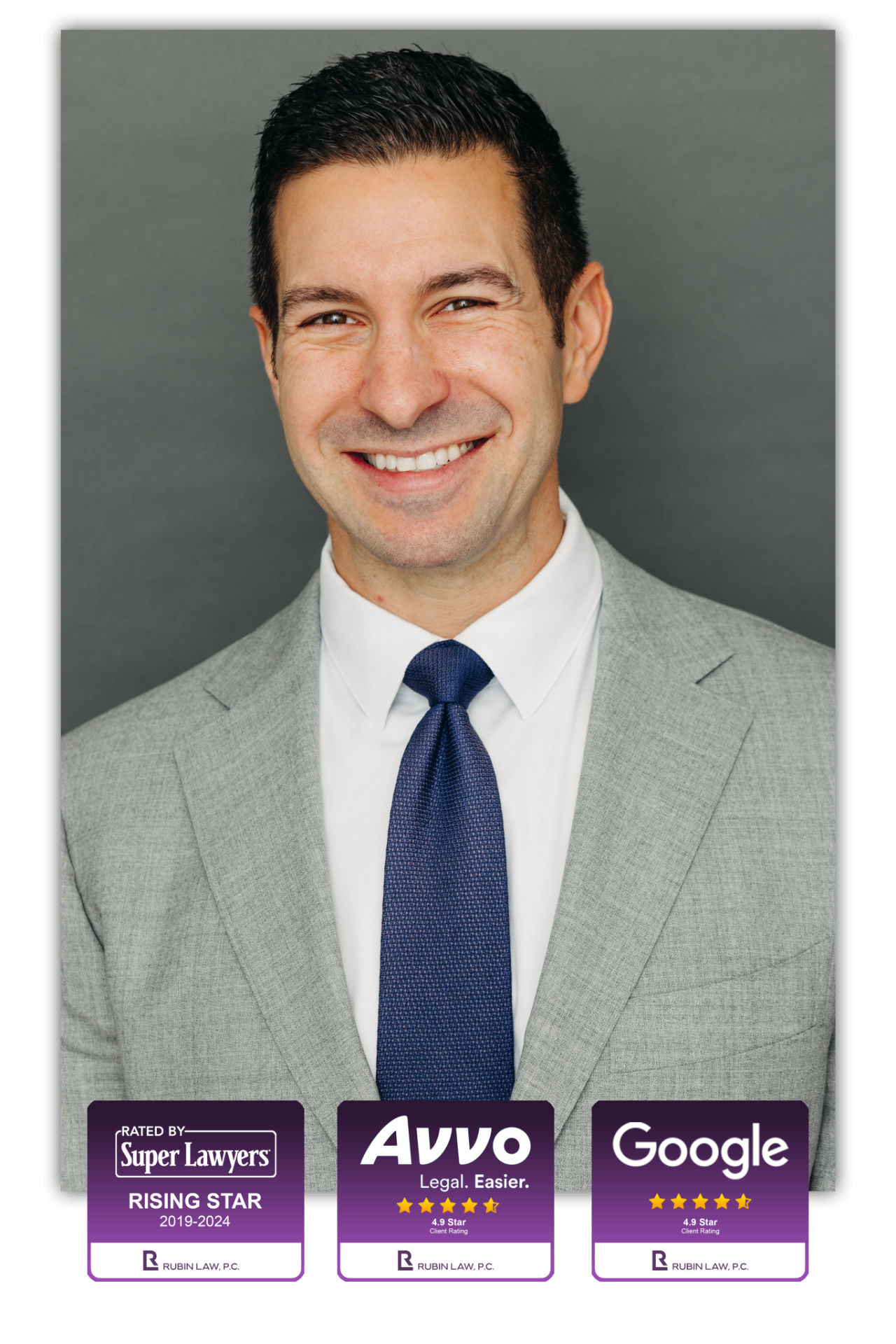
About the author
Daniel A. Rubin has defended thousands of clients across Los Angeles County against felony, misdemeanor, and federal charges — from DUI and drug crimes to violent felonies and white-collar prosecutions.
Call (213) 723-2337 for a Free ConsultationMore from Assault & Battery
The terms assault and battery are often used interchangeably, but under California law, they are two distinct criminal offenses with different legal definitions, elements, and penalties.…
Assault is a serious crime that involves violence or harm. It has many forms that the law recognizes. Knowing these types is important for both victims and those accused. The severity of assault…
Available 24/7 — Free Consultation
Your first call is free and confidential. We answer nights and weekends.