
Mental Health Defense · Los Angeles County
Mental Health & Criminal Defense in Los Angeles
California treats serious mental illness as a factor in criminal justice — not a weakness to hide. Rubin Law leverages Penal Code §1001.36 diversion, the Lanterman- Petris-Short Act, and Los Angeles mental health courts to pursue treatment over incarceration whenever the law allows.
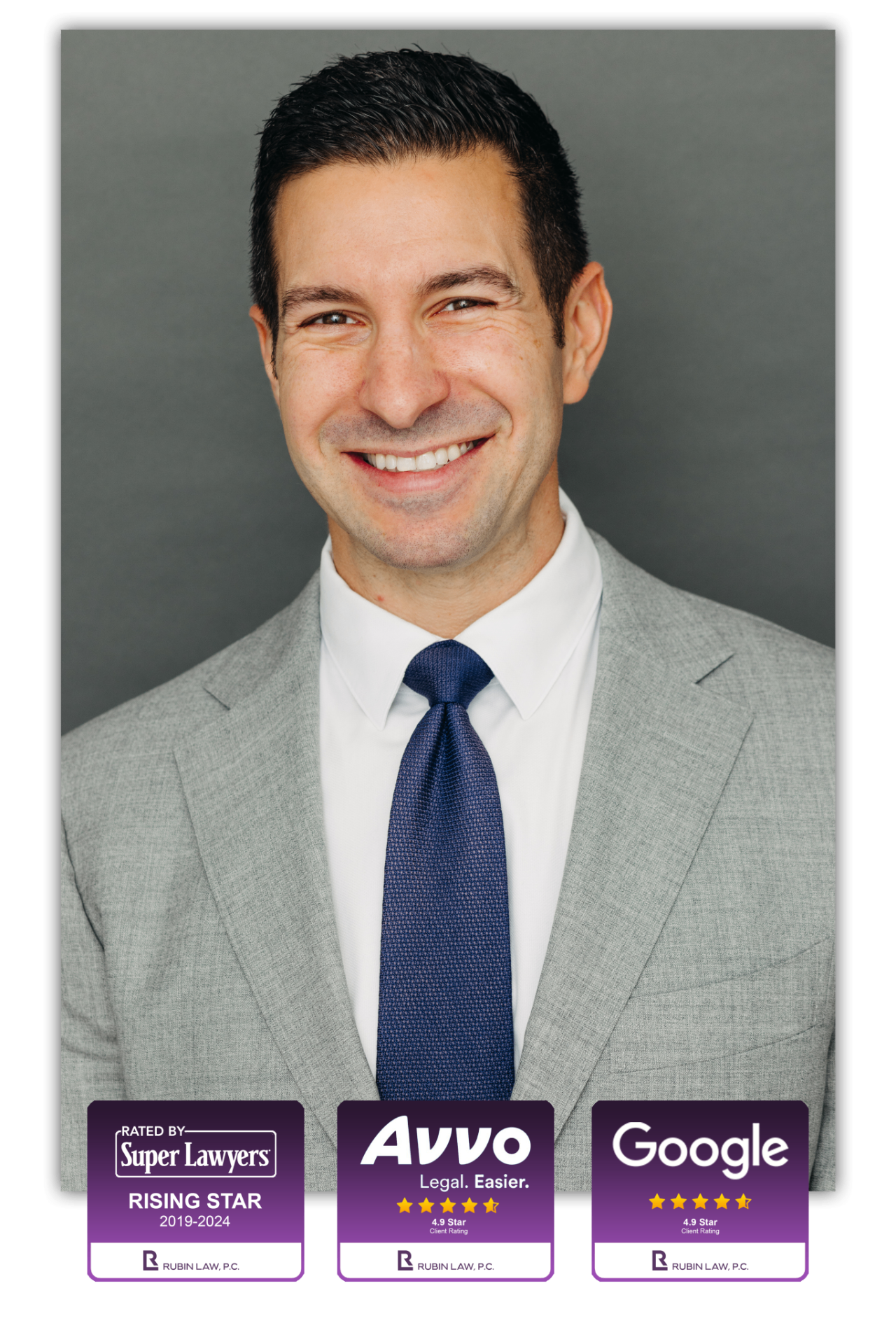
Daniel S. RubinMental Health Defense Attorney
Practice Areas
Mental Health Defense Practice
From pretrial diversion to state-hospital release, Rubin Law handles every stage of the intersection between mental health and criminal law.
Mental Health Diversion
PC §1001.36 — pretrial diversion with case dismissal for qualifying defendants.
Learn MoreMental Health Courts
LA County collaborative courts for treatment-based dispositions.
Learn More5250 Hearings
WIC §5250 — 14-day involuntary hold challenges and probable-cause hearings.
Learn More5150 vs 5250 Holds
Compare 72-hour and 14-day involuntary psychiatric holds and how families can challenge them.
Learn MoreRestoration of Sanity
PC §1026.2 — release from state hospital after NGI commitment.
Learn MoreTreatment Over Jail
AOT, PC §1370 competency, and treatment-based sentencing alternatives.
Learn MoreWhy Mental Health Defense Matters
Treatment, Not Just Punishment
California recognizes that many people in the criminal system have serious mental illness — schizophrenia, bipolar disorder, PTSD, major depressive disorder, and trauma-related conditions. Since 2018, Penal Code §1001.36 has permitted judges to order pretrial diversion into treatment for qualifying defendants, with full case dismissal upon successful completion.
Rubin Law works with forensic psychiatrists, treatment programs, and Los Angeles County mental health courts to build diversion petitions, LPS conservatorship defenses, and restoration-of-sanity petitions that protect both liberty and health.
PC §1001.36
What Is Mental Health Diversion in California?
Mental Health Diversion under Penal Code §1001.36 is a pretrial diversion program that lets qualifying defendants receive court-supervised mental health treatment instead of a criminal conviction. Enacted in 2018 and expanded by SB 215 (2022), the statute applies to most misdemeanor and felony charges — with narrow exceptions for murder, voluntary manslaughter, and specified sex offenses.
To qualify, a forensic mental health expert must diagnose the defendant with a qualifying DSM disorder — schizophrenia, bipolar disorder, PTSD, major depressive disorder, and similar conditions — and opine that the disorder was a significant factor in the charged offense. The defendant then agrees to a treatment plan, inpatient or outpatient, for up to two years. If treatment is completed successfully, the court dismisses the criminal charges entirely.
PC §1001.36 differs sharply from PC §1000 drug diversion. PC §1000 is limited to first-time nonviolent possession offenses under specific Health & Safety Code sections and lasts 12 to 18 months. PC §1001.36 covers a far broader range of offenses — including many felonies — and is driven by a psychiatric diagnosis rather than a drug charge. Both programs share the same ultimate reward: full dismissal on successful completion.
Diversion Programs
Mental Health Diversion Programs Available in Los Angeles
Mental Health Diversion (PC §1001.36)
Pretrial diversion into treatment with full case dismissal on successful completion.
Explore ProgramMental Health Courts
LA County collaborative courts for treatment-based dispositions and reduced sentences.
Explore Program5250 Hearings
Challenge 14-day involuntary psychiatric holds and probable-cause certifications.
Explore ProgramTreatment Over Jail
AOT, PC §1370 competency, and treatment-based sentencing alternatives to incarceration.
Explore ProgramPC §1001.36 Criteria
Who Qualifies for Mental Health Diversion?
The court must find all six of the following before granting diversion. Our job is to build the record — through expert evaluation, treatment planning, and briefing — that satisfies every one.
CRITERION 1
Qualifying Mental Disorder
The defendant suffers from a mental disorder identified in the most recent DSM — including schizophrenia, bipolar disorder, PTSD, and major depressive disorder. Antisocial personality disorder, borderline personality disorder, and pedophilia are excluded by statute.
CRITERION 2
Disorder Was a Significant Factor
A qualified mental health expert must opine that the mental disorder was a significant factor in the commission of the charged offense — not a mere coincidence, but a contributing cause of the criminal conduct.
CRITERION 3
Symptoms Would Respond to Treatment
The expert must find, to a reasonable medical certainty, that the defendant's symptoms motivating the criminal behavior would respond to mental health treatment.
CRITERION 4
Defendant Consents
The defendant must waive the right to a speedy trial (unless charges are for a misdemeanor) and consent to comply with the treatment plan as a condition of diversion.
CRITERION 5
Agrees to Treatment Program
The defendant must agree to comply with treatment as a condition of diversion — inpatient or outpatient, private or county-funded — for a period of up to two years.
CRITERION 6
Not an Unreasonable Risk of Danger
The court must find that the defendant will not pose an unreasonable risk of danger to public safety, as defined in PC §1170.18 (essentially, a super-strike offense risk) if treated in the community.
Statutory Exclusions
Disqualifying Offenses
- • Murder or voluntary manslaughter (PC §187 / PC §192(a))
- • Offenses requiring lifetime sex offender registration under PC §290
- • Rape (PC §261), sodomy (PC §286), lewd act on a minor (PC §288), and continuous sexual abuse of a child (PC §288.5)
- • Assault with intent to commit certain sex offenses (PC §220)
- • Commission of an offense while armed with a firearm (specified enhancements)
Step by Step
How Mental Health Defense Works in Los Angeles Courts
1. Arrest and Filing
Client is arrested; DA files the criminal complaint. Bail and custody status are addressed at the first appearance.
2. Forensic Mental Health Evaluation
We retain a qualified forensic psychiatrist or psychologist to evaluate the client under the PC §1001.36 criteria and produce a written report.
3. PC §1001.36 Motion
Defense files a written motion for mental health diversion supported by the expert report, medical records, treatment plan, and community-support letters.
4. Court Hearing and Approval
The court holds a hearing, the prosecution responds, and the judge decides whether the six statutory criteria are satisfied and whether to grant diversion.
5. Treatment Program Enrollment
The client enters the approved inpatient or outpatient program — typically a combination of psychiatric medication management, therapy, and case management.
6. Compliance Reviews
The court holds periodic status hearings — usually every 60 to 90 days — with progress reports from the treatment provider and probation.
7. Dismissal
On successful completion (up to two years), the court dismisses the charges. The arrest is deemed never to have occurred for almost every civil purpose.
Related Codes
Related California Codes for Mental Health Defense
Frequently Asked Questions — Mental Health Defense in Los Angeles
What mental health conditions qualify for diversion?
PC §1001.36 covers most disorders in the current DSM — including schizophrenia, schizoaffective disorder, bipolar I and II, major depressive disorder, generalized anxiety disorder, PTSD, and complex trauma. The statute expressly excludes antisocial personality disorder, borderline personality disorder, and pedophilia. A qualified forensic expert must diagnose the disorder and opine that it was a significant factor in the offense.
Can mental health diversion get my case dismissed?
Yes. That is the entire point of PC §1001.36. Once the court grants diversion and the client successfully completes treatment (up to two years), the criminal charges are dismissed and the arrest is deemed not to have occurred for essentially all civil purposes — including employment and housing background checks. The client can legally answer 'no' when asked about the arrest on most applications.
What is the difference between PC 1001.36 and PC 1000?
PC §1000 is drug diversion — a much older, narrower program limited to first-time, nonviolent possession offenses under specific Health & Safety Code sections. PC §1001.36 is mental health diversion — broader in eligible offenses (including many felonies), longer in duration (up to two years), and driven by a psychiatric diagnosis rather than a drug charge. The two programs can overlap for defendants with co-occurring substance use and mental health disorders.
What is a 5150 hold in California?
A WIC §5150 hold is a 72-hour involuntary psychiatric detention authorized when a peace officer or designated clinician has probable cause to believe a person is a danger to themselves, a danger to others, or gravely disabled as a result of a mental disorder. The person is transported to a designated facility for evaluation. At the end of 72 hours the facility must release the person, obtain voluntary consent to further treatment, or certify the person for an additional 14 days under WIC §5250.
Does mental health diversion work for felonies?
Yes. PC §1001.36 is available for most felony charges, including many serious offenses — with the express exclusion of murder, voluntary manslaughter, lifetime sex-registerable offenses, and offenses committed while armed with a specified firearm enhancement. Many clients successfully divert felony assault, weapons possession, and property offenses where the mental disorder was a significant factor in the conduct.
How long does mental health diversion take in LA?
The treatment period itself is capped at two years by statute — one year for misdemeanors, two years for felonies. The pretrial process to secure diversion typically takes two to four months from arrest — enough time to complete the forensic evaluation, file the PC §1001.36 motion, and hold the diversion hearing. After the court grants diversion, the client remains in treatment with periodic status hearings until dismissal.
Related Practice