
WIC §5250 · Involuntary Hold Defense
Los Angeles 5250 Hearing Attorney
You Have a Right to a Hearing Within 7 Days
Certification review. Riese hearings. LPS conservatorship defense.
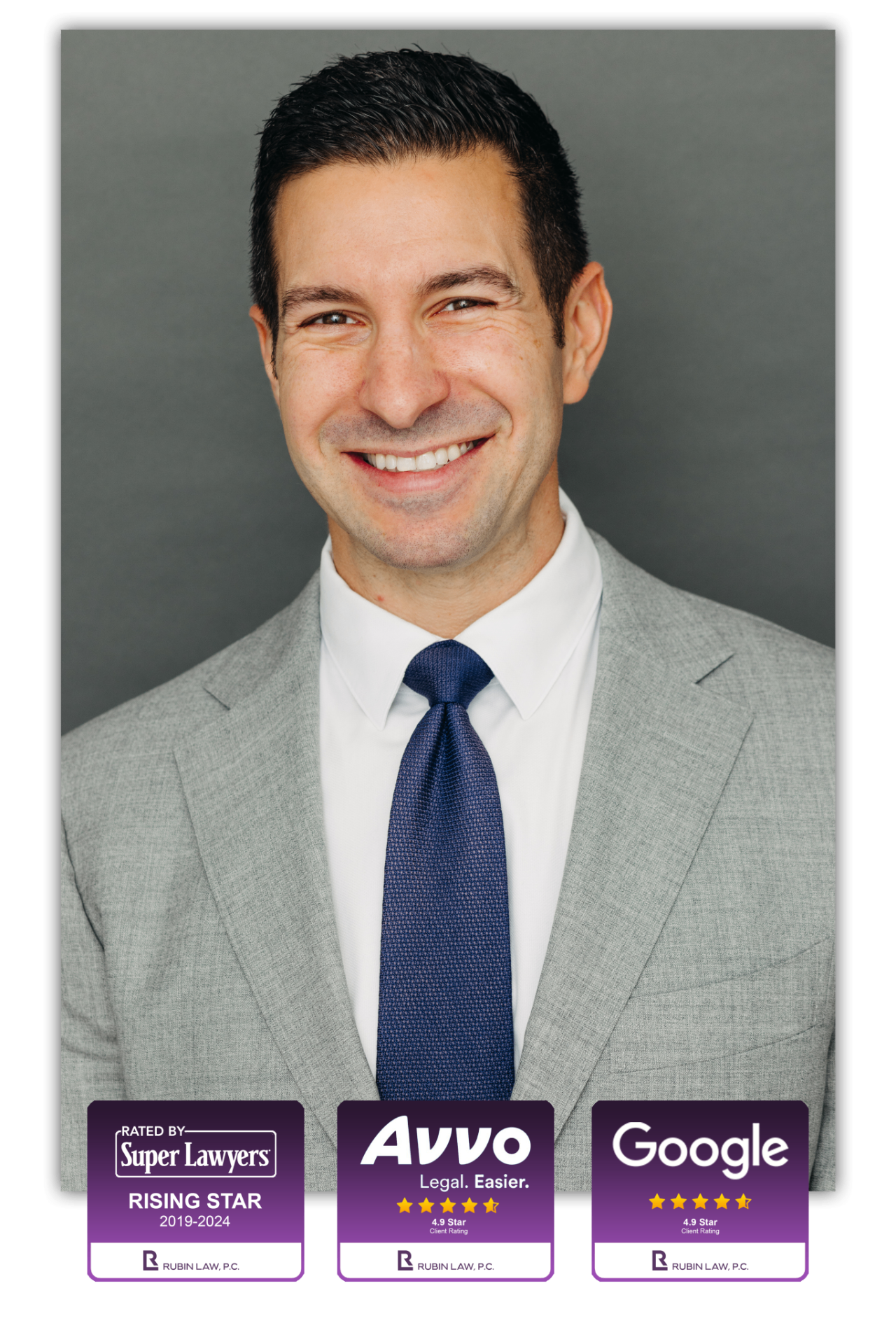
Daniel S. RubinLPS & Involuntary-Hold Attorney
01 — Quick Facts
WIC §5250 Hearings — At a Glance
02 — The LPS Framework
How Involuntary Holds Escalate
The Lanterman-Petris-Short Act sets four escalating hold periods:
- WIC §5150 — 72-hour initial hold for evaluation;
- WIC §5250 — 14-day intensive-treatment certification;
- WIC §5260 — additional 14 days for suicidal patients;
- WIC §5270.15 — 30-day continued hold, or LPS conservatorship under §5350.
Each escalation triggers separate legal rights — including the certification review hearing at 5250, judicial review under §5275, and full evidentiary hearings for conservatorship. Rubin Law can be involved at any stage.
03 — 5250 Criteria
What the Hospital Must Prove
Danger to Self
Present, articulable risk of self-harm. Vague suicidal ideation without plan or means is often insufficient.
Danger to Others
Recent overt act, attempt, or credible threat of violence toward an identifiable target.
Gravely Disabled
Unable — as a result of a mental disorder — to provide for food, clothing, or shelter. Poverty alone does not qualify.
04 — The Hearing Process
How a Certification Review Hearing Works
- 01
Certification
Facility completes the notice of certification within 72 hours of the initial §5150 hold.
- 02
Hearing Scheduled
CRH must be held within 4 court days. Rubin Law appears in the facility (or via video) prepared to challenge every element.
- 03
Hospital's Case
Treating psychiatrist testifies on diagnosis, dangerousness, and grave disability. Records reviewed.
- 04
Cross-Examination
We cross the treating clinician on inconsistent history, prior stabilizations, presence of family support, and least-restrictive-alternative options.
- 05
Patient Testimony
If beneficial, the patient testifies about their treatment plan, medication willingness, and support system.
- 06
Decision
Hearing officer decides on the papers and evidence. Release ordered if probable cause is not established.
05 — Riese & Med-Compel
Right to Refuse Antipsychotic Medication
Under Riese v. St. Mary's Hospital & Medical Center (1987) 209 Cal. App.3d 1303, involuntary patients cannot be forcibly medicated with antipsychotics without a separate Riese hearing. The hospital must prove the patient lacks capacity to consent to treatment — a distinct question from dangerousness.
Rubin Law demands the Riese hearing whenever medication is proposed, cross- examines the psychiatrist on capacity determinations, and — where appropriate — secures a right-to-refuse order pending review.
06 — LPS Conservatorship
When the State Seeks Long-Term Control
LPS conservatorship under WIC §5350 (opens in new tab) is the state's tool for long-term (1-year, renewable) involuntary treatment of gravely disabled adults. Rubin Law demands jury trials in contested LPS matters, challenges the "gravely disabled" element, and pursues less-restrictive alternatives — supported housing, ACT teams, or family-based conservatorship — that preserve autonomy while providing treatment.
Under SB 43 (effective January 2024), the definition of "gravely disabled" was expanded to include severe substance-use disorder. That change reshaped LPS practice statewide and requires updated defense strategies.
07 — FAQs
5250 Hearings Questions — Los Angeles
How quickly can I get a 5250 hearing?
By law, the certification review hearing (CRH) must be held within 4 court days of the notice of certification. Rubin Law can request an earlier hearing, appear on the calendared date, or seek judicial review under WIC §5275 for expedited relief.
Who conducts the hearing?
A neutral hearing officer — often an attorney or retired judicial officer — appointed by the county. The proceeding is administrative, not judicial, though patients have full rights to counsel, cross-examination, and record review.
Can I hire a private attorney for a 5250 hearing?
Yes. County patients' rights advocates handle many CRHs, but you have an absolute right to retained counsel. Private counsel typically has more time per case and can subpoena additional witnesses, obtain independent psychiatric review, and prepare more thoroughly than the advocate model allows.
Can they force me to take medication during a 5250 hold?
Only after a separate Riese hearing establishes you lack capacity to consent to treatment. In emergencies (imminent danger during acute episode), medication can be administered under §5008(h) with strict documentation. Rubin Law challenges both routine and emergency medication decisions.
What if the hearing officer rules against me?
You can seek judicial review under WIC §5275 (writ of habeas corpus) in Superior Court. The court reviews the record and can order release if probable cause is not established. Rubin Law files these writs on an expedited basis when the CRH ruling is legally deficient.
What happens after 14 days?
The hospital can pursue an additional §5260 hold (for suicidality) or petition for LPS conservatorship under §5350. Each requires separate legal proceedings, evidentiary standards, and rights to counsel and jury trial. Discharge planning should begin the moment the 5250 is imposed.
Does a 5250 hold appear on my record?
It is not a criminal record, but it can affect firearm eligibility (5-year prohibition under WIC §8103), certain professional licensing, and background checks in specific contexts. It is not disclosed to most private employers. Rubin Law advises on gun-rights restoration under §8103(f) and license-notification obligations.
Can family members intervene?
Family members can testify, provide records, and support a discharge plan — but do not have separate legal standing to demand release. Their support meaningfully strengthens the CRH position by showing a viable community-supervision alternative to continued hospitalization.
Explore More