
Felony Defense · Los Angeles County
Los Angeles Felony Attorney
Facing Felony Charges?
Preliminary hearings. §17(b) reductions. Jury trials.
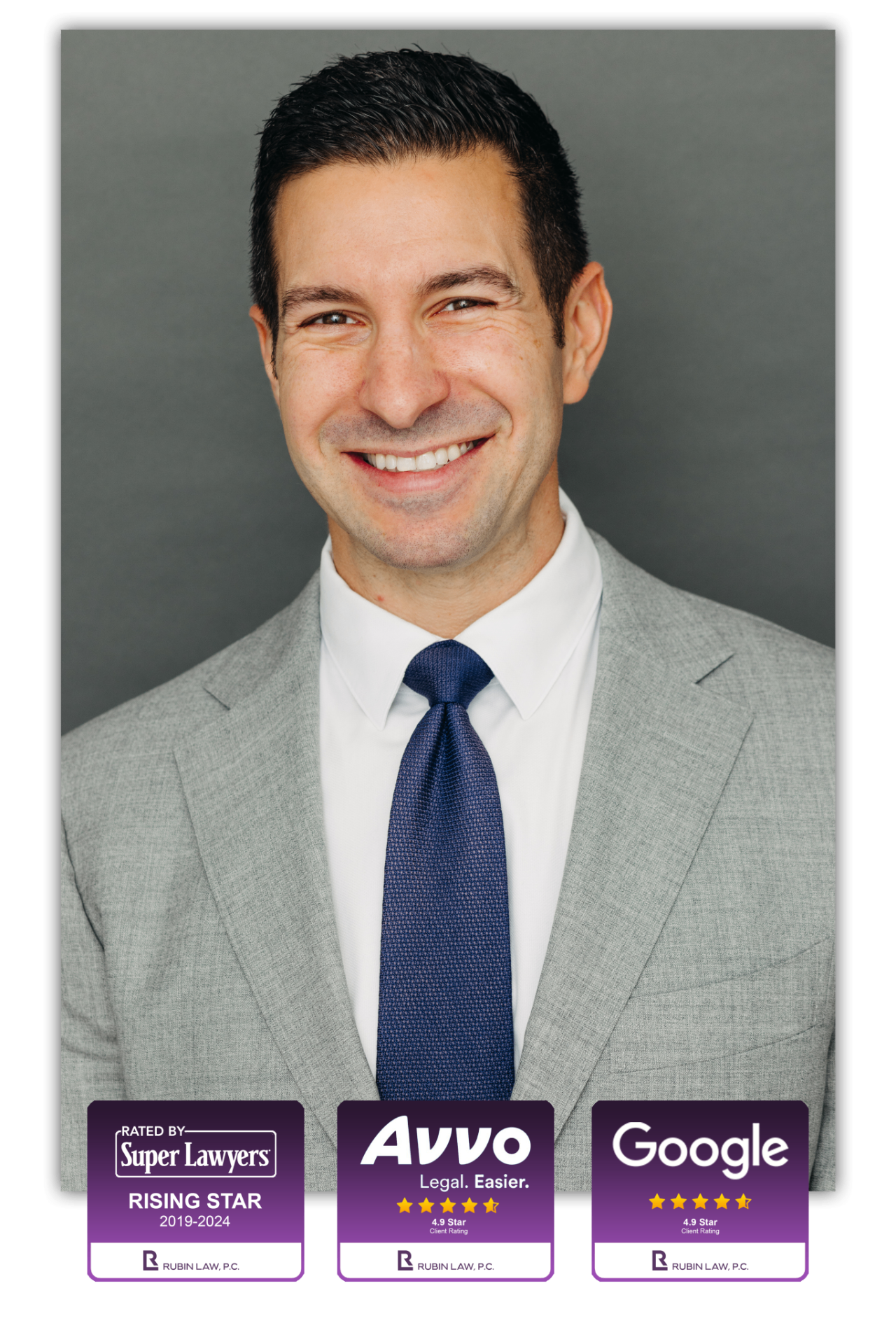
Daniel S. RubinFelony Defense Attorney
01 — Quick Facts
California Felonies — At a Glance
02 — The Law
How California Classifies Felonies
Under PC §17 (opens in new tab), a felony is any crime punishable by state prison. Since 2011, "realignment" under PC §1170(h) sends non-serious, non-violent felonies to county jail rather than state prison — but the felony conviction remains.
Felonies split into three overlapping categories: strike felonies, serious felonies, and violent felonies. A single conviction can be all three. Strike felonies trigger Three Strikes enhancements; the 85% conduct-credit rule under PC §2933.1 applies to violent felonies.
03 — Penalties
California Felony Sentencing — What You Are Facing
| Sentence Type | Statute | Range | Strike Impact | Probation Available? | Where Served |
|---|---|---|---|---|---|
| Determinate Triad | PC §1170(b) | Low / mid / high (e.g. 2/3/4 yrs) | Doubles on 2nd strike | Sometimes | Prison or §1170(h) county |
| Indeterminate Life | PC §187, §667.61 | 15/25/life to life | Strike | No | State prison |
| Three Strikes (2nd) | PC §667(e)(1) | Base doubled | Yes | No | State prison |
| Three Strikes (3rd) | PC §667(e)(2) | 25 years to life | Yes | No | State prison |
| County Jail Felony | PC §1170(h) | Same triad, county jail | Not a strike | Yes (split sentence) | County jail |
| GBI Enhancement | PC §12022.7 | +3 to 6 yrs | Adds strike | No | Consecutive |
| Firearm Use | PC §12022.53 | +10 / 20 / 25-to-life | Adds strike | No | Consecutive |
| Prior Serious Felony | PC §667(a) | +5 yrs per prior | — | No | Consecutive |
Wobblers under PC §17(b) can be reduced to misdemeanors at prelim, sentencing, or post-conviction — eliminating the strike, restoring firearm rights on completion, and unlocking full expungement under PC §1203.4.
Additional Consequences Beyond the Courtroom
- Lifetime state and federal firearm ban on any felony (18 U.S.C. §922(g)(1))
- Strike prior — doubles the sentence on any future felony
- 85% conduct-credit rule on violent felonies (PC §2933.1)
- Immigration: aggravated felony status for many California felonies
- Loss of voting rights while in state prison (restored on release)
- Professional-license discipline (bar, medical, real estate, contractor)
- Employment background check exposure — visible for life without relief
- Ineligible for many diversion, probation, and early-release programs
04 — Felony Process
How a Felony Case Moves Through Court
1
Arrest & Booking
Custody with PC §825 48-hour filing rule. Bail addressed at first appearance.
2
Arraignment
Formal charges read. Not-guilty plea entered. Bail and OR release argued.
3
Preliminary Hearing
PC §872 — DA must show probable cause. Defense cross-examines the People's evidence under oath.
4
Information & Arraignment on Info
If held to answer, charges formally filed in Superior Court.
5
Motions
PC §995 dismissal, §1538.5 suppression, Pitchess, and §17(b) reduction motions litigated.
6
Plea or Trial
Negotiated plea or jury trial (12 jurors, unanimous, beyond reasonable doubt).
7
Sentencing
PSR prepared. Aggravating/mitigating factors argued. Enhancement litigation continues.
05 — LA Defense Timeline
Felony Defense Process in Los Angeles — Arrest to Sentencing
Hours 0–48 — Custody & the PC §825 Clock. Under PC §825 (opens in new tab) the People must file within 48 court hours (excluding weekends and holidays) or release. This is the highest-leverage window in a felony case: pre-filing counsel can push the LADA filing deputy toward a prefile rejection or reduction before charges hit the docket. Bail review under Humphrey (2021) is teed up in this window.
Days 2–14 — Arraignment. Formal charges are read, plea entered, OR/bail argued, and any protective orders imposed. Arraignment posture drives every negotiation that follows — see the California arraignment guide for the courtroom mechanics. On felony filings, discovery under PC §1054 begins, and defense investigation locks in early.
Days 10–60 — Preliminary Hearing. PC §872 (opens in new tab) requires the People to show probable cause. Prelim is where cases collapse: cross-examination under oath exposes weak identifications, defective search predicates, and unsupported enhancement allegations. See the preliminary hearing playbook. Wobbler §17(b) (opens in new tab) reductions are frequently granted at the conclusion of prelim.
Days 60–120 — Information & Motions. If held to answer, the People file an Information in Superior Court. Defense motions — PC §995 to set aside, PC §1538.5 to suppress, Pitchess for officer records, and Romero motions to strike strike priors — are litigated. Enhancement litigation begins here. Three Strikes exposure is often the single biggest sentencing variable.
Days 90–365+ — Trial or Negotiated Disposition. Under PC §1382 the People must bring a felony to trial within 60 days of arraignment on the Information (waivable). Trial-ready posture drives materially better plea offers; when trial is the right call, jury selection begins with a 12-person panel and unanimous verdict requirement.
Sentencing & Post-Conviction. The probation department prepares a PSR under PC §1203.10. Aggravating and mitigating factors are litigated under PC §1170(b). Wobbler reductions to misdemeanor under §17(b) and early termination of probation remain available years after sentencing.
06 — Possible Outcomes
Possible Outcomes in a Felony Case
Case Dismissed or Not Filed
The best possible outcome — no conviction, no record.
- PC §995 dismissal after preliminary hearing
- Suppression under PC §1538.5 gutting the People's case
- Prefile intervention leading to DA rejection
Reduced to Misdemeanor
- Wobbler felony reduced under PC §17(b) at prelim or sentencing
- Strike allegations stricken via Romero
- Enhancements dismissed under PC §1385
Minimized Sentence
If a conviction cannot be avoided, we fight for the lowest possible exposure.
- Probation with mitigation package instead of state prison
- Split-sentencing and mandatory-supervision terms
- Concurrent instead of consecutive sentencing
Diversion Programs
- Mental-health diversion under PC §1001.36
- Military diversion under PC §1001.80
- Drug diversion under PC §1000 and Prop 36 for eligible felonies
07 — Defense Strategies
How We Fight Felony Cases
Preliminary Hearing
Prelim is a discovery event and a substantive filter.
- We cross the People's witnesses under oath and preserve testimony for trial.
§17(b) Reduction
Wobbler felonies reduced to misdemeanors at prelim or sentencing — eliminating strike, firearm, and immigration exposure.
PC §995 Dismissal
Motion to set aside the information when the People's evidence at prelim did not support the holding.
Suppression
Fourth Amendment litigation.
- Suppressed evidence often produces dismissal or dramatic plea leverage.
Romero Motion
Judicial dismissal of strike priors in furtherance of justice — the difference between doubled and single-term sentences.
Trial Team
Jury trial with an experienced defense team drives the best negotiated outcomes.
- The People measure exposure by defense trial credibility.
08 — Collateral Consequences
Beyond Prison
- Lifetime firearm ban under state and federal law
- Strike prior for life on strike felonies
- Immigration: aggravated felony consequences
- Loss of voting rights during incarceration
- Ineligibility for many professional licenses
- Bar to housing, employment, and financial services
- Public-office and jury-service ineligibility (some offenses)
- Restitution obligations enforceable indefinitely
09 — FAQs
Felony Defense Questions — Los Angeles
What is the difference between a felony and misdemeanor?
A felony is punishable by state prison (or county jail under PC §1170(h) realignment) and carries firearm, immigration, and licensing consequences. A misdemeanor is punishable by up to 6 months (base) or 1 year (aggravated) county jail. Wobblers can be either.
Can a felony be reduced to a misdemeanor?
Yes — if the offense is a wobbler under PC §17(b). Reduction is available at prelim, sentencing, or post-conviction. Straight felonies (murder, robbery, carjacking) are not wobblers and cannot be reduced.
What is a preliminary hearing?
A pre-trial hearing under PC §872 where the People must present enough evidence to establish probable cause. Prelim is both a filter (dismissal for insufficient evidence) and a discovery event (cross-examination of the People's witnesses under oath).
Can I get probation on a felony?
Sometimes. Probation is unavailable on many strike and enhanced felonies. When available, formal probation typically runs 2–5 years with supervised terms. Effective mitigation and Romero-style advocacy is often required to unlock probation eligibility.
What is realignment under PC §1170(h)?
Realignment (AB 109, effective 2011) sends non-serious, non-violent, non-sex-offense felonies to county jail with mandatory supervision rather than state prison. It applies to a wide range of eligible felonies and can significantly change confinement conditions.
How long does a felony case take?
Simple felonies: 6–12 months. Strike, GBI, or firearm-enhanced felonies: 12–24 months. Complex homicides and federal cases: 18–36+ months. Trial-ready posture accelerates negotiations and drives better outcomes.
Can I clear a felony from my record?
Probation-eligible felonies are typically expungeable under PC §1203.4 after successful probation. State-prison felonies require a Certificate of Rehabilitation under PC §4852.01 followed by petition for Governor's Pardon.
Will a felony conviction affect my immigration status?
Almost certainly. Most felonies constitute crimes of moral turpitude or aggravated felonies under federal immigration law — triggering removability, inadmissibility, and bars to relief. Non-citizen defendants must have counsel who accounts for immigration exposure at every stage.
California Law Guides
Related California Laws — Felony Defense
Deep-dive statute explainers from our Laws Hub — how each charge is filed, defended, and sentenced in California courts.
Felony vs Misdemeanor California
The distinction between a felony and a misdemeanor in California affects sentencing, gun rights, voting rights, professional licenses, immigration status, and more.
Read the Full GuideTheft Laws California
California theft laws range from petty theft infractions to grand theft felonies.
Read the Full GuideBurglary California
Burglary in California is entering a structure with intent to commit a crime inside.
Read the Full GuideRobbery California
Robbery is theft by force or fear from another person.
Read the Full GuideCalifornia Three Strikes Law
California's Three Strikes law doubles sentences for second strike felonies and mandates 25 years to life for third strikes.
Read the Full GuideSentencing in California
California uses determinate sentencing for most felonies with three possible terms: low, mid, and upper.
Read the Full Guide