
Record Clearing · Los Angeles County
Los Angeles Expungement Attorney
Ready to Clear Your Record?
PC §1203.4 dismissals. §17(b) reductions. Certificates of Rehabilitation.
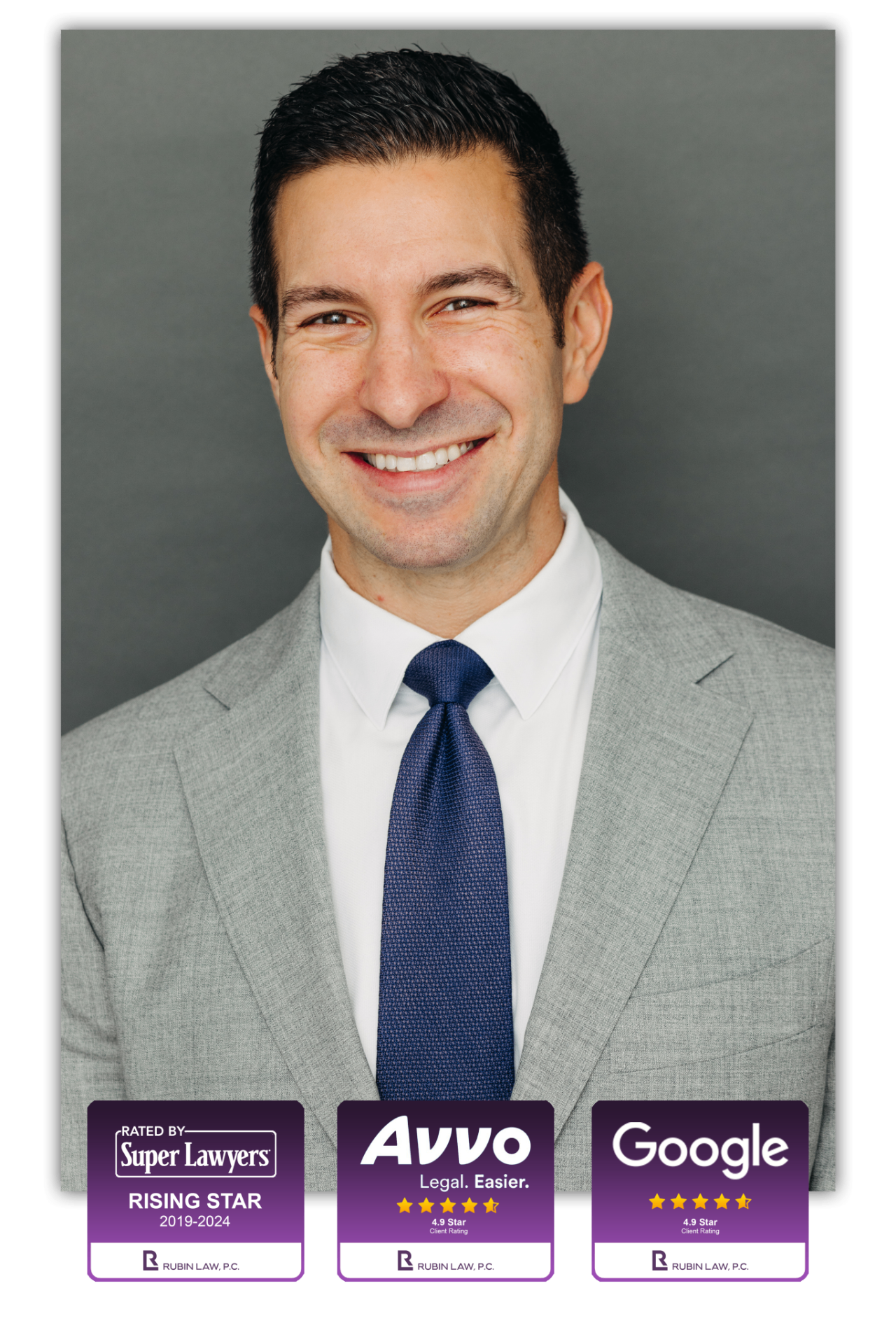
Daniel S. RubinExpungement & Record-Clearing Attorney
01 — Quick Facts
California Expungement — At a Glance
02 — How Expungement Works
What PC §1203.4 Actually Does
California expungement is not a true record deletion. It is a statutory remedy under PC §1203.4 (opens in new tab) that withdraws the guilty or no-contest plea (or sets aside the verdict), enters a not-guilty plea, and dismisses the case. The record still exists — but is legally treated as a dismissal.
For most private employers, an expunged conviction cannot be considered and does not need to be disclosed under Labor Code §432.7 and the California Fair Chance Act. Licensing agencies, law enforcement employers, and applications requiring public-office disclosure retain access.
03 — Eligibility
Who Qualifies for Expungement
Probation Completed
Successful completion of probation, or early termination under PC §1203.3, qualifies you to petition immediately.
No Probation Imposed
Under PC §1203.4a, misdemeanor cases without probation qualify after 1 year with no new convictions.
Post-AB 1076 Auto-Relief
Effective 2023, many probation and infraction cases receive automatic relief without a petition — but a formal order is still valuable.
Not on Probation Now
You must not be currently serving a sentence, on probation, or charged with a new offense at the time of filing.
State-Prison Convictions
Not eligible for §1203.4. Prison-imposed felonies need a Certificate of Rehabilitation or Governor's Pardon.
Excluded Offenses
Certain sex offenses (PC §288), specific VC offenses, and death-eligible offenses are excluded from §1203.4 relief.
04 — Types of Relief
Record-Clearing Options Available
PC §1203.4 Expungement
Probation Case
Standard misdemeanor and probation-eligible felony relief.
PC §1203.4a
No-Probation Case
Misdemeanor without probation, 1+ year post-sentence.
PC §17(b) Reduction
Wobbler Felony
Retroactively reduce a felony wobbler to misdemeanor before or with expungement.
Certificate of Rehabilitation
Post-prison relief; recommends Governor's Pardon after 7–10 year waiting period.
Learn moreGovernor's Pardon
Executive clemency restoring civil rights, including firearm rights in some cases.
Learn moreProp 47 / 64 / AB 1793
Retroactive
Reduce or dismiss eligible drug and cannabis convictions retroactively.
05 — Process & Timeline
How Expungement Cases Move
1
Eligibility Review
We pull the docket, disposition minutes, and probation record to confirm §1203.4 qualification.
2
Draft Petition
Formal petition, points and authorities, and supporting declaration of rehabilitation.
3
§17(b) Reduction (if applicable)
For wobbler felonies, we file the reduction motion first — often granted simultaneously with expungement.
4
DA Response
The People have 15 court days to respond. Uncontested cases typically resolve on the papers.
5
Hearing (if set)
Contested matters require appearance; most §1203.4 petitions resolve without a hearing.
6
Court Order
Judge signs the §1203.4 order. Case is dismissed by operation of law.
7
Post-Order Follow-Up
DOJ and FBI record updates; employment- and licensing-notice packages.
06 — Possible Outcomes
Possible Outcomes in a Expungement Case
Case Dismissed or Not Filed
The best possible outcome — no conviction, no record.
- Petition granted under PC §1203.4 — case dismissed by operation of law
- Arrest sealed under PC §851.91 where no conviction resulted
- Factual-innocence finding under PC §851.8 in wrongful-arrest cases
Felony Reduction & Redesignation
- Wobbler felony reduced to misdemeanor under PC §17(b)
- Prop 47 redesignation of eligible drug and theft priors
- Prop 64 dismissal or redesignation of cannabis convictions
Minimized Sentence
If a conviction cannot be avoided, we fight for the lowest possible exposure.
- Early termination of probation to accelerate §1203.4 eligibility
- Modification of probation conditions before petitioning
- Fee and fine waivers based on inability to pay
Rehabilitation & Restoration
- Certificate of Rehabilitation under PC §4852.01
- Governor's Pardon application preparation
- Firearm-rights restoration where legally available
07 — What It Does Not Do
Limits of California Expungement
- Does not delete the record — it dismisses the case
- Does not remove immigration consequences (federal purposes)
- Does not restore firearm rights on felony convictions
- Does not seal law-enforcement or court records
- Does not eliminate sex-offender registration duties
- Does not prevent use as a prior in future prosecutions
- Does not bar licensing agencies from considering it
- Does not remove the case from DMV records for driving cases
08 — FAQs
Expungement Questions — Los Angeles
What does expungement actually do?
PC §1203.4 withdraws your guilty or no-contest plea, enters a not-guilty plea, and dismisses the case. The record still exists but is legally treated as a dismissal — most private employers cannot consider it and it does not need to be disclosed under the California Fair Chance Act.
Am I eligible for expungement?
You are eligible under PC §1203.4 if you were placed on probation, successfully completed it, are not currently charged with a new offense, are not on probation for another case, and were not sentenced to state prison. Certain excluded offenses (some sex crimes, specific VC offenses) do not qualify.
Do I need a lawyer to expunge my record?
No — but eligibility, §17(b) reduction analysis, and proper supporting declaration meaningfully affect outcomes, especially for older convictions, contested matters, or wobbler felonies where the strategy is layered.
How long does expungement take?
60–120 days from filing in most Los Angeles courts. Contested matters, cases requiring DA response, or petitions combined with §17(b) reduction motions may take longer.
Will an expungement restore my gun rights?
No. PC §1203.4 does not restore firearm rights on felony convictions. Restoration requires §17(b) reduction of a wobbler felony to a misdemeanor, a Certificate of Rehabilitation, or a Governor's Pardon.
Does expungement help with immigration?
Generally no. Federal immigration law does not recognize state expungement as vacating a conviction. Non-citizens with immigration exposure should pursue post-conviction relief under PC §1473.7 (legal invalidity due to failure to advise) rather than or in addition to §1203.4.
What is AB 1076 / SB 731 automatic relief?
Effective 2023, California automatically clears many arrest and conviction records without a petition. The automatic mechanism has limits — a formal PC §1203.4 order remains valuable because it produces a court order you can attach to employment or licensing applications.
Can I expunge a felony conviction?
Probation-eligible felonies (including reduced wobblers under §17(b)) are eligible for §1203.4 relief. State-prison felonies are not — they require a Certificate of Rehabilitation under PC §4852.01 after a 7–10 year waiting period, followed by petition for Governor's Pardon.