
Violent Crimes Defense · Los Angeles County
Los Angeles Violent Crimes Attorney
Charged with a Strike Offense?
Strike defense. Prison exposure. Same-day response.
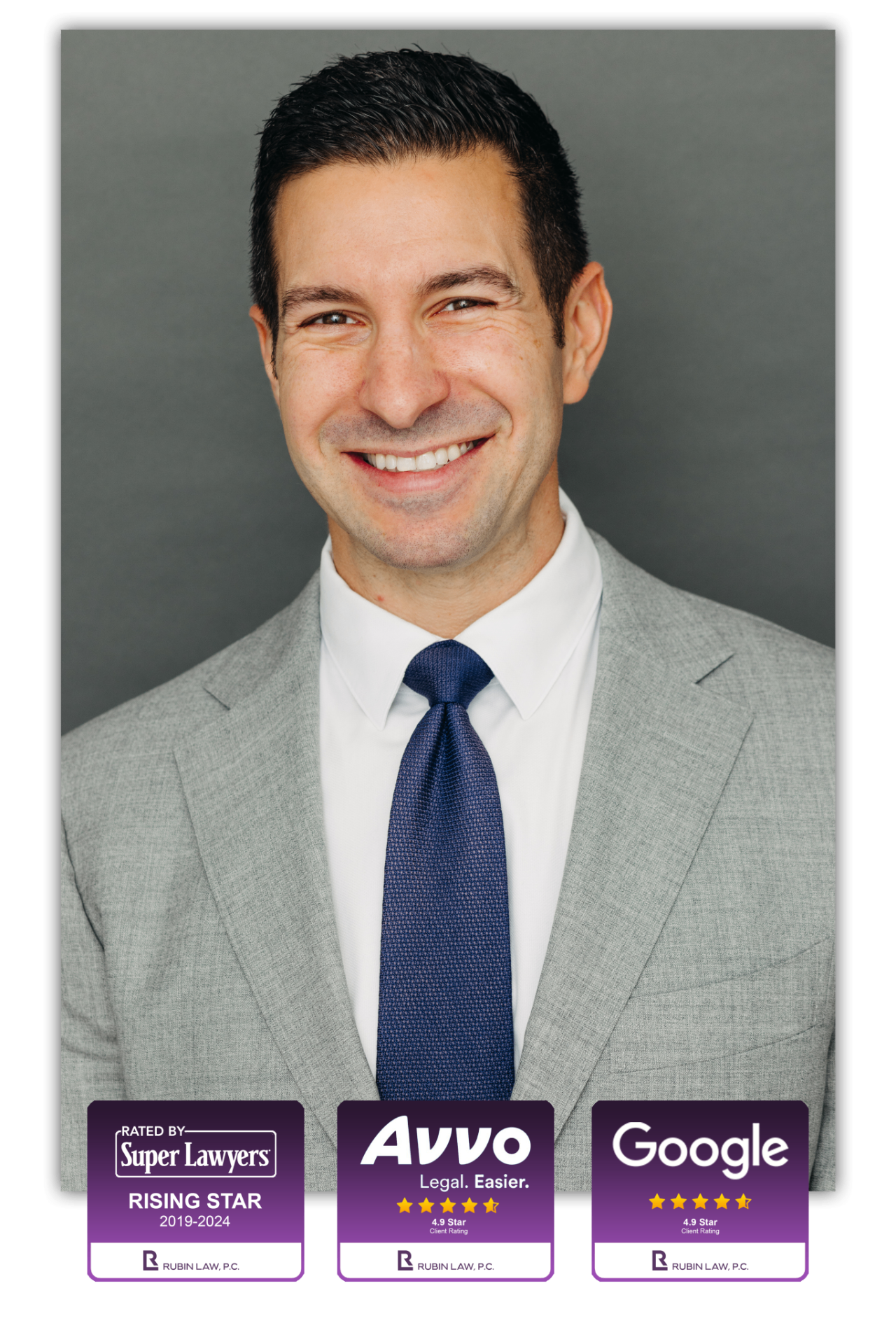
Daniel S. RubinViolent Crimes Attorney
01 — Quick Facts
Violent Crimes in California — At a Glance
02 — California Law
What California Considers a Violent Crime
California defines violent felonies in Penal Code §667.5(c) (opens in new tab) and serious felonies in Penal Code §1192.7(c) (opens in new tab). These two lists drive the Three Strikes Law, the 85% parole rule, and most sentence-enhancement statutes.
The distinction matters. An assault charged as a misdemeanor under PC §240 has none of these consequences. The same conduct charged as assault with a deadly weapon under PC §245(a)(1) becomes a strike, exposes you to state prison, and triggers a lifetime firearm ban. How the charge is filed — and whether we can get it reduced — is the first fight in every violent-crime case.
03 — Penalties
Violent Crime Penalties in California — What You Are Facing
| Category | Statute | Range | Strike? | 85% Rule? | Consecutive |
|---|---|---|---|---|---|
| Serious Felony List | PC §1192.7(c) | — | Yes | Depends | — |
| Violent Felony List | PC §667.5(c) | — | Yes | Yes | — |
| ADW (§245) | PC §245 | 2, 3, or 4 yrs (felony) | Yes | No | — |
| Robbery | PC §211 | 2, 3, or 5 yrs (2nd deg); 3/4/6 (1st) | Yes | Yes | — |
| Firearm Use | PC §12022.53 | +10 / 20 / 25-to-life | Adds strike | Yes | Consecutive |
| GBI Enhancement | PC §12022.7 | +3 to 6 yrs | Adds strike | Yes | Consecutive |
| Gang Enhancement | PC §186.22 | +2 to 10 yrs or life | — | Yes | Consecutive |
| Prior Serious Felony | PC §667(a) | +5 yrs per prior | — | — | Consecutive |
A single count of robbery with personal firearm discharge (§12022.53(c)) starts at 22 years — the 2-year midterm plus 20 years for the discharge — before any GBI, gang, or prior-strike enhancement.
Additional Consequences Beyond the Courtroom
- Lifetime state and federal firearm ban (18 U.S.C. §922(g)(1))
- Strike prior — doubles the sentence on any future felony
- 85% conduct-credit rule on violent felonies (PC §2933.1)
- Immigration: aggravated felony status for non-citizens
- Ineligible for most diversion and early-release programs
- Franklin hearings preserve mitigation for future parole
- Youth Offender Parole for offenses under age 26 (PC §3051)
- Post-conviction SB 1437 / §1385 relief on qualifying cases
04 — Defense Strategies
How We Fight Violent-Crime Charges
Self-Defense & Defense of Others
California recognizes reasonable force to defend yourself or another.
- We build the timeline, witness statements, and 911 evidence to show who the true aggressor was.
Lack of Intent
Assault, battery, and criminal threats all require specific mental states.
- We challenge whether the prosecution can prove intent beyond a reasonable doubt.
Mistaken Identification
Cross-racial IDs, suggestive lineups, and stress-affected memory drive wrongful convictions.
- We use identification experts and Kelly-Frye challenges.
Strike Motion to Strike (Romero)
Under People v.
- Romero, we move the court to strike prior strikes in the interest of justice — often the difference between probation and 25-to-life.
Suppression of Evidence
Illegal searches, coerced statements (Miranda), and warrantless entries can be suppressed — sometimes gutting the prosecution's case entirely.
Diminished Actuality / Mental Health
Mental-health evidence can negate specific intent and open the door to PC §1001.36 mental-health diversion in appropriate cases.
05 — Types of Charges
Violent Crimes We Defend
Willful attempt to inflict violent injury. Misdemeanor — up to 6 months jail, $1,000 fine.
Learn moreAssault with a Deadly Weapon
Wobbler. Prison exposure up to 4 years; strike offense if serious bodily injury or a firearm is involved.
Learn moreAny willful, unlawful touching. Enhanced if against police, firefighter, or with serious bodily injury (PC §243(d)).
Learn moreRobbery
Felony strike. Taking property from a person by force or fear. 2–6 years state prison; first-degree robbery adds 3–9 years.
Learn moreCarjacking
Felony strike. 3, 5, or 9 years state prison. Gun enhancements under PC §12022.53 can add 10–25 years to life.
Learn moreLife felony. Willful, deliberate attempted murder carries life with the possibility of parole plus firearm enhancements.
Learn moreCriminal Threats
Wobbler strike. Threat to cause death or great bodily injury with immediate ability to carry it out.
Learn moreKidnapping
Life-eligible felony under PC §209 if for ransom, robbery, or sexual purpose. Base term: 3, 5, or 8 years.
Learn more06 — Court Process
How a Violent-Crime Case Moves Through LA Courts
1
Arrest & Booking
Bail is often high on strike-eligible cases. We file bail-review motions and gather mitigating evidence for release.
2
Arraignment
Formal charging within 48 hours. Not-guilty plea entered. Protective orders are addressed.
3
Preliminary Hearing
Felony filter under PC §872 — the DA must show probable cause. We cross-examine every witness and preserve testimony.
4
Motions Practice
Pitchess motions, PC §995 dismissals, Serna speedy-trial motions, and PC §1538.5 suppression.
5
Plea Negotiation
Strike stipulations, misdemeanor reductions, and Romero motions — negotiated with the DA and, if needed, litigated to the judge.
6
Jury Trial
12 jurors, unanimous verdict, proof beyond a reasonable doubt. We are trial-ready in every case.
7
Sentencing
Mitigation package, character letters, treatment records, and expert testimony. We argue for probation over prison whenever possible.
07 — Possible Outcomes
Possible Outcomes in a Violent-Crime Case
Case Dismissed or Not Filed
The best possible outcome — no conviction, no record.
- Self-defense and imperfect self-defense at prelim
- Suppression under PC §1538.5 of unlawful arrest evidence
- DA rejection through prefile mitigation and expert reports
Reduced to Non-Strike Charge
- Felony reduced to misdemeanor under PC §17(b)
- Strike allegations stricken via Romero
- GBI (§12022.7) and firearm (§12022.53) enhancements dismissed
Minimized Sentence
If a conviction cannot be avoided, we fight for the lowest possible exposure.
- Probation with anger-management or treatment
- Split-sentencing to preserve employment
- Concurrent instead of consecutive terms
Diversion & Post-Conviction Relief
- Mental-health diversion under PC §1001.36
- Military diversion under PC §1001.80
- Youth-offender parole hearings under PC §3051
08 — Collateral Consequences
The Life-Long Impact of a Violent Felony
- Lifetime firearm ban under state and federal law
- Immigration: violent felonies are aggravated felonies — per se deportable
- Professional licenses (nursing, law, contracting, real estate) — near-certain discipline
- Public housing and Section 8 disqualification
- Custody presumptions in family court under Family Code §3044
- Ineligibility for many federal benefits and student aid
- Employment background checks — visible for life without expungement
- Automatic denial of most immigration-status relief
09 — LA Courthouses
Where Violent-Crime Cases Are Heard in LA County
10 — FAQs
Violent Crimes Questions — Los Angeles
Is assault always a strike in California?
No. Simple assault under PC §240 is a misdemeanor and not a strike. Assault with a deadly weapon (PC §245(a)(1)) and assault causing great bodily injury (PC §245(a)(4)) are strikes if charged as felonies. Whether the DA files a wobbler as a felony or misdemeanor drives the strike consequence — and is negotiable in many cases.
What is a Romero motion?
A Romero motion — from People v. Romero (1996) 13 Cal.4th 497 — asks the trial judge to "strike" a prior strike allegation in the interest of justice under PC §1385. Granting a Romero motion can be the difference between a doubled sentence and standard probation. Judges consider the age of the prior, the nature of the current offense, and the defendant's overall record.
Can a violent-crime charge be reduced to a misdemeanor?
Wobbler offenses — including PC §245(a)(1), PC §422, and many battery variants — can be reduced to misdemeanors at preliminary hearing under PC §17(b), at sentencing, or post-conviction. Straight felonies (robbery, carjacking, attempted murder) cannot. Reduction is often a primary defense goal because it eliminates the strike, restores firearm rights after 10 years in some cases, and dramatically reduces immigration risk.
Will I go to prison for a first-time violent-crime conviction?
Not necessarily. Many wobbler violent-crime cases resolve with probation, especially with no prior record. Straight felonies with strikes or gun enhancements carry mandatory prison. The outcome depends on the specific charge, the evidence, the DA's filing decision, whether a Romero motion is granted, and the mitigation package your attorney presents at sentencing.
What is the 85% rule?
PC §2933.1 requires anyone convicted of a violent felony (as defined in PC §667.5(c)) to serve at least 85% of their sentence before parole eligibility. Most felonies allow 50% credit; violent felonies do not. This rule alone doubles effective prison time on a violent conviction and is a major reason strike-reduction and plea negotiations matter so much.
Do you defend attempted murder cases in LA?
Yes. Attempted murder under PC §664/187 is a life-eligible felony carrying life with the possibility of parole plus firearm enhancements under PC §12022.53 that can add 10, 20, or 25 years to life. These are the most serious non-capital cases in California and require a defense attorney with jury-trial experience, forensic investigators, and expert witnesses. Call us immediately if you or a family member has been charged.
How do gang enhancements work?
PC §186.22 adds sentence enhancements when a felony is committed "for the benefit of, at the direction of, or in association with" a criminal street gang. Non-violent felonies add 2–4 years; violent felonies add 10 years or a life term. Post-AB 333 reforms make these charges harder to prove — we routinely challenge the underlying "pattern" element and the predicate offenses.
Can a violent-crime conviction be expunged?
Felony violent-crime convictions where prison was served are not expungement-eligible under PC §1203.4. Wobblers reduced to misdemeanors after successful probation can be expunged. Certificate of Rehabilitation and Governor's Pardon are alternative relief options for otherwise-ineligible felonies. Post-conviction relief in violent-crime cases is fact-specific — call to discuss your record.
California Law Guides
Related California Laws — Violent Crimes
Deep-dive statute explainers from our Laws Hub — how each charge is filed, defended, and sentenced in California courts.
Assault and Battery California
Assault and battery are two separate crimes in California.
Read the Full GuideAssault with Deadly Weapon California
Assault with a deadly weapon is one of the most seriously charged assault offenses in California.
Read the Full GuideRobbery California
Robbery is theft by force or fear from another person.
Read the Full GuideGang Enhancement California
The California Street Terrorism Enforcement and Prevention Act (STEP Act) makes it a crime to participate in a gang and adds 2 to 10 additional years — or a life sentence — to any felony committed for gang benefit.
Read the Full GuideWeapons Charges California
California has some of the strictest weapons laws in the nation.
Read the Full GuideMayhem California
Mayhem under PC §203 is unlawfully disabling or disfiguring another person.
Read the Full GuideExplore More