
Sex Crimes Defense · Los Angeles County
Los Angeles Sex Crimes Defense Attorney
Under Investigation — No Charges Filed?
Discretion. Registration defense. One-Strike litigation.
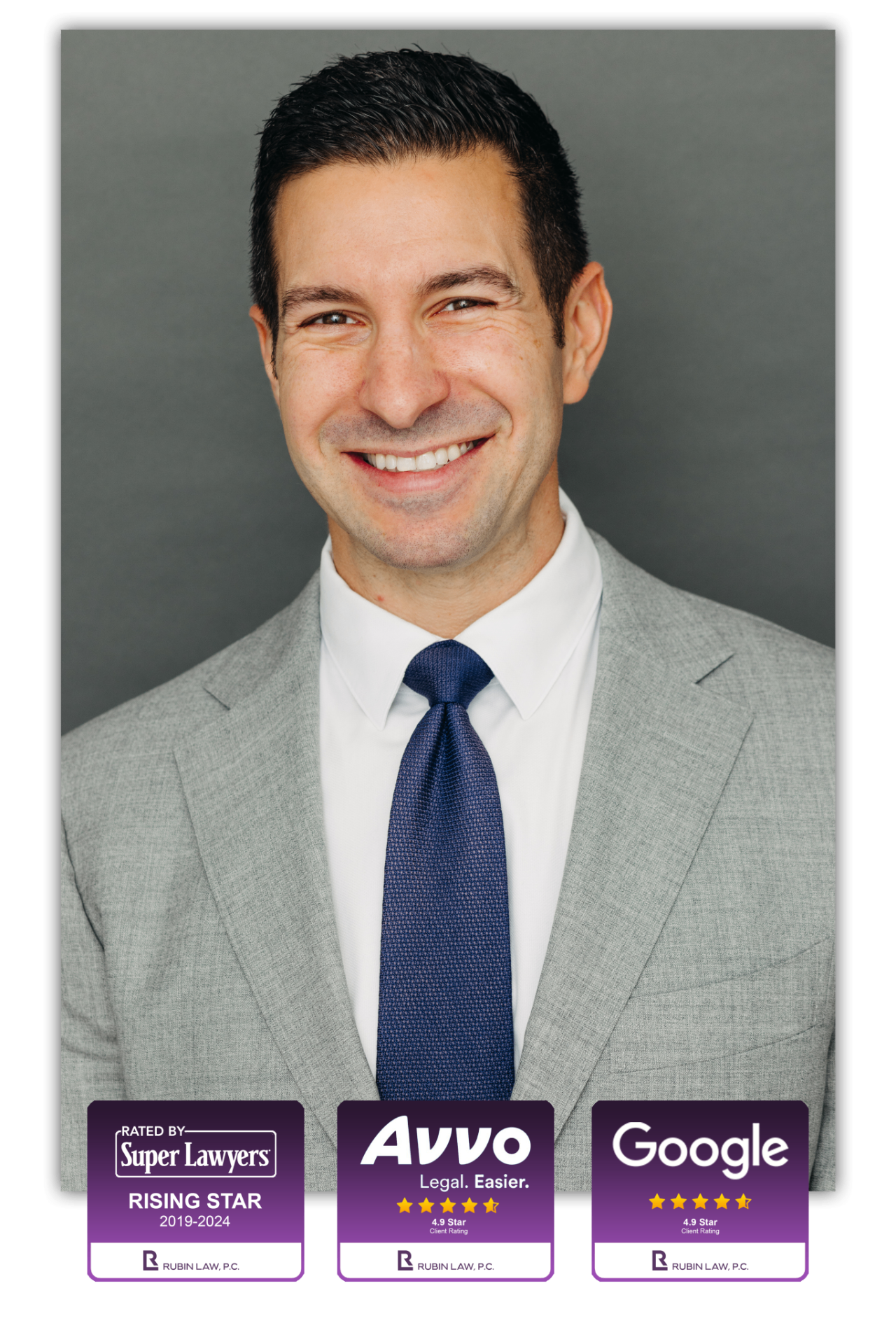
Daniel S. RubinSex Crimes Attorney
01 — Quick Facts
California Sex Crimes — At a Glance
02 — California Law
How California Prosecutes Sex Crimes
California's sex-crime statutes run from PC §243.4 (opens in new tab) (sexual battery) through PC §290 (opens in new tab) (mandatory registration). The One-Strike Law (PC §667.61) imposes 15-to-life or 25-to-life sentences for specified aggravated offenses — the harshest non-capital sentences in California outside first-degree murder.
SB 145 (2020) and SB 384 (2017) modernized California's registration regime into a tiered system, but the collateral consequences remain severe — often more damaging than the sentence itself. Related offenses like domestic violence frequently accompany sex-crime allegations and demand coordinated defense.
03 — Penalties
Sex Crime Penalties in California — What You Are Facing
| Offense | Statute | Prison Term | One-Strike? | PC §290 Registration | Strike? |
|---|---|---|---|---|---|
| Rape | PC §261 | 3, 6, or 8 yrs | Yes (15-to-life / 25-to-life) | Tier 3 (life) | Yes |
| Rape by Force | PC §261(a)(2) | 3, 6, or 8 yrs | Yes | Tier 3 (life) | Yes |
| Sexual Battery — Felony | PC §243.4 | 2, 3, or 4 yrs | No | Tier 1–2 | Sometimes |
| Lewd Acts on Child <14 | PC §288(a) | 3, 6, or 8 yrs | Yes (up to life) | Tier 3 (life) | Yes |
| Statutory Rape (Felony) | PC §261.5(d) | 16 mo, 2, or 3 yrs | No | Often no registration | No |
| Indecent Exposure | PC §314 | 6 mo (misd) / 3 yrs (wobbler) | No | Tier 1 (10 yrs) | No |
| Child Pornography | PC §311.11 | 16 mo, 2, or 3 yrs | No | Tier 3 (life) | No |
| Continuous Sexual Abuse | PC §288.5 | 6, 12, or 16 yrs | Yes | Tier 3 (life) | Yes |
One-Strike (PC §667.61) triggers include kidnapping, tying/binding, use of a weapon, GBI, prior conviction, and multiple victims. A single aggravating fact can convert a triad sentence into 25-to-life.
Additional Consequences Beyond the Courtroom
- PC §290 sex-offender registration — Tier 1 (10 yrs), Tier 2 (20 yrs), Tier 3 (life)
- Residency restrictions (Jessica's Law / PC §3003.5)
- Public listing on the Megan's Law website (Tiers 2 and 3)
- Lifetime state and federal firearm ban
- Immigration: aggravated felony consequences for non-citizens
- Loss of most professional licenses (medical, teaching, healthcare)
- Employment background exposure — visible for life
- Post-conviction relief via PC §290.5 tier petition after registration window
04 — Defense Strategies
How We Defend Sex-Crime Cases
Prefile Intervention
Present exculpatory evidence to the DA's Sex Crimes Unit before filing.
- The single highest-leverage moment in a sex-crime investigation.
Consent Defense
Consent is the central issue in most adult sex-crime cases.
- We reconstruct communications, prior conduct, and toxicology.
False Allegation Analysis
Divorce, custody, immigration, and revenge motives are documented and cross-examined with prior-inconsistent-statement evidence.
Forensic Challenge (SART Kit)
Sexual Assault Response Team exams often contain ambiguous findings.
- We use defense-retained forensic experts.
PC §1538.5 Suppression
Illegally-seized devices, phones, and computers in internet sex-crime cases can be suppressed, gutting the case.
Registration-Neutral Pleas
Where possible, we negotiate to non-registerable offenses — assault, battery, disturbing the peace — preserving your future.
05 — Types of Charges
Sex Crime Charges We Defend
Wobbler. Unlawful touching of intimate parts for sexual gratification.
Learn moreStatutory Rape
Sex with a minor. Age-gap sensitive — under 3 years is a misdemeanor; over 3 is a wobbler.
Learn moreLewd Acts on a Child
Any touching for sexual gratification of a child under 14 (or 14–15 with age gap). Straight felony.
Learn moreInternet Sex Crimes
Sending harmful matter to a minor; contact for sex with a minor via internet. Sting operations.
Learn moreChild Pornography
Possession, distribution, or production. Federal overlap under 18 U.S.C. §2252.
Learn more06 — Possible Outcomes
Possible Outcomes in a Sex-Crime Case
Case Dismissed or Not Filed
The best possible outcome — no conviction, no record.
- Prefile rejection with polygraph, alibi, and forensic evidence
- Suppression of pretext calls and unlawful interrogations
- DA rejection on credibility and delayed-reporting analysis
Reduced to Non-Registerable Offense
- Plea to non-registerable §647.6 or §415 as alternative
- Removal from lifetime registration under Tier 1/2 (SB 384)
- Federal referral declined in favor of state resolution
Minimized Sentence
If a conviction cannot be avoided, we fight for the lowest possible exposure.
- Probation with counseling in lieu of state prison
- Enhancement dismissal under PC §1385
- Sentencing avoiding One-Strike (PC §667.61) exposure
Registration Relief & Diversion
- Termination of registration under PC §290.5
- Certificate of Rehabilitation under PC §4852.01
- Mental-health diversion under PC §1001.36 in eligible cases
07 — PC §290 Registration
California's Tiered Sex Offender Registration
Tier 1 — 10 Years
Misdemeanor sexual battery, indecent exposure, non-forcible offenses. Petition for removal after 10 years compliant registration.
Tier 2 — 20 Years
Non-forcible lewd acts with a minor, non-forcible oral copulation, mid-level felonies. Petition for removal after 20 years.
Tier 3 — Lifetime
Rape, forcible offenses, lewd acts on child under 14, violent sex crimes. No removal path except pardon.
08 — Collateral Consequences
Life-Long Consequences of a Sex-Crime Conviction
- Public registration on the Megan's Law online database
- Residency restrictions (Jessica's Law: 2,000 feet from schools/parks)
- Immigration: nearly all sex-crime convictions are deportable
- Custody termination and family-court consequences
- Professional license revocation (nursing, teaching, medicine, law)
- Employment ban in schools, healthcare, and childcare
- Loss of firearm rights — state and federal, lifetime
- Housing discrimination — most landlords reject registered offenders
09 — FAQs
Sex Crimes Questions — Los Angeles
What is the One-Strike Law in California?
PC §667.61 — the One-Strike Law — imposes 15-to-life or 25-to-life prison sentences for specified aggravated sex offenses, including rape with a weapon, rape of a child under 14, and sex offenses with kidnapping. It applies even to first-time offenders and forbids probation. One-Strike allegations are frequently negotiable in exchange for pleas to non-One-Strike charges — the single most important sentencing leverage in serious sex-crime cases.
How does PC §290 sex offender registration work?
PC §290 requires registration with local law enforcement after any qualifying conviction. Under SB 384, registrants are placed in Tier 1 (10 years), Tier 2 (20 years), or Tier 3 (lifetime) based on the underlying offense. Tier 1 and Tier 2 registrants can petition for removal after the tier period. Failure to register is a separate felony under PC §290.018.
Can I be prosecuted for a sex crime that happened years ago?
Often yes. Under PC §801.1, the statute of limitations for most serious sex crimes involving minors can extend until the victim turns 40 or beyond. AB 218 (2019) expanded civil claims. DNA-match cases under PC §803(g) have no time limit. Cold cases with new DNA evidence are actively prosecuted in LA County — the passage of time is not the shield it once was.
What if the allegation is false?
False allegations happen — motivated by divorce, custody disputes, immigration, revenge, or mental-health issues. Defense turns on documenting motive, prior inconsistent statements, communications before and after the alleged incident, and — where warranted — polygraph, forensic-psychology, and character evidence. Prefile intervention is critical: preventing a filing decision is exponentially easier than winning a dismissal after charges.
Are sex-crime convictions expungeable?
Most PC §290-registerable offenses are excluded from standard PC §1203.4 expungement. Certificate of Rehabilitation (PC §4852) and Governor's Pardon are the primary post-conviction relief pathways. Some misdemeanor sex offenses can be reduced under PC §17(b) or negotiated to non-registerable pleas — the difference between a 10-year registration and no registration.
How discreet is the defense process?
Sex-crime investigations are frequently pre-charge and confidential. We handle intake and communications with maximum discretion — including alternate contact methods, non-firm email domains where requested, and coordinated advice about digital hygiene. Prefile representation is often invisible to your employer, family, and community.
Can internet sex-crime charges (sting operations) be defended?
Yes. Chat-log and undercover-sting cases raise entrapment defenses under CALCRIM 3408, jurisdiction challenges, and PC §1538.5 device-suppression motions. Federal overlap is common (18 U.S.C. §2422(b)) and requires coordinated state-federal defense. Prefile intervention with US Attorney's Office can prevent federal indictment in appropriate cases.
Does the alleged victim have to testify?
Not always. Prosecutors can proceed with excited-utterance statements, SART exam findings, digital evidence, and third-party witnesses. That said, in most sex-crime prosecutions the alleged victim's testimony is central. Their credibility, motive, and consistency drive verdicts. Effective cross-examination — while remaining respectful — is one of the most consequential trial skills in sex-crime defense.
California Law Guides
Related California Laws — Sex Crimes
Deep-dive statute explainers from our Laws Hub — how each charge is filed, defended, and sentenced in California courts.
Sex Crimes California
California sex crime convictions carry mandatory sex offender registration under PC §290, potential life sentences for the most serious offenses, and permanent collateral consequences.
Read the Full GuideRape Laws California
Rape under PC §261 is non-consensual sexual intercourse accomplished by force, fear, fraud, or incapacity.
Read the Full GuideSexual Battery California
Sexual battery under PC §243.4 is non-consensual touching of intimate parts for sexual purposes.
Read the Full GuideLewd Acts with Minor California
Lewd acts with a child under 14 under PC §288(a) is a felony carrying 3–8 years and lifetime sex offender registration.
Read the Full GuideSex Offender Registration California
California's tiered sex offender registration system under PC §290 and SB 384 — who must register, for how long, what the restrictions are, and how to petition for removal after 10 or 20 years.
Read the Full GuideIndecent Exposure California
Indecent exposure under PC §314 is willfully exposing your genitals in a public place to another person who would be offended.
Read the Full GuideExplore More