
Diversion — Dismissed Without Conviction
Diversion Programs for Criminal Charges in Los Angeles
Diversion allows qualifying defendants to avoid a criminal conviction entirely — completing a program in exchange for full dismissal of all charges. No conviction. No permanent record. Rubin Law, P.C. fights for diversion at every stage of your case.
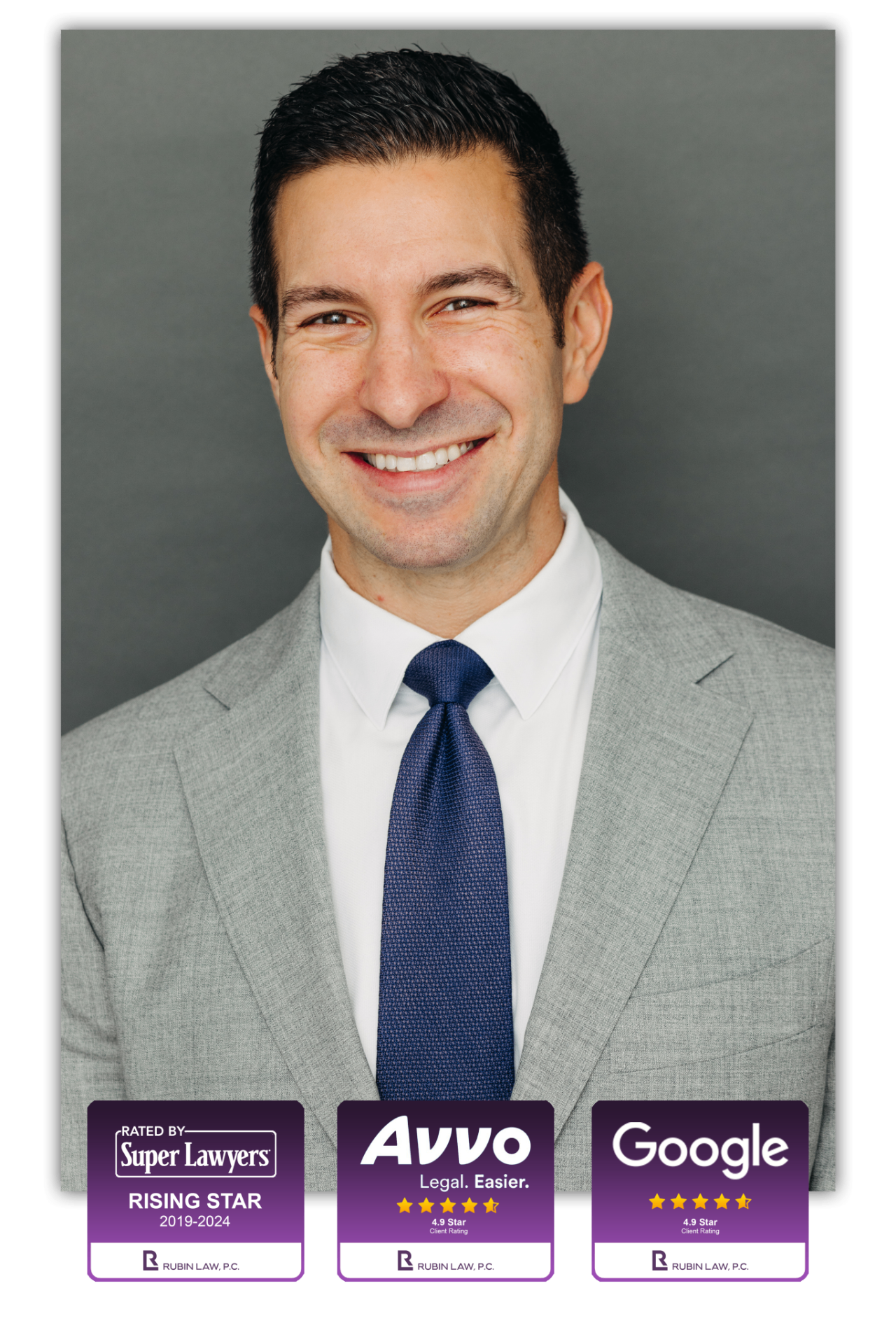
Daniel S. RubinDiversion Programs Attorney
What Is Diversion
What Is Criminal Diversion in California?
Criminal diversion is a legal process that suspends or redirects a criminal case into a rehabilitation or treatment program. If the defendant completes the program successfully, the criminal charges are dismissed. No conviction is entered. In most cases, the arrest record is eligible for sealing. Diversion is not probation — there is no guilty plea, no conviction, and no permanent criminal record on completion.
California has one of the most expansive diversion systems in the United States, with multiple programs targeting different populations and offense types. The key is knowing which program applies to your situation — and getting into it as early as possible, ideally before arraignment.
Directory
California Diversion Programs Available in Los Angeles
Felony Diversion
Felony charges diverted through PC §1001.36, §1001.80, and prefile strategy — dismissed without conviction.
ExploreFormal Diversion
Court-supervised diversion with status hearings, program requirements, and a formal dismissal on completion.
ExploreInformal Diversion
DA-level negotiated diversion, often pre-arraignment — the fastest path to no conviction.
ExploreJudicial Diversion (PC §1001.95)
Misdemeanor diversion the judge can grant over the DA's objection under AB 3234.
ExploreMisdemeanor Diversion
Every misdemeanor diversion vehicle in LA — judicial, mental health, veterans, and DA-level.
ExplorePre-Trial Diversion
Suspend proceedings before trial and dismiss on completion — the strongest pre-conviction outcome.
ExploreMental Health Diversion (PC §1001.36)
For defendants with qualifying mental health conditions. Available for most misdemeanors and felonies.
ExploreVeterans Diversion (PC §1001.80)
For current and former military members with service-connected mental health conditions.
ExploreHow It Works
How Criminal Diversion Works in Los Angeles Courts
- 1
Eligibility Evaluation
Defense attorney identifies whether the charges, defendant background, and circumstances make diversion likely — and which statutory vehicle applies.
- 2
Application or Motion
Defense attorney applies to the DA or files a formal motion for diversion with the court, backed by mitigation and a proposed program.
- 3
Approval
DA agrees, judge grants over DA objection (§1001.95, §1001.36), or the DA and court both sign off on an informal disposition.
- 4
Program Completion
Defendant completes the required program — treatment, counseling, community service, classes, or a combination.
- 5
Dismissal
On successful completion, all charges are dismissed. In most programs the arrest record is eligible for sealing.
Courthouse variation matters. Diversion is a statewide statute set, but how it moves through the calendar differs by courthouse. In downtown Los Angeles at the Clara Shortridge Foltz Criminal Justice Center, misdemeanor diversion motions under PC §1001.95 are typically heard in the assigned trial department, and Mental Health Diversion under PC §1001.36 travels through the specialized MHD calendar with a full clinical evaluation.
At the Van Nuys, Airport (LAX), and Long Beach courthouses, diversion is frequently pitched at the pre-plea stage in the misdemeanor arraignment courtroom, with the deputy DA agreeing to a continuance for enrollment before returning to court. At Compton, Norwalk, and Pomona, judicial diversion under §1001.95 is granted routinely over DA opposition when the eligibility criteria are met on the face of the file. Knowing which courtroom will hear the motion — and which judge sits that department — is often the deciding factor.
The written motion package is what wins these cases. Diversion is discretionary: the judge weighs the interests of justice, mitigation, program-appropriateness, and the risk of re-offense. A one-page request rarely succeeds. A 6- to 15-page motion with a treatment plan, mitigation exhibits, community-support letters, and — for §1001.36 — a licensed clinician's diagnosis, converts a marginal case into a granted case.
Diversion vs Probation vs Conviction
Three Very Different Outcomes — Know the Difference
The three most common dispositions in a California criminal case look similar from the outside but produce very different life outcomes. Diversion avoids the conviction entirely; probation is a conviction with a suspended or executed sentence; a straight conviction is the worst of the three.
| Diversion | Probation | Conviction | |
|---|---|---|---|
| Guilty plea required | No | Yes | Yes |
| Conviction on record | No | Yes | Yes |
| Public criminal record | No (sealable) | Yes | Yes |
| Background-check impact | Minimal / none | Significant | Severe |
| Immigration risk | Very low | Moderate to high | High |
| Firearm rights | Retained | Often lost (10 yr / lifetime) | Often lost |
| Professional licensing | Usually no report | Reportable | Reportable + discipline |
| Supervision | Program-based | Probation officer / court | Custody or PRCS |
| Outcome on completion | Dismissal | Conviction remains | N/A |
| Failure consequence | Case resumes | Probation revoked, sentence imposed | N/A |
| Sealing / expungement | PC §851.91 seal | PC §1203.4 expungement (limited) | Very limited |
Read the table two ways. Every row that shows "No" or "Minimal" in the Diversion column is a life outcome that is preserved — housing applications, employment, professional licensing, immigration status, and firearm rights. Every row that shows "Yes" or "Significant" in Probation or Conviction is a life outcome that has to be actively repaired, sometimes for years.
The one place probation can beat diversion is when the case is unwinnable on the facts and the defendant is ineligible for every diversion vehicle. In that narrow scenario, a well-negotiated probationary disposition with a §17(b) wobbler reduction and later §1203.4 expungement is the right play. Diversion is preferred wherever it is available.
Who Qualifies
Who Qualifies for Diversion in Los Angeles?
Every diversion program has its own statutory eligibility criteria. The chart below covers the four most-used vehicles in Los Angeles County. Overlap is common — a single client may qualify for two or three programs, and the strongest program is the one that produces the cleanest dismissal in the shortest time.
Misdemeanor Diversion — PC §1001.95
Typically EligibleMost California misdemeanors: petty theft, trespass, disturbing the peace, vandalism, drug possession, low-level assault, and dozens of others.
ExcludedDV under PC §273.5, DUI under VC §23152–23153, PC §290 registerable sex offenses, stalking, and a short statutory exclusion list.
Key NoteJudge may grant over DA objection (AB 3234). Diversion period up to 24 months; dismissal on completion.
Mental Health Diversion — PC §1001.36
Typically EligibleMisdemeanors and most felonies where a qualifying mental disorder (per DSM) was a significant factor in the offense and treatment is reasonably likely to reduce risk of recidivism.
ExcludedMurder, voluntary manslaughter, PC §290 offenses, rape, and a short list of enumerated exclusions per §1001.36(d).
Key NoteRequires a licensed clinician's evaluation. Diversion up to 2 years; dismissal and record sealing on completion.
Military Diversion — PC §1001.80
Typically EligibleActive duty, reserve, or veteran misdemeanor defendants suffering from mental health conditions (PTSD, TBI, sexual trauma, substance abuse) resulting from military service.
ExcludedFelonies (limited exceptions), PC §290 offenses, and DV under §273.5. VC §23152 DUI is expressly included by statute.
Key NoteApplies to DUI — a rare vehicle that produces a dismissal on a DUI charge without a plea.
Drug Diversion — PC §1000 / Prop 36
Typically EligibleNon-violent drug possession offenses under HS §11350, §11357, §11377, and related possession statutes.
ExcludedSales, transportation for sale, manufacturing, and possession while armed.
Key NoteSuccessful completion produces dismissal under PC §1000.4 and non-arrest treatment under PC §851.91.
Eligibility is a first pass, not a final answer. The written motion, the clinician's report (for §1001.36), the courthouse assignment, and the individual judge all move the outcome — which is why the same charge can produce a granted diversion in one courtroom and a denied motion in another. Every one of these vehicles has been used successfully at Rubin Law.
FAQs
Diversion Programs — Frequently Asked Questions
What is the difference between diversion and probation?
Diversion suspends the case with no guilty plea; probation follows a conviction. Successful diversion produces a dismissal with no conviction on your record. Probation leaves a permanent conviction even if the term is completed successfully — although some convictions can later be expunged under PC §1203.4.
Can I get diversion if I have a prior criminal record?
Yes — many diversion vehicles do not disqualify defendants for prior convictions. PC §1001.36 focuses on the current offense and the qualifying mental health condition, not prior record. PC §1001.95 has more limited priors restrictions but many prior offenders still qualify. Rubin Law evaluates each case individually.
What happens if I fail to complete a diversion program?
The court can terminate diversion and reinstate the suspended criminal proceedings. The case picks up from where it left off — no plea has been entered, so the defendant retains all trial rights. Rubin Law works to address compliance issues with program modifications before the court terminates diversion.
Does diversion show up on a background check?
After successful completion and sealing, the arrest and charge are removed from most public criminal-history databases. Standard employer background checks will typically show no case. Some government, law-enforcement, and licensing checks may still see the underlying arrest — Rubin Law explains the specific impact for your circumstances.
How do I know which diversion program I qualify for?
The right vehicle depends on the charge, your history, and any qualifying conditions. Rubin Law maps every available option — judicial (§1001.95), mental health (§1001.36), veterans (§1001.80), drug (§1000), and DA-level informal diversion — during the initial consultation and files the strongest available motion.
Can Rubin Law get me into diversion before charges are filed?
Yes — prefile intervention is often the strongest diversion strategy. Approaching the DA before charges are filed can produce a no-file result, an informal diversion, or a reduced misdemeanor filing that qualifies for §1001.95. Prefile action requires an immediate call.
Can diversion be granted over the DA's objection in California?
Yes — for misdemeanor cases eligible under PC §1001.95, a judge can grant diversion over the District Attorney's objection. This authority was added by AB 3234 (effective 2021) and is one of the most powerful diversion tools available in California. The judge weighs the interests of justice, not the DA's position. It does not apply to DV, DUI, sex-offender-registerable offenses, and a short list of statutory exclusions. Mental Health Diversion under PC §1001.36 is also grantable over DA objection when the statutory factors are met.
Does diversion affect my immigration status?
Diversion under California statutes — PC §1001.36, §1001.95, §1001.80, and §1000 — is designed to avoid a criminal conviction, and successful completion typically results in dismissal with no plea entered. Under federal immigration law (INA), a conviction requires either a formal judgment of guilt or a plea with a court-imposed penalty. Because California diversion generally involves no plea and no judgment, it is not treated as a conviction for INA purposes in most cases. That said, immigration consequences turn on the specific program and how the disposition is structured — for example, older 'deferred entry of judgment' language under legacy PC §1000 could be treated as a conviction. Non-citizens should never enter any diversion program without counsel who has affirmatively confirmed the immigration analysis.
California Law Guides
Related California Laws — Diversion Programs
Deep-dive statute explainers from our Laws Hub — how each charge is filed, defended, and sentenced in California courts.
Drug Diversion California
Read the Full GuideWhat Happens After an Arrest in California
The hours and days after an arrest in California are critical.
Read the Full GuideArraignment in California
An arraignment is the first formal court appearance where charges are read, a plea is entered, and bail is set.
Read the Full GuidePlea Bargaining California
Over 90% of California criminal cases resolve through a plea bargain rather than trial.
Read the Full GuideHow to Expunge a Record in California
Expungement under PC §1203.4 dismisses a conviction after probation is completed.
Read the Full GuideDomestic Violence Prefile Intervention
Prefile intervention is contact with the prosecutor before charges are filed to present evidence, witness statements, and mitigation that convinces the DA to reject or reduce the case.
Read the Full GuideAvailable 24/7 — Free Consultation
Ask About Diversion Before Your First Court Date.
Every day of delay narrows your diversion options. Call Rubin Law, P.C. for a free evaluation of every diversion path available for your specific charge.