
DA-Level Case Resolution
Informal Diversion in Los Angeles — DA-Level Case Resolution
The Fastest Path to No Conviction
DA-negotiated. Fast. No formal court record.
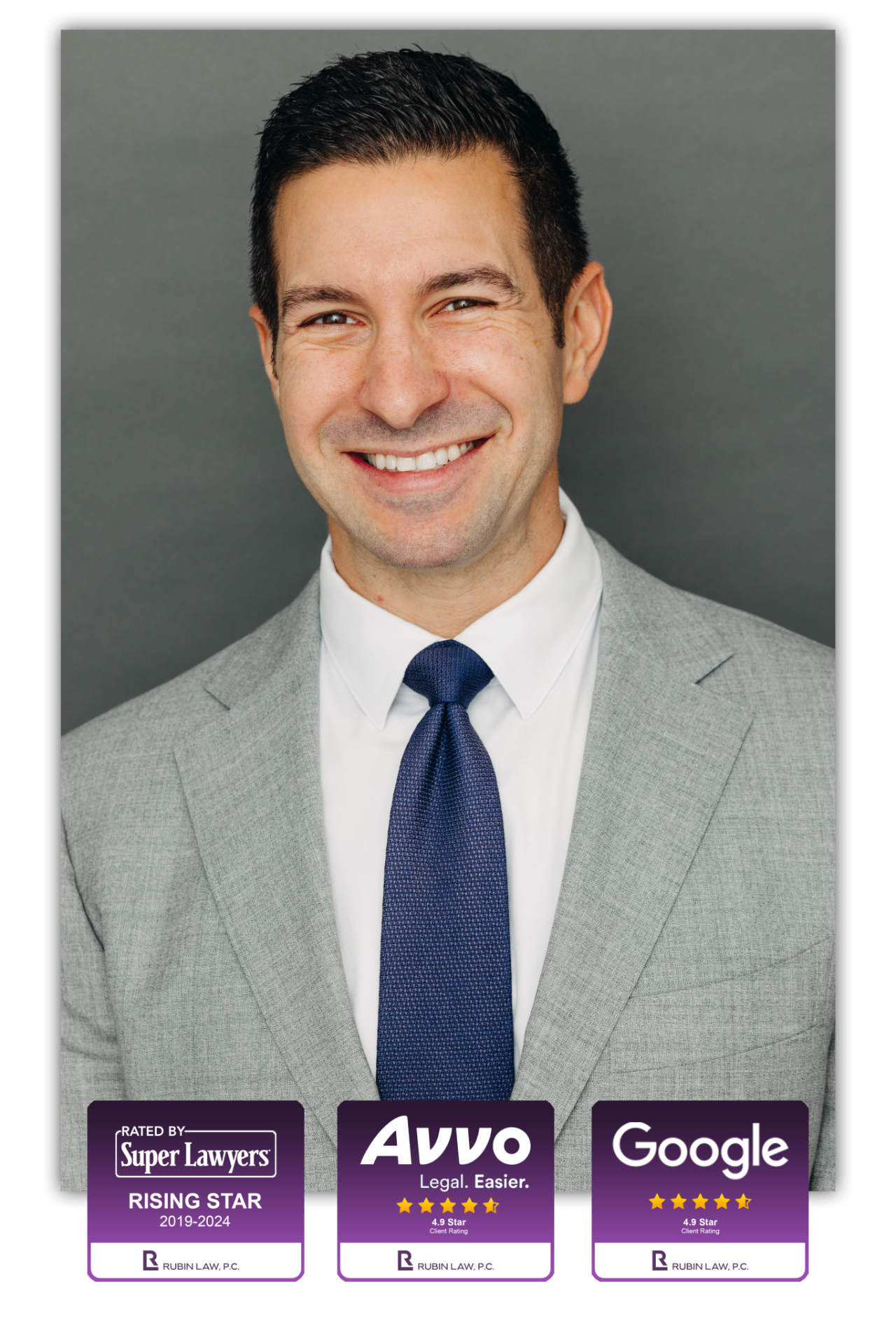
Daniel S. RubinInformal Diversion Attorney
On This Page
Jump to a Section
01 — Quick Facts
Informal Diversion — At a Glance
02 — What Is Informal Diversion
DA-Level Diversion, Explained
Informal diversion is a non-statutory agreement between defense counsel and the prosecutor to resolve a case without a formal prosecution. In exchange for the defendant completing an agreed program — counseling, restitution, community service, a class, or a treatment plan — the DA declines to file, moves to dismiss, or reduces the charge.
Because informal diversion happens at the DA's discretion, there is no motion, no hearing, and often no permanent court record of the underlying charge. It is the fastest path from arrest to no conviction.
03 — Legal Basis
Where Informal Diversion Comes From
Informal diversion has no single statute. It rests on the prosecutor's charging discretion — the authority to decide whether to file charges, what to file, and whether to move to dismiss. Because it is discretionary, its availability and terms depend on the prosecuting office (the Los Angeles County District Attorney or a city attorney's office such as Los Angeles, Long Beach, Pasadena, Burbank, Santa Monica or Torrance) and on the facts of the case.
That flexibility is its strength and its limit. An informal agreement can be shaped to fit an individual case, but it creates no statutory right to diversion and no statutory record-clearing rule. The record effect depends on how the case ends — no filing at all, or a dismissal entered by the court.
04 — Who Is a Candidate
Cases Where Informal Diversion Is Realistic
There are no statutory eligibility rules, so prosecutors look at the same things any charging decision turns on. Informal resolutions are most realistic when:
- The charge is a lower-level misdemeanor or a borderline filing decision.
- The client has little or no prior record.
- Any loss is small and can be repaid quickly.
- There are evidence problems the prosecutor would have to overcome at trial.
- The client has already started counseling, classes, or treatment.
Serious, violent, or registerable offenses are rarely resolved this way. For those cases a statutory program such as PC §1001.36 is usually the realistic path.
05 — How Attorneys Negotiate It
How Rubin Law Negotiates Informal Diversion
- Identify eligibility as soon as we're retained — first-time offenders, low-loss property crimes, minor drug or alcohol cases, DV cases with mitigating context.
- Build a mitigation package — treatment enrollment, restitution funds, letters of support, mental-health evaluation.
- Present the package to the filing deputy or line prosecutor before arraignment.
- Negotiate the specific program — class, counseling course, community service hours.
- Confirm the disposition in writing and monitor compliance to dismissal or no-file.
06 — Typical Programs
Programs the DA Commonly Accepts
- Anti-theft classes and cognitive-restructuring courses.
- Anger management or DV batterer-intervention courses.
- Substance abuse assessment and counseling.
- Mental health counseling with a licensed provider.
- Community service hours through an approved agency.
- Restitution to the alleged victim.
07 — Limits and Risks
The Limits of Informal Diversion
Informal diversion is valuable precisely because it is flexible, but that flexibility has costs that every client should understand before agreeing:
- No statutory right. The prosecutor can decline, and there is no motion to force an informal agreement.
- Terms depend on the agreement. Without a statute defining length or conditions, the terms must be written down clearly so both sides know what completion means.
- Charges can be filed later. If the case was not filed, the prosecutor generally keeps the ability to file within the statute of limitations if the terms are not met.
- Record effect is not automatic. Unlike statutory diversion, there is no built-in rule that the arrest is deemed never to have occurred; a separate sealing petition may be needed.
We weigh these limits against the alternatives. For some clients, a statutory program under §1001.95 or §1001.36 is the better route even when an informal offer is on the table.
08 — How It Is Negotiated
How an Informal Diversion Agreement Comes Together
- 01
Contact before filing or arraignment
We reach the filing deputy or assigned prosecutor as early as possible, often before the first court date. - 02
Mitigation package
We present the client's background, character letters, proof of employment or school, and any treatment already begun, along with any weaknesses in the evidence. - 03
Proposed terms
We propose specific, achievable conditions — for example a class, counseling, restitution, or community service — and a timeline. - 04
Written confirmation
We confirm the terms clearly, including what the prosecutor will do on completion: decline to file, move to dismiss, or another agreed outcome. - 05
Proof of completion
We collect certificates and receipts and deliver them so the agreed outcome is carried out.
09 — Informal vs Formal
How Informal Diversion Differs From Formal Diversion
Who decides
Legal right
Court involvement
Record effect
10 — Timing
Before Filing vs After Filing
Before charges are filed, an informal agreement can mean the case never reaches court at all. The filing deputy decides whether to file, and a well-supported request — with treatment already under way, restitution ready, and the client's background documented — gives the deputy a reason to decline.
After charges are filed, the prosecutor can still agree to an informal resolution, typically by agreeing to move to dismiss once agreed conditions are completed. The court is involved at that stage, and the case remains open until the dismissal is entered.
Either way, informal handling rarely appears out of nowhere. It usually follows early contact from defense counsel with a specific proposal and documentation behind it.
11 — Outcome on Completion
What Completion of an Informal Agreement Produces
When the agreement is honored, the outcome is whatever was agreed — most often that no charges are filed or that the prosecutor moves to dismiss. Either way there is no conviction.
The arrest itself may still appear on a record. If no charges were filed, California law gives a separate path to seal an arrest that did not result in a conviction (PC §851.91). We advise each client on whether a sealing petition makes sense once the case is closed.
12 — If Terms Are Not Met
What Happens if the Agreement Falls Through
Because the agreement is discretionary, a client who does not complete the terms can be charged, or the prosecution can continue in the normal way. The client keeps every defense — nothing in an informal diversion agreement should require an admission of guilt, and we do not recommend agreements that do.
If the informal route fails or is refused, statutory diversion under PC §1001.95, §1001.36, §1001.80 or §1000 may still be available once charges are filed.
13 — Prefile Overlap
Informal Diversion Is the Prefile Endgame
Informal diversion is the most common favorable outcome of a successful prefile intervention. When the DA agrees to hold a filing decision while the client completes a program, the result is often no filing at all — which functions as the strongest possible informal diversion.
14 — FAQs
Informal Diversion Questions — Los Angeles
What is informal diversion in California?
Informal diversion is a non-statutory agreement between defense counsel and the prosecutor to resolve a case through a program (counseling, class, community service, restitution) in exchange for a favorable outcome — no filing, dismissal, or reduced charge.
How does informal diversion work in LA County?
Defense counsel approaches the filing deputy or line prosecutor before or at arraignment with a mitigation package and a proposed program. If accepted, the DA holds or dismisses the case while the client completes the program.
Can I get informal diversion before arraignment?
Yes — the strongest informal diversion outcomes happen during the prefile window. Approaching the DA before charges are filed often produces a no-file result.
Is informal diversion available for felonies?
Rarely, but yes — for certain low-level felonies with strong mitigation, informal diversion can result in a misdemeanor filing or no filing. Serious and violent felonies typically require the statutory §1001.36 or §1001.80 vehicles.
How is informal diversion different from formal diversion?
Informal is DA-run, non-statutory, and often pre-filing. Formal is court-supervised under a statute like PC §1001.95 or PC §1001.36, with status hearings and a formal dismissal order.
Is informal diversion written into California law?
No single statute creates it. Informal diversion rests on the prosecutor's discretion to decline to file charges or to move to dismiss, so its availability depends on the prosecuting office and the facts.
Do I have to admit guilt for informal diversion?
It should not require an admission. We negotiate terms that do not involve a guilty plea or written confession, so the client's defenses are preserved if the agreement fails.
Can my arrest be sealed after informal diversion?
If no charges were filed or the case was dismissed without a conviction, California law provides a procedure to petition to seal the arrest record under PC §851.91. Eligibility depends on the case.
What if the prosecutor refuses informal diversion?
Statutory diversion may still be available once charges are filed — PC §1001.95 for most misdemeanors (which the judge can grant over the prosecutor's objection), PC §1001.36 for mental health, PC §1001.80 for veterans, and PC §1000 for listed drug offenses.
How long does informal diversion take?
There is no statutory length. The time frame is whatever the defense and prosecutor agree to, based on the conditions — for example, the time needed to finish a class or pay restitution.
Is informal diversion available in city attorney cases?
Misdemeanors in some cities, including Los Angeles, Long Beach, Pasadena, Burbank, Santa Monica and Torrance, are prosecuted by a city attorney's office rather than the District Attorney. Informal resolutions depend on the policies and discretion of whichever office has the case.
California Law Guides
Related California Laws — Informal Diversion
Deep-dive statute explainers from our Laws Hub — how each charge is filed, defended, and sentenced in California courts.
What Happens After an Arrest in California
The hours and days after an arrest in California are critical.
Read the Full GuideDomestic Violence Prefile Intervention
Prefile intervention is contact with the prosecutor before charges are filed to present evidence, witness statements, and mitigation that convinces the DA to reject or reduce the case.
Read the Full GuideArraignment in California
An arraignment is the first formal court appearance where charges are read, a plea is entered, and bail is set.
Read the Full GuidePlea Bargaining California
Over 90% of California criminal cases resolve through a plea bargain rather than trial.
Read the Full GuideSealing Arrest Records California
An arrest that did not result in conviction can be sealed and destroyed under California law.
Read the Full GuideExpungement California
California's expungement law under PC §1203.4 allows dismissal of a conviction after probation completion.
Read the Full Guide