
Federal Defense · Central District of California
Los Angeles Federal Crimes Attorney
Target Letter or Grand Jury Subpoena?
Grand jury. Pre-indictment negotiation. Guidelines mitigation.
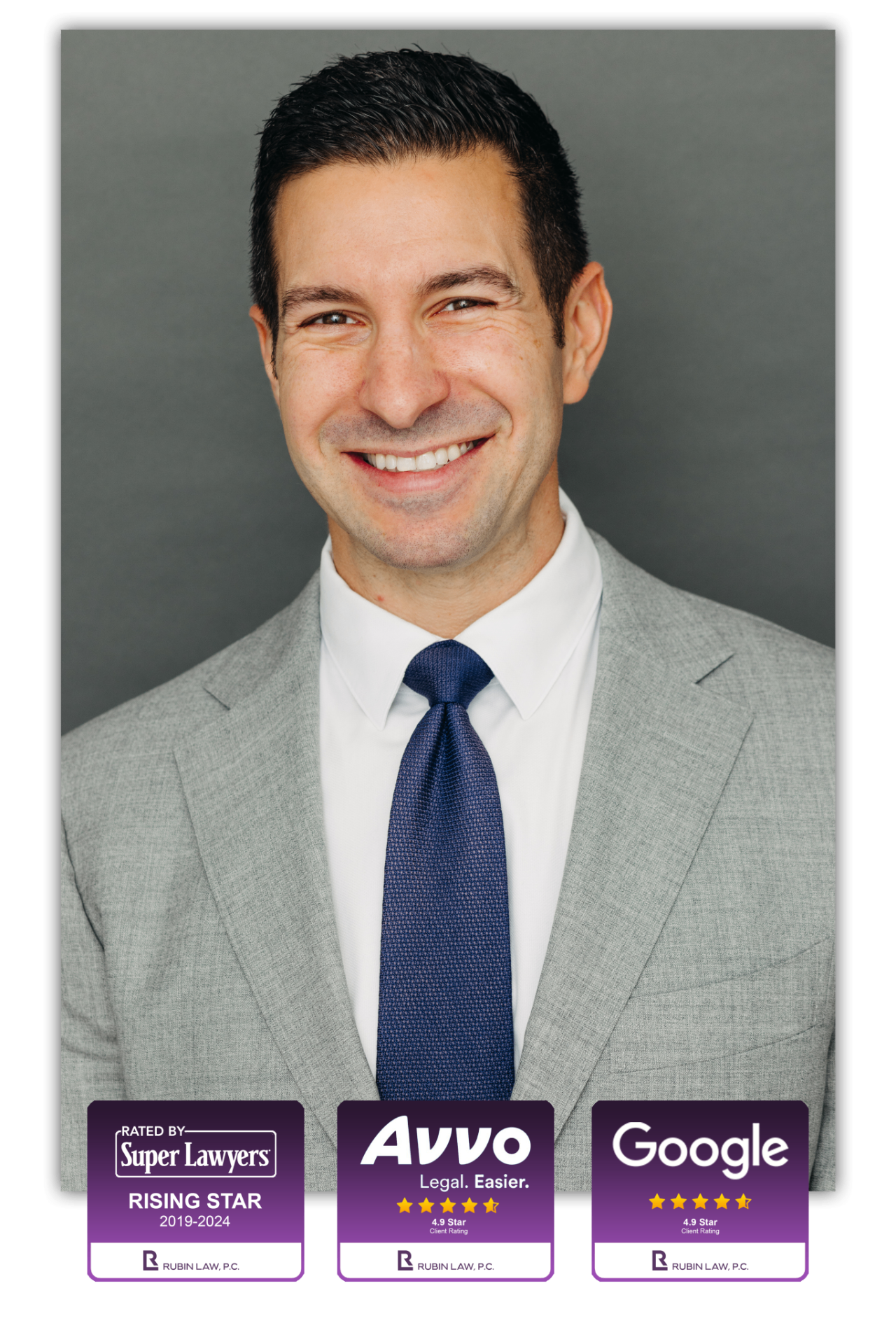
Daniel S. RubinFederal Criminal Defense Attorney
01 — Quick Facts
Federal Criminal Cases — At a Glance
02 — Federal vs. State
How Federal Cases Differ
Federal cases are prosecuted by Assistant United States Attorneys under Title 18 (and Title 21 for narcotics), charged by grand jury indictment, and sentenced under the U.S. Sentencing Guidelines (opens in new tab). There is no parole in the federal system; sentences are served at approximately 85% under 18 U.S.C. §3624(b).
Investigations run for months before any charge is filed. The single most valuable window is pre-indictment — when target letters arrive, when proffer sessions are offered, and when the case theory is still forming.
03 — Sentencing
Federal Sentencing Exposure — Statutory Max and Guideline Range
| Offense | Statute | Statutory Max | Mandatory Minimum | Guideline Driver | Supervised Release |
|---|---|---|---|---|---|
| Wire Fraud | 18 U.S.C. §1343 | 20 yrs (30 if bank) | None | §2B1.1 (loss) | 3 yrs |
| Mail Fraud | 18 U.S.C. §1341 | 20 yrs (30 if bank) | None | §2B1.1 (loss) | 3 yrs |
| Drug Trafficking | 21 U.S.C. §841 | 20 yrs / life | 5 / 10 / 20 yrs (quantity) | §2D1.1 (drug type/weight) | 3–5 yrs |
| Felon in Possession | 18 U.S.C. §922(g) | 10 yrs | 15 yrs (ACCA § 924(e)) | §2K2.1 | 3 yrs |
| Firearm in Furtherance | 18 U.S.C. §924(c) | Life | +5 / 7 / 10 yrs consecutive | Statutory | 5 yrs |
| Money Laundering | 18 U.S.C. §1956 | 20 yrs | None | §2S1.1 | 3 yrs |
| RICO | 18 U.S.C. §1962 | 20 yrs | None | §2E1.1 | 3 yrs |
| Bank Robbery | 18 U.S.C. §2113 | 20 yrs (25 armed; life if death) | None | §2B3.1 | 3 yrs |
Downward departures and variances — under §5K1.1 (substantial assistance), §5K2.0 (traditional grounds), and Booker/§3553(a) variances — routinely reduce sentences 30–50% below the guideline range. Pre-indictment negotiation is the highest-value defense window.
Additional Consequences Beyond the Courtroom
- Mandatory restitution under the MVRA (18 U.S.C. §3663A)
- Asset forfeiture — criminal (§982) and civil (§981)
- Supervised release for 3–5 years after prison (violations return to prison)
- Immigration: aggravated felony status for most federal felonies
- Loss of federal benefits (SNAP, HUD, student loans)
- Professional-license discipline (bar, CPA, medical, securities)
- Loss of security clearance and government-contracting eligibility
- Employment background — federal felony visible for life
04 — Defense Strategies
How We Defend Federal Cases
Pre-Indictment Advocacy
Direct engagement with the AUSA and case agent — declinations, target-status changes, and narrowed indictments happen here.
Grand Jury Strategy
Managing witness appearances, subpoena responses, and Fifth Amendment invocations to control the record built against you.
Suppression
Franks hearings, Title III wiretap challenges, and Miranda/§3501 motions to exclude the government's core evidence.
Guidelines Litigation
Loss-amount, role, sophisticated-means, and enhancement litigation.
- A one-level shift can swing years.
Detention & Bail
Third-party custodian packages, home-incarceration proposals, and Nebbia hearings for pretrial release.
Cooperation Analysis
Careful cost-benefit analysis of proffers, plea offers, and substantial assistance departures — never entered without full risk mapping.
05 — Charge Types
Federal Charges We Defend
RICO & Conspiracy
§1962 / §371
Enterprise theory; predicate-act challenges; withdrawal defense.
Money Laundering
§1956 / §1957
Structuring, concealment, and specified-unlawful-activity litigation.
06 — Federal Process
How a Federal Case Unfolds
1
Investigation
Agents interview, subpoena bank/phone records, and build a chronology — often without your knowledge.
2
Target Letter / Subpoena
The DOJ signals its posture. Retain counsel immediately; never respond alone.
3
Grand Jury
AUSA presents witnesses ex parte. Defense has no right to appear or cross-examine.
4
Indictment & Arraignment
Formal charges filed. Initial appearance and detention hearing follow within 72 hours.
5
Discovery & Motions
Rule 16 discovery, Jencks/Giglio material, suppression motions, and Franks hearings.
6
Plea or Trial
~97% of federal cases resolve by plea. Trial requires unanimous 12-juror verdict.
7
Sentencing
PSR interview, guideline calculations, §3553(a) mitigation, and variance argument.
07 — Possible Outcomes
Possible Outcomes in a Federal Criminal Case
Case Dismissed or Not Filed
The best possible outcome — no conviction, no record.
- Suppression under Franks or Fourth Amendment challenges
- DOJ declination through pre-indictment advocacy
- Grand-jury or speedy-trial dismissals
Reduced Charges & Guideline Range
- Downward departure motions under USSG §5K
- Loss-amount and role reductions under §2B1.1
- Superseding information avoiding mandatory minimums
Minimized Sentence
If a conviction cannot be avoided, we fight for the lowest possible exposure.
- Cooperation credit under USSG §5K1.1 where appropriate
- Home confinement and halfway-house placement
- BOP designation to a camp or low-security facility
Federal Pretrial Options
- Pretrial diversion under 18 USC §3154
- Deferred prosecution agreements with U.S. Attorney
- Compassionate release and First Step Act motions
08 — FAQs
Federal Crimes Questions — Los Angeles
What is a target letter?
A formal DOJ letter identifying you as a target of a grand-jury investigation. It is not a charge, but it means the government believes you committed a federal offense. Retain counsel immediately and do not contact the AUSA or agents on your own.
Should I talk to federal agents without a lawyer?
No. Federal agents build cases through statements. Anything you say — even 'small' clarifications — can be charged as false statements under 18 U.S.C. §1001, which carries five years even if the underlying case is never charged.
Is there parole in the federal system?
No. Parole was abolished in 1987 for offenses committed thereafter. Federal defendants serve approximately 85% of the imposed sentence with good-conduct credit and up to a year of prerelease custody under the First Step Act.
What are the U.S. Sentencing Guidelines?
The USSG is a rule-based framework producing an advisory sentencing range. Courts must correctly calculate the guidelines and consider 18 U.S.C. §3553(a) factors before imposing sentence — variances above and below are permissible when justified.
Can I get bail in a federal case?
Yes, but the presumption of detention applies in drug, firearm, and violent cases. A well-packaged bail proposal with third-party custodian, home incarceration, and asset-based collateral can overcome the presumption.
What is a proffer or 'Queen for a Day' session?
A voluntary meeting with prosecutors and agents where you provide information under a proffer letter that limits direct use of your statements. Derivative use is permitted, and misstatements void the agreement. Never enter a proffer without counsel and preparation.
What is a §5K1.1 or Rule 35 motion?
Government motions that permit sentencing below the mandatory minimum or reduce an imposed sentence based on substantial assistance to authorities. These are the primary mechanisms for reducing federal sentences.
How long does a federal case take?
Investigation phase: 6 months to several years. Post-indictment: the Speedy Trial Act sets 70 days from indictment or first appearance, but most cases waive time for motions and complex-case designations. 12–24 months to plea or trial is typical.
California Law Guides
Related California Laws — Federal Crimes
Deep-dive statute explainers from our Laws Hub — how each charge is filed, defended, and sentenced in California courts.
Federal Drug Charges California
Federal drug charges carry mandatory minimum sentences that can dwarf state penalties.
Read the Full GuideWire Fraud Federal California
Wire fraud under 18 U.S.C.
Read the Full GuideRICO Charges California
The Racketeer Influenced and Corrupt Organizations Act (RICO) allows federal prosecutors to charge individuals for participation in a pattern of racketeering activity.
Read the Full GuideFederal Weapons Charges California
Federal firearm charges under 18 U.S.C.
Read the Full GuideFederal Sentencing Guidelines California
Federal sentences in California are calculated using the United States Sentencing Guidelines — a complex point-based system that considers the severity of the offense, criminal history, and applicable enhancements.
Read the Full GuideFederal vs State Prosecution California
Many crimes in California can be prosecuted in either state or federal court.
Read the Full Guide