
Warrant Recall · Los Angeles County
Los Angeles Warrant Attorney
Warrant Out for You?
PC §978.5 recalls. Voluntary surrender coordination. Bench-warrant clearance.
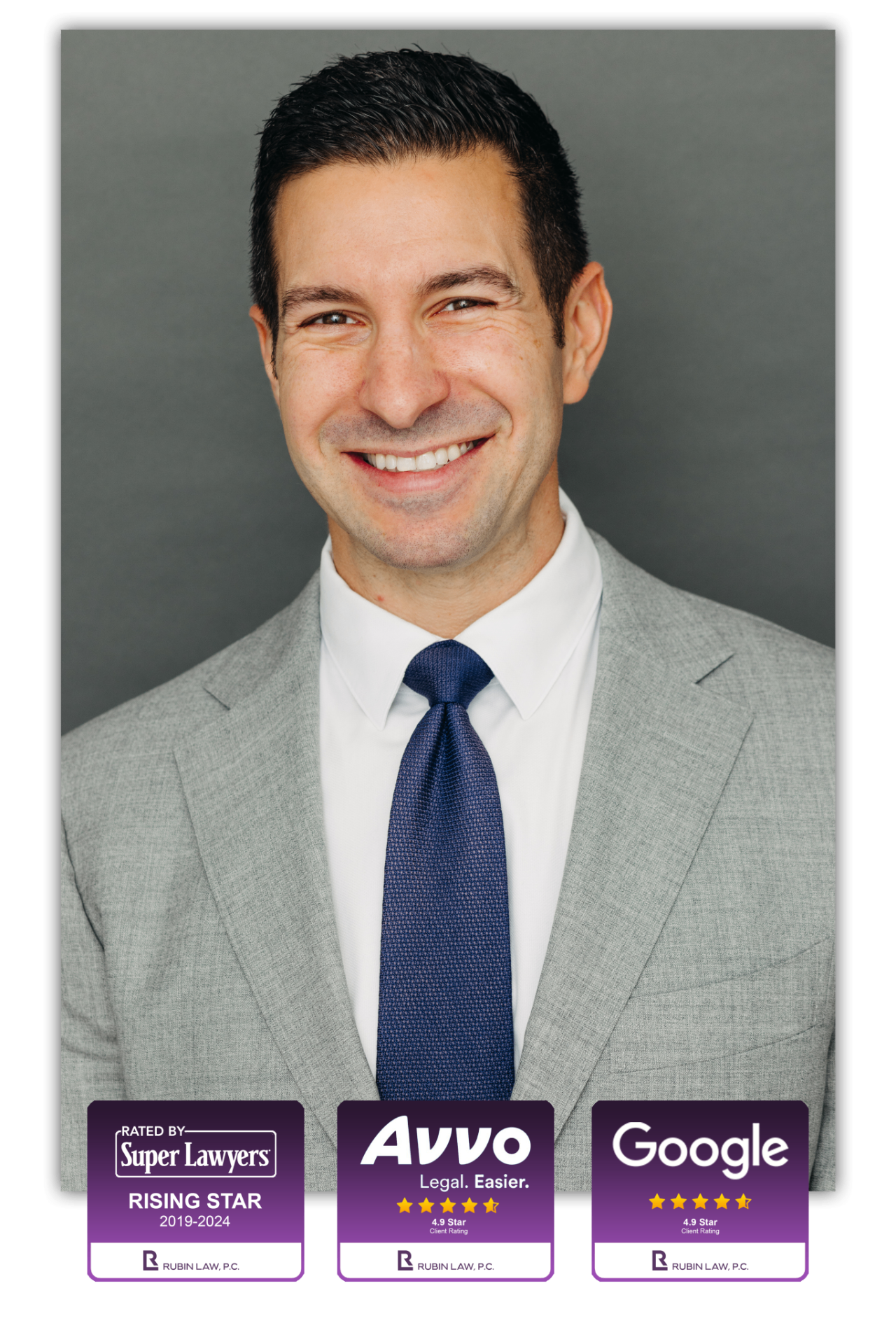
Daniel S. RubinWarrant Recall Attorney
01 — Quick Facts
California Warrants — At a Glance
02 — The Law
How California Warrants Work
California warrants are orders signed by a judge authorizing law enforcement to arrest, hold, or search. The three most common types are arrest warrants (issued at filing before an arrest), bench warrants (issued after a court appearance is missed), and search warrants (issued to authorize a specific search).
PC §978.5 (opens in new tab) permits counsel to appear on the client's behalf to recall a misdemeanor warrant without the client being present — the single most valuable procedural tool in warrant work.
03 — Types of Warrants
The Warrant Landscape
Arrest Warrant
Issued at case filing before the defendant appears. Authorizes law enforcement to take the person into custody.
Bench Warrant
Issued when a defendant fails to appear, violates probation, or fails to comply with a court order.
Search Warrant
PC §1523 authorization to search a specific place for specific items. Fourth Amendment particularity applies.
Federal Warrants
Issued by USDC magistrates or grand juries. Interstate execution; counsel coordination required.
04 — Risks of Ignoring
Why You Cannot Wait
Traffic Stop Arrest
CLETS Hit
Every stop pulls the warrant. Simple traffic contacts turn into custody arrests.
Airport Detention
TSA Screening
Federal warrants ping through TSA; state warrants ping through FBI NCIC.
Employer Discovery
Background Check
Pre-employment background checks reveal open warrants — often producing termination.
Home Arrest
Payton v. NY
Officers with a warrant can enter your home during the day; presence is not required.
License Suspension
DMV license holds issue on FTA warrants — driving becomes a separate crime.
Learn more05 — Recall Strategies
How We Clear Warrants
PC §978.5 Recall
For misdemeanor warrants, we appear in court on your behalf.
- You never step into the courtroom or into custody.
Warrant Quash
When the warrant is procedurally defective or issued after payment, we quash and recall in a single motion.
Coordinated Surrender
Pre-arranged surrender with counsel present, bail on standby, and mitigation on file — bail hearings the same day.
OR Release Package
Community-ties, employment, and treatment documentation prepared before surrender — most clients released OR at recall.
Fee & Fine Resolution
Payment plans, hardship waivers, and community-service conversion often lift the warrant on filing.
Interstate Coordination
Out-of-state and federal warrants require detainer management under the Interstate Agreement on Detainers.
06 — Process & Timeline
How a Warrant Recall Moves
1
Warrant Identification
Case docket pull, CLETS review, and confirmation of warrant scope and jurisdiction.
2
Strategy Assessment
Recall on the papers, PC §978.5 appearance, or coordinated surrender — the right approach depends on charge and history.
3
Documentation
Community-ties, treatment, employment, and mitigation package prepared before appearance.
4
Court Appearance
Counsel appears; warrant recalled; bail or OR release addressed.
5
Rescheduling
New court date set. Underlying case now proceeds normally.
6
Underlying Case
Defense of the substantive case begins.
7
Follow-Through
License hold releases, CLETS updates, and clearance memos issued as needed.
07 — Possible Outcomes
Possible Outcomes in a Warrant Case
Case Dismissed or Not Filed
The best possible outcome — no conviction, no record.
- Recall and quash of the warrant with no jail booking
- Bench-warrant recall under PC §978.5
- FTA charge (PC §1320) dismissed upon appearance
Reduced Underlying Charge
- Original misdemeanor negotiated down at the same appearance
- Failure-to-appear enhancement stricken
- Bail forfeiture set aside under PC §1305
Minimized Sentence
If a conviction cannot be avoided, we fight for the lowest possible exposure.
- Own-recognizance release at first appearance
- No-jail probation resolution paired with the warrant recall
- Payment plans on unpaid fines and fees
Diversion Options
- Judicial diversion under PC §1001.95 on the underlying case
- Mental-health diversion under PC §1001.36
- Community-court and homeless-court resolutions
08 — Clear Without Arrest
How to Clear a Warrant Without Being Arrested
Step 1 — Confirm the Warrant. Counsel pulls the case docket, CLETS record, and any FTA history to confirm the type of warrant (arrest, bench, or Ramey), the underlying charges, the issuing court, and the bail set on the warrant. This 15-minute step prevents surprises at the counter.
Step 2 — Use PC §978.5 for Misdemeanor Warrants. PC §978.5 (opens in new tab) authorizes counsel to appear on the client's behalf on any misdemeanor warrant. The client never sets foot in the courtroom or in custody. The judge recalls the warrant, sets a new court date, and releases any DMV license hold — see the full bench-warrants California guide for the courtroom mechanics.
Step 3 — File a Warrant Recall / Quash Motion Where Warranted. When the warrant is procedurally defective, issued in error after payment, or based on an FTA the defendant did not receive notice of, counsel files a formal recall or quash motion. In many LA courthouses these are heard on the same day counsel appears.
Step 4 — For Felony Warrants, Coordinated Surrender. Felony warrants normally require personal appearance. But a coordinated surrender — counsel present, bail arranged in advance, mitigation on file, and an OR/Humphrey argument prepared — replaces the traffic-stop arrest with a controlled courtroom appearance. Most clients walk out the same day.
Step 5 — Resolve License Holds and CLETS Entries. Once the warrant is recalled, counsel confirms the DMV lifts any VC §40509.5 hold and that the CLETS record is updated. Employer background checks and airport screening will no longer trigger detention.
The single wrong move is doing nothing. Every day the warrant sits, the exposure grows: license suspensions, employment loss, and interstate detention risk all escalate with time — and the underlying case's statute of limitations tolls, so the case does not go away on its own.
09 — FAQs
Warrants Questions — Los Angeles
Can a lawyer clear a warrant without me appearing?
Yes — for misdemeanor warrants, PC §978.5 permits counsel to appear on your behalf and recall the warrant. Felony warrants typically require personal appearance, but a coordinated surrender with counsel avoids custody-based arrest.
What happens if I do not recall my warrant?
The warrant remains active indefinitely. You risk arrest at any traffic stop, airport screening, or employment background check. Interstate warrants can result in extradition. License holds may also issue under VC §40509.5.
Do warrants expire?
No — arrest and bench warrants remain active until served or recalled. The underlying case's statute of limitations tolls once the warrant issues, so the case does not go away with time.
Can I be arrested at home on a warrant?
Yes. Officers with an arrest warrant may enter a residence during the day under Payton v. New York (1980) if they have reason to believe you live there and are present. Search warrants authorize entry regardless of presence.
How long does a warrant recall take?
Simple misdemeanor recalls under PC §978.5 typically resolve in 1–2 court appearances over 2–4 weeks. Felony surrenders can resolve the same day counsel appears. Extradition and interstate warrants take longer.
Will I go to jail at the warrant recall?
Not in most cases — that is the point of coordinated recall. With mitigation on file, OR release or bail is typical. Felony surrenders may involve brief booking, but pre-arranged bail avoids extended custody.
California Law Guides
Related California Laws — Warrants
Deep-dive statute explainers from our Laws Hub — how each charge is filed, defended, and sentenced in California courts.
Bench Warrants California
A bench warrant is a judge-issued order authorizing your arrest.
Read the Full GuideFailure to Appear California
Failing to appear at a scheduled court date is a separate crime under PC §1320 (misdemeanor case) or PC §1320.5 (felony case), and triggers a bench warrant.
Read the Full GuideWhat Happens After an Arrest in California
The hours and days after an arrest in California are critical.
Read the Full GuideArraignment in California
An arraignment is the first formal court appearance where charges are read, a plea is entered, and bail is set.
Read the Full GuideBail and Bail Hearings California
Bail in California is set at arraignment based on the severity of charges, criminal history, and flight risk.
Read the Full GuidePre-Trial Motions California
Pre-trial motions can suppress illegally obtained evidence, dismiss charges for constitutional violations, and dramatically improve the defense's position before trial even begins.
Read the Full Guide