
Misdemeanor Diversion
Misdemeanor Diversion in Los Angeles — Dismissed Without Conviction
Every LA Misdemeanor Has a Diversion Angle
Misdemeanor charged. Diversion granted. Record clean.
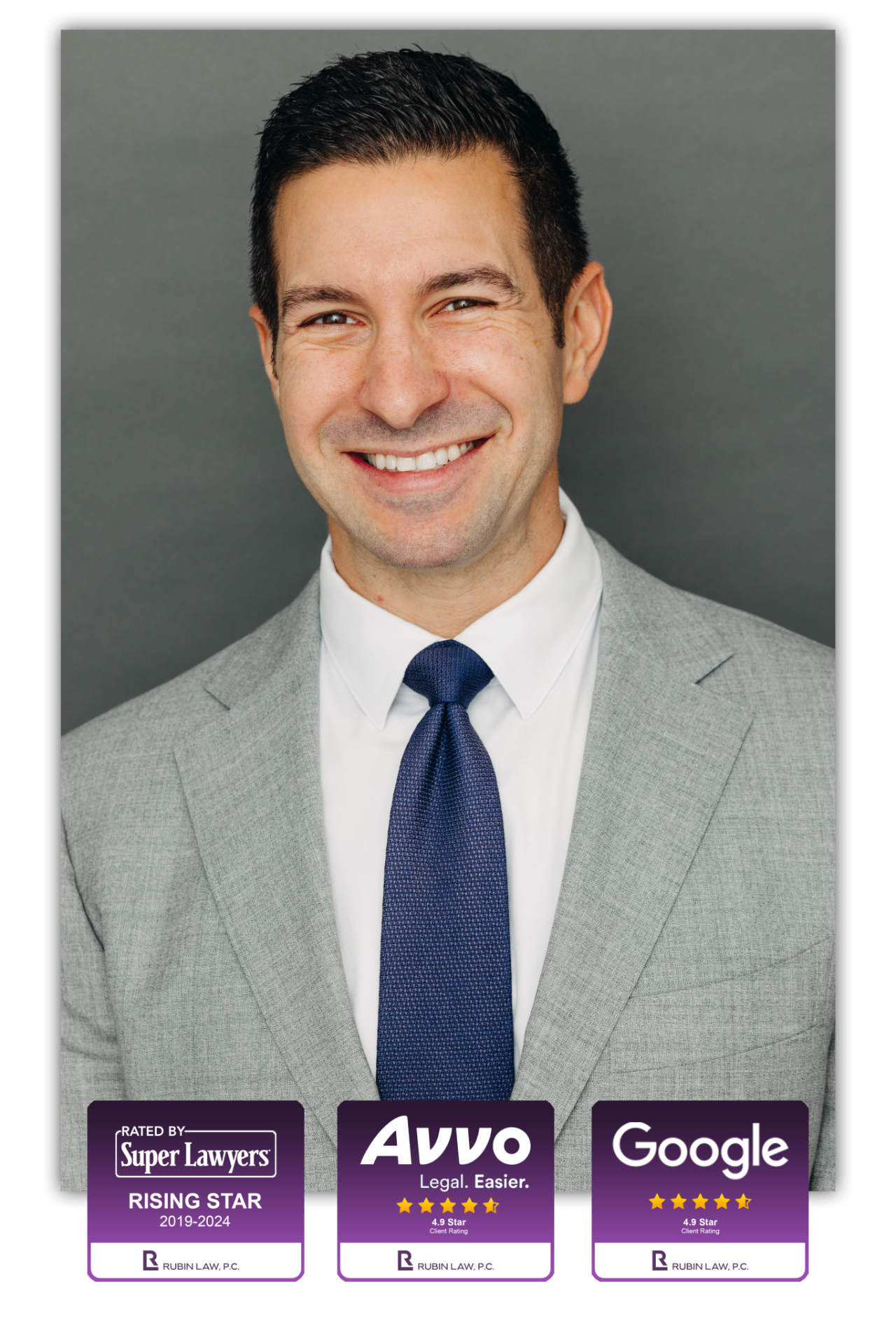
Daniel S. RubinMisdemeanor Diversion Attorney
On This Page
Jump to a Section
01 — Quick Facts
Misdemeanor Diversion — At a Glance
02 — Governing Law
The Law Behind Misdemeanor Diversion
Misdemeanor diversion in California is anchored on two statutes. PC §1001.95 (official text (opens in new tab)) gives judges authority to grant diversion for most misdemeanors — over the prosecutor's objection — for up to 24 months. PC §1000 (official text (opens in new tab)) provides drug diversion for listed personal-use offenses, with a diversion period of 12 to 18 months under PC §1000.2.
Mental health diversion under PC §1001.36 (up to one year for a misdemeanor) and military diversion under PC §1001.80 also reach misdemeanors, and informal agreements with the prosecutor remain possible in many cases. Choosing the right vehicle depends on the charge, the client's history, and what the client needs the outcome to protect.
03 — All Diversion Options
Every Misdemeanor Diversion Vehicle in LA
PC §1001.95 — Judicial Diversion
Judge grants diversion over DA objection for most misdemeanors. Program up to 24 months, then dismissal.
PC §1001.36 — Mental Health
For any misdemeanor where a DSM-5 disorder played a significant role in the offense. Dismissal + sealing.
PC §1001.80 — Veterans
Misdemeanor diversion for current and former military members with service-connected conditions.
DA-Level Informal Diversion
Prosecutor agrees to a program in exchange for no-file, dismissal, or reduction — often pre-arraignment.
04 — Common Eligible Charges
Misdemeanors Rubin Law Regularly Diverts
05 — Eligibility by Charge Type
Diversion Routes by Type of Misdemeanor
Theft and shoplifting
Drug possession and paraphernalia
Public-order offenses
Simple assault and battery (non-DV)
Domestic violence and stalking
DUI
06 — Charges That Need Another Route
Misdemeanors §1001.95 Does Not Cover
- Offenses requiring sex-offender registration under PC §290.
- Corporal injury on a spouse or cohabitant (PC §273.5).
- Domestic battery (PC §243(e)).
- Stalking (PC §646.9).
- DUI — appellate courts have held Vehicle Code §23640 bars diversion for DUI charges.
Some of these charges may still be diverted under a different statute — for example, PC §1001.36 mental health diversion or, for veterans, PC §1001.80, which after SB 1025 permits diversion for specified misdemeanor DUI charges. Domestic violence cases also have their own sentencing rules, so every option is compared before a decision is made.
07 — Court Process
How Misdemeanor Diversion Works in LA Courts
- 01
Citation or arrest
Many misdemeanors begin with a citation and a court date. Contacting counsel before that date allows a prefile or informal approach first. - 02
Arraignment
The defendant pleads not guilty. Diversion under §1001.95, §1000, §1001.36 and §1001.80 does not require a guilty plea. - 03
Request for diversion
We file a motion or request eligibility review with supporting records and a proposed program. - 04
Ruling and diversion order
If the court grants diversion, proceedings are suspended and the court sets the conditions and the diversion period. - 05
Program and reviews
The client completes the conditions while the court monitors progress. - 06
Dismissal
On satisfactory completion, the court dismisses the case.
08 — Program Requirements
What Misdemeanor Diversion Programs Require
The court or DA sets the program based on the offense — anti-theft class for theft cases, anger management for minor assaults, drug counseling for possession cases, community service, restitution, and no new arrests for the diversion period. Rubin Law negotiates the least-burdensome program the DA and court will accept.
09 — Dismissal & Record
Dismissal and Record Consequences
Completing statutory misdemeanor diversion ends in dismissal, with no conviction. For §1001.95 cases, PC §1001.97 provides that the arrest is deemed never to have occurred; PC §1000.4 contains a similar rule for drug diversion. Exceptions apply — for example, an applicant for a peace officer position must disclose the arrest when asked directly — and the record remains available to criminal justice agencies in limited ways.
That is different from an expungement under PC §1203.4, which applies only after a conviction and does not remove the conviction for every purpose. Avoiding the conviction in the first place is the stronger outcome.
10 — Collateral Consequences
Why a Misdemeanor Dismissal Matters Beyond Court
A misdemeanor conviction can follow someone long after the sentence is over. It can appear on background checks for jobs and housing, be reported to professional and occupational licensing boards, and increase exposure if there is ever a future case.
For non-citizens, federal immigration law has its own definition of a conviction, which can include certain pleas and admissions. Pretrial diversion under the California statutes requires no guilty plea, which is why it is usually far safer than a plea bargain — but immigration consequences should always be confirmed with immigration counsel.
That is why we treat diversion as the first goal in an eligible misdemeanor case, and a reduced-charge plea only as a fallback.
11 — If Diversion Is Terminated
What Happens if Misdemeanor Diversion Ends Early
If the court finds, after notice and a hearing, that the defendant is not complying with the conditions, it can end diversion and reinstate the case. Proceedings resume where they stopped. The defendant still has a not-guilty plea and can contest the charge.
Before it reaches that point, we bring problems to the court ourselves — a missed class, a scheduling conflict, difficulty paying — and ask for more time or adjusted conditions.
12 — Diversion vs Plea
Why Diversion Beats Pleading to a Lesser Charge
A reduced-charge plea still produces a conviction, which shows on background checks and immigration records. Diversion produces no conviction — the case is dismissed and (in most programs) sealed. For clients with immigration exposure, professional licenses, or federal-employment concerns, that difference is decisive.
13 — How We Fight for It
How Rubin Law Pursues Misdemeanor Diversion
Start before the court date
Pick the best vehicle
Show the court a plan
Protect the long-term record
14 — FAQs
Misdemeanor Diversion Questions — Los Angeles
What misdemeanors qualify for diversion in California?
Most non-DV, non-DUI, non-PC §290-registerable misdemeanors qualify for PC §1001.95 judicial diversion. Any misdemeanor where a qualifying DSM-5 disorder played a significant role in the offense also qualifies for PC §1001.36.
How does misdemeanor diversion work in LA County?
Defense counsel files a §1001.95 motion or negotiates informal diversion with the DA. If granted, the court sets a program — classes, counseling, community service — and the case is dismissed on successful completion.
Can I get misdemeanor diversion for a DUI?
Appellate courts have held that Vehicle Code §23640 bars DUI diversion under PC §1001.95. Veterans may qualify for PC §1001.80 diversion on specified misdemeanor DUI charges, and whether PC §1001.36 reaches DUI cases has been litigated in California courts. Rubin Law reviews every DUI for any available route.
Does misdemeanor diversion show on my background check?
After successful completion and sealing, the arrest and charge are removed from public criminal-history databases. Most employer background checks will show no case. Certain government and law-enforcement checks may still see the arrest — Rubin Law explains the specific impact for your career.
How long does misdemeanor diversion take?
Programs typically run 6 to 24 months depending on the offense and vehicle. Judicial diversion under §1001.95 can be set for up to 24 months but many programs are shorter.
Can a misdemeanor be dismissed through diversion?
Yes. When diversion under PC §1001.95, §1000, §1001.36 or §1001.80 is completed satisfactorily, the court dismisses the charge. There is no conviction.
Which misdemeanors are excluded from judicial diversion?
PC §1001.95 excludes offenses requiring PC §290 registration, PC §273.5, PC §243(e) and PC §646.9. Appellate courts have also held that DUI charges cannot be diverted because of Vehicle Code §23640.
How long does misdemeanor diversion last?
The statute sets the outer limit: up to 24 months under §1001.95, one year under §1001.36 for a misdemeanor, and 12 to 18 months under PC §1000.2 for drug diversion. The court sets the actual period within those limits.
Is diversion better than an expungement?
Diversion avoids a conviction altogether. Expungement under PC §1203.4 is available only after a conviction and does not erase it for every purpose, so diversion — when available — is the stronger result.
Do I need a lawyer for misdemeanor diversion?
It is not legally required, but diversion often turns on a written motion, supporting records and argument at a hearing. Counsel can also pursue informal or prefile resolution before the case is filed, which is only possible early.
Can I get diversion on a second misdemeanor?
Possibly. PC §1001.95 does not automatically exclude people with prior records; the judge weighs the history. PC §1000 has specific prior-record limits, including no felony conviction within five years.
California Law Guides
Related California Laws — Misdemeanor Diversion
Deep-dive statute explainers from our Laws Hub — how each charge is filed, defended, and sentenced in California courts.
Felony vs Misdemeanor California
The distinction between a felony and a misdemeanor in California affects sentencing, gun rights, voting rights, professional licenses, immigration status, and more.
Read the Full GuideDrug Possession California
Read the Full GuideTheft Laws California
California theft laws range from petty theft infractions to grand theft felonies.
Read the Full GuideDrug Diversion California
Read the Full GuideSealing Arrest Records California
An arrest that did not result in conviction can be sealed and destroyed under California law.
Read the Full GuideHow to Expunge a Record in California
Expungement under PC §1203.4 dismisses a conviction after probation is completed.
Read the Full Guide