
PC §1001.80 · Veterans Diversion
Veterans Diversion Program — PC §1001.80 in Los Angeles
You Served Your Country — Fight for the Diversion You Earned
Treatment. Not incarceration. Charges dismissed.
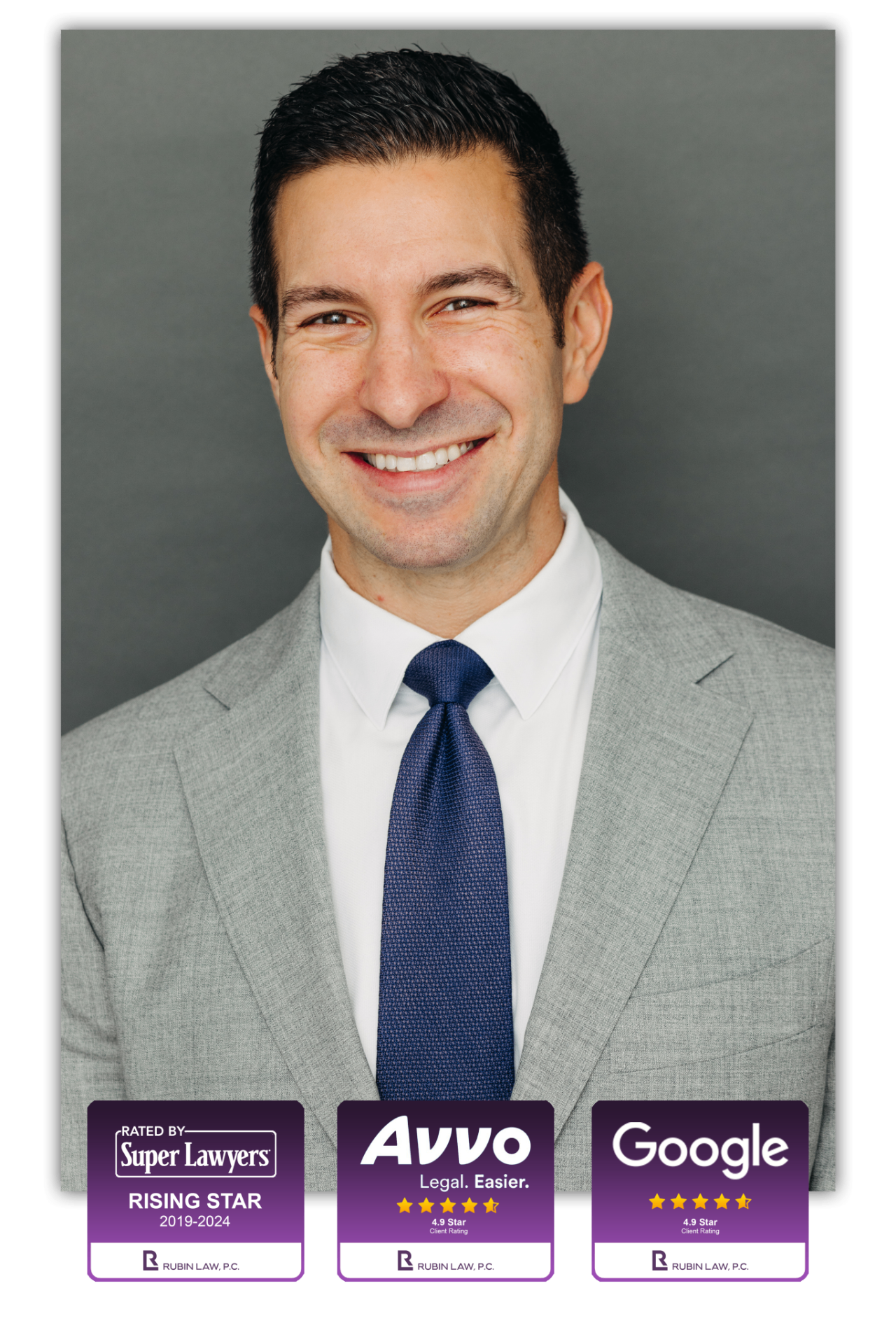
Daniel S. RubinVeterans Court Diversion Attorney
On This Page
Jump to a Section
01 — Quick Facts
PC §1001.80 Veterans Diversion — At a Glance
02 — What Is PC §1001.80?
The Veterans Diversion Statute — Treatment Instead of Prosecution
California Penal Code §1001.80 created the Veterans Diversion Program — a pretrial diversion track specifically for current and former members of the U.S. military who are facing criminal charges and have a mental health condition tied to their service. The statute recognizes that combat, deployment, and service-related trauma can drive criminal conduct that traditional prosecution fails to address.
Veterans Court operates as a collaborative court that coordinates with the VA, county mental health services, and community organizations to provide wraparound support for veteran defendants. The goal is to address the underlying conditions — PTSD, TBI, MST, substance use — that contributed to the charged offense, instead of layering incarceration on top of an untreated injury.
A veteran who successfully completes the Veterans Court program has all charges dismissed. No conviction is entered. In most cases, the arrest record is eligible for sealing.
03 — Eligibility
Who Qualifies for Veterans Diversion in Los Angeles?
Military Service
Current or former member of the U.S. Army, Navy, Marine Corps, Air Force, Space Force, Coast Guard, or National Guard.
Service-Connected Condition
Diagnosed mental health condition related to your military service — PTSD, TBI, military sexual trauma (MST), depression, anxiety, or substance use disorder linked to service.
Qualifying Offense
The charge is not one of the limited disqualifying offenses. Most misdemeanors and many felonies qualify. Certain serious violent offenses do not.
Consent to Program
You voluntarily agree to participate in the program and waive your speedy-trial rights for the duration of the diversion period.
04 — Veterans Court Process
How Veterans Court Works in Los Angeles County
- Defense attorney identifies veterans court eligibility and requests a referral.
- Military service is verified through discharge documents (DD-214) and VA records.
- A mental health evaluation connects your condition to your service history.
- The court accepts you into the Veterans Court program.
- Criminal proceedings are suspended — no guilty plea is entered.
- You participate in a customized treatment and supervision plan — VA services, therapy, medication, community service, regular check-ins.
- Regular status hearings before the Veterans Court judge track progress.
- On successful completion, all charges are dismissed and the record is eligible for sealing.
05 — VA Resources
VA Resources Available Through Veterans Court
- VA Greater Los Angeles Healthcare System — psychiatric, medical, and rehabilitative care.
- VA mental health services and substance use treatment programs.
- VA housing assistance including HUD-VASH and Supportive Services for Veteran Families.
- Vet Center counseling for combat trauma and MST.
- Veterans Service Organization (VSO) advocacy and benefits assistance.
Rubin Law coordinates directly with VA case managers, county Department of Mental Health, and community providers to build a treatment plan the Veterans Court will accept — before your first appearance.
06 — FAQs
Veterans Diversion Questions — Los Angeles
What military branches qualify for Veterans Court diversion in California?
All branches of the U.S. Armed Forces qualify — Army, Navy, Marine Corps, Air Force, Space Force, Coast Guard, and National Guard. Reservists activated for federal service also qualify. Proof of service is established through the DD-214 or equivalent.
Does my discharge status (honorable, general, other) affect eligibility?
PC §1001.80 does not require an honorable discharge. Veterans with general and other-than-honorable discharges can still qualify, though the court will consider service history in evaluating the diversion request. VA benefits eligibility for treatment services is a separate question that Rubin Law addresses in the treatment plan.
Can Veterans Court handle felony charges?
Yes. PC §1001.80 covers most misdemeanors and many felonies. Certain serious violent offenses — murder, rape, and a few others — are excluded. A significant portion of Los Angeles Veterans Court dockets involve felony diversions, particularly where PTSD, TBI, or substance use connect to the charged conduct.
What happens if I fail to complete the Veterans Court program?
If a defendant fails to comply with the treatment plan, the court can terminate diversion and reinstate criminal proceedings. The suspended charges resume from where they left off — the diversion period does not count as a conviction, but the case moves forward. Rubin Law works to address setbacks with plan modifications before termination.
How is Veterans Court different from Mental Health Court?
Both are collaborative courts, but Veterans Court is specific to service-connected conditions and coordinates directly with VA services. Mental Health Court under PC §1001.36 addresses any qualifying DSM-5 disorder regardless of service. Some veterans qualify for both — Rubin Law files under the statute that produces the best outcome for the case.
Where are Veterans Courts located in Los Angeles County?
LA County Veterans Court dockets operate in Van Nuys, the Clara Shortridge Foltz Criminal Justice Center downtown, and Compton. The venue depends on where the charges were filed. Rubin Law appears in all three.