
Felony Diversion
Felony Diversion in Los Angeles — Dismissed Without Conviction
The Right Time to File Is Now
Felony charged. Diversion granted. Case dismissed.
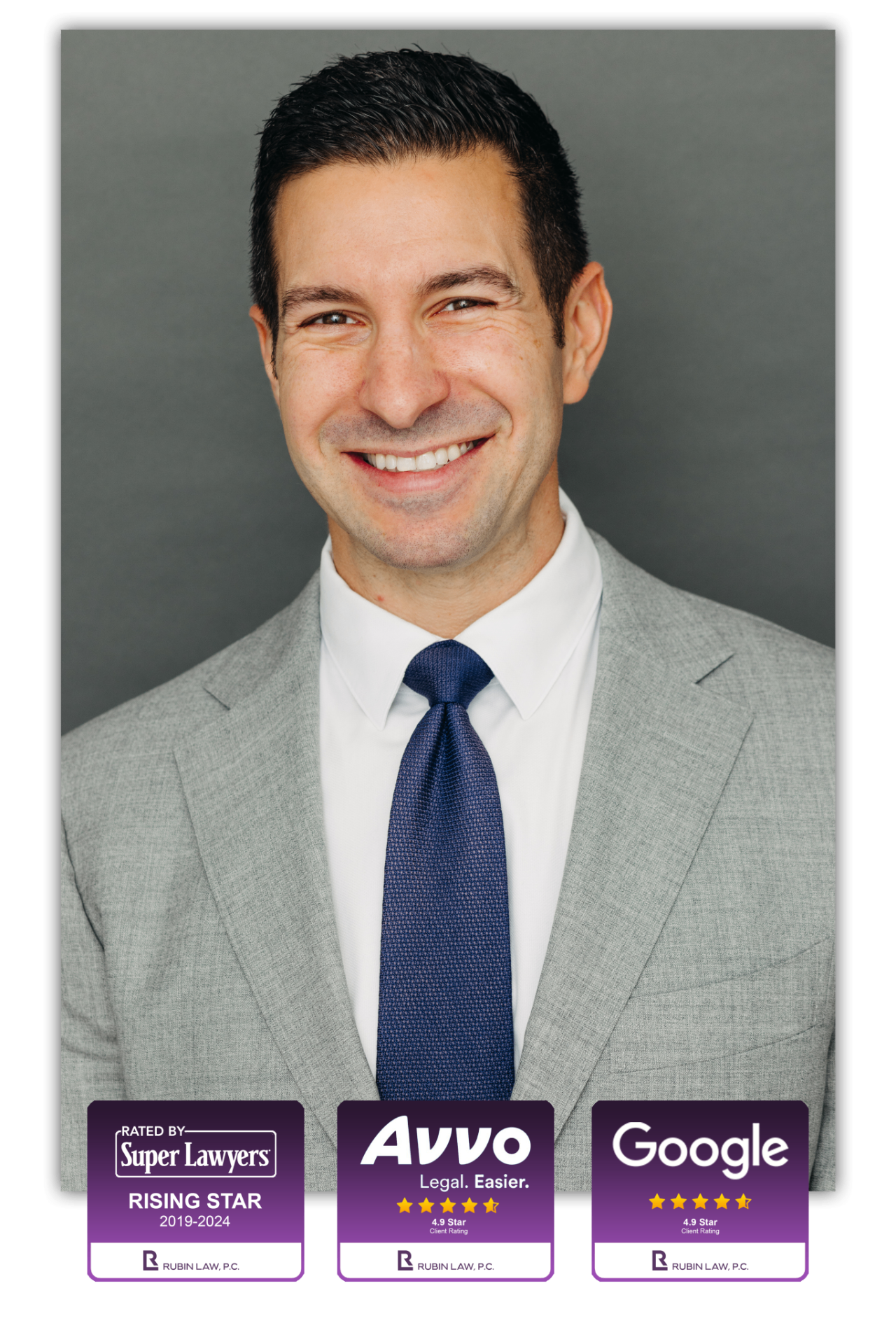
Daniel S. RubinFelony Diversion Attorney
01 — Quick Facts
Felony Diversion — At a Glance
02 — Which Felonies Qualify
Which Felony Charges Are Diversion-Eligible
Most non-violent and many violent felonies can qualify for diversion when a statutory vehicle applies. PC §1001.36 (mental health diversion) covers the widest range — including many assault, drug, weapons, theft, and financial-crime felonies where a DSM-5 disorder played a significant role in the offense.
Statutorily excluded from PC §1001.36 diversion: murder and voluntary manslaughter, rape, most sex offenses requiring PC §290 registration, and a small number of other enumerated crimes. Everything else — including many strike-eligible felonies — is at least statutorily available if the six §1001.36 criteria are met and the court finds no unreasonable risk to public safety.
03 — Statutory Vehicles
The Statutes That Drive Felony Diversion
PC §1001.36 — Mental Health Diversion
The primary vehicle for felony diversion. Requires a qualifying DSM-5 diagnosis, significant-factor causation, and treatment plan.
PC §1001.80 — Veterans Diversion
Felony diversion for current and former military members with service-connected mental health conditions.
PC §1000 — Drug Diversion
Covers certain simple-possession drug felonies with treatment plans and dismissal on completion.
04 — Prefile Intervention
Stop the Felony Before It Is Filed
The single most powerful diversion strategy for a felony is stopping the charge from being filed at all. During the prefile window — between arrest and filing — the DA has full discretion. Rubin Law uses this window to present treatment plans, mitigation packages, and diversion proposals directly to the filing deputy.
The result is often a misdemeanor filing, an informal diversion, or no filing at all. See Prefile Intervention for the full strategy.
05 — Outcome & Sealing
What Happens After Successful Felony Diversion
On successful completion of a felony diversion program, the court dismisses all charges. There is no conviction. The arrest record is eligible for sealing under the applicable statute — including PC §1001.36(i) for mental health diversion — and the defendant may lawfully answer "no" to arrest and conviction questions on most employment applications.
06 — FAQs
Felony Diversion Questions — Los Angeles
Can a felony be diverted in California?
Yes. California authorizes felony diversion primarily through PC §1001.36 (mental health), PC §1001.80 (veterans), and PC §1000 (certain drug offenses). Most felonies are statutorily eligible if the criteria are met and the court does not find an unreasonable risk to public safety.
What felonies qualify for diversion?
Most non-violent and many violent felonies qualify under PC §1001.36 when a DSM-5 disorder played a significant role in the offense. Statutorily excluded: murder, voluntary manslaughter, rape, and most PC §290 sex-registration offenses.
Is felony diversion the same as mental health diversion?
Not always — but PC §1001.36 mental health diversion is the primary vehicle for felony diversion. Other paths (veterans, drug diversion, prefile resolution) also apply depending on the case.
What is the difference between felony diversion and a plea deal?
In a plea deal you plead guilty and receive a conviction (often reduced) plus probation. In felony diversion you enter no plea, receive no conviction, and — on completion — the case is dismissed and the record is eligible for sealing.
Can I seal a felony diversion in California?
Yes. Successful completion of PC §1001.36 diversion allows the defendant to petition to seal the arrest record — and the arrest is deemed to never have occurred for most civil purposes.