
PC §1001.36 · Pretrial Diversion
Los Angeles Mental Health Diversion Attorney
Diversion Petitions Filed Early Win More Often
Suspend prosecution. Enter treatment. Dismiss the charge.
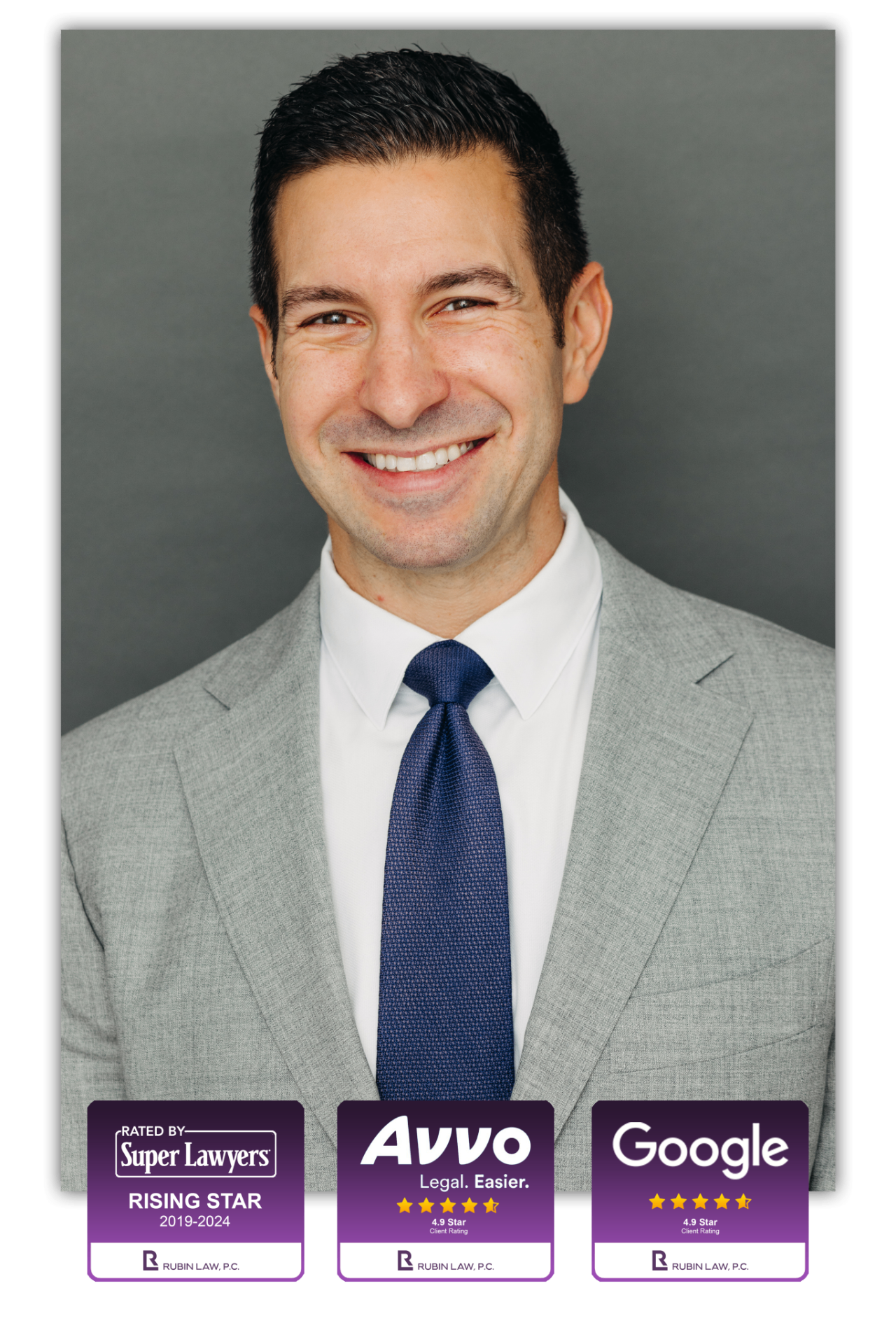
Daniel S. RubinMental Health Diversion Attorney
01 — Quick Facts
PC §1001.36 Diversion — At a Glance
02 — How Diversion Works
The Diversion Framework
Mental health diversion suspends prosecution — the criminal case pauses while the defendant participates in a court-approved treatment program. If the defendant substantially complies for the diversion period (up to 2 years), the court dismisses the case and, under PC §1001.36(j), the arrest is deemed to have never occurred.
Diversion is available at almost any stage of the case before adjudication — even after preliminary hearing. Judges have broad discretion to grant it, and Rubin Law's job is to present a forensic evaluation, treatment plan, and community-supervision structure that removes every reason for the court to say no.
03 — Eligibility (Six Elements)
What the Statute Requires
1. Qualifying Disorder
DSM-5 diagnosed condition — schizophrenia, bipolar, PTSD, MDD, and others. Antisocial personality disorder, borderline PD, and pedophilia are statutorily excluded.
2. Significant Factor in Offense
A qualified expert opines that the disorder was a significant factor in the commission of the charged offense.
3. Responsive to Treatment
The expert opines that the defendant's symptoms would respond to mental health treatment.
4. Consent & Waiver
Defendant consents to diversion, waives speedy trial rights, and agrees to comply with the treatment plan.
5. Agreement to Treatment
Defendant agrees to comply with treatment as a condition of diversion.
6. No Unreasonable Public Risk
Court finds the defendant will not pose an unreasonable risk of danger to public safety if treated in the community.
04 — Excluded Offenses
Charges Statutorily Barred From §1001.36
Effective January 2023 (SB 1223), the following offenses are excluded from §1001.36 diversion regardless of mental-health showing:
- Murder or voluntary manslaughter (PC §187, §192(a));
- Offenses requiring PC §290 sex-offender registration;
- Rape (PC §261) and related offenses;
- Lewd act on a child under 14 (PC §288);
- Assault with intent to commit rape or sodomy (PC §220);
- Commercial sexual exploitation of a minor (PC §236.1(b) or (c)).
All other offenses — including many serious and violent felonies — remain eligible with a strong showing on the six statutory factors.
05 — Process & Timeline
How a Diversion Case Moves
- 01
Forensic Evaluation
We retain a qualified psychiatrist or psychologist to conduct a diagnostic evaluation and prepare the §1001.36 declaration.
- 02
Treatment Plan
Coordinate with a licensed provider — outpatient, intensive outpatient, or residential — to build a program the court will approve.
- 03
Petition & Motion
File the diversion petition with expert declaration, treatment plan, and legal brief addressing all six factors.
- 04
DA Response & Hearing
The People respond and, if contested, an evidentiary hearing follows. Rubin Law prepares the client and expert for testimony.
- 05
Court Order & Supervision
Judge grants diversion, sets the term, and orders periodic progress reports (typically every 6 months).
- 06
Dismissal
On successful completion, the court dismisses the case and enters the §1001.36(j) order deeming the arrest to never have occurred.
06 — Outcomes
What Success — and Failure — Looks Like
Successful completion. The court dismisses the case, records are sealed, and the arrest is deemed to have never occurred for private-employment and most licensing purposes. Certain law-enforcement disclosures remain.
Unsuccessful termination. If the defendant is charged with a new offense, a felony, or performs unsatisfactorily, the court may terminate diversion and reinstate the criminal case. Rubin Law advocates for graduated sanctions and plan modifications before termination is considered.
07 — FAQs
Mental Health Diversion Questions — Los Angeles
Am I eligible for mental health diversion?
You are potentially eligible if you have a DSM-5 diagnosis (other than antisocial personality disorder, borderline personality disorder, or pedophilia), the condition was a significant factor in the offense, you would respond to treatment, you agree to participate, and the offense is not one of the statutorily excluded categories added by SB 1223 in 2023.
Does diversion apply to felonies?
Yes. PC §1001.36 applies to both misdemeanors and felonies, with a maximum diversion period of 2 years for either. Post-SB 1223, however, certain serious offenses — murder, PC §290-registerable sex offenses, and a handful of others — are excluded regardless of mental-health showing.
How do I get a forensic evaluation?
Rubin Law retains qualified forensic psychiatrists or psychologists. Cost is often covered under fee arrangements, and in many cases Medi-Cal or private insurance can pay for underlying treatment. The evaluation must address each element of §1001.36 to be persuasive.
Is my arrest record cleared after successful diversion?
Yes. Under PC §1001.36(j), the arrest is deemed to have never occurred for most purposes upon successful completion. You can lawfully answer 'no' when asked about arrests in most private-employment and most licensing contexts, subject to specific exceptions.
What if the DA opposes diversion?
That is common in more serious cases. Rubin Law prepares a full evidentiary hearing: expert testimony, treatment-provider testimony, family and community-support witnesses, and legal briefing addressing every argument the DA typically raises. Judges have final discretion — and strong petitions win contested hearings.
Can I be revoked from diversion?
Yes, for new offenses, felony charges, or unsatisfactory performance. The statute favors graduated sanctions over immediate termination. Rubin Law fights termination by proposing plan modifications, treatment intensifications, or supervised residential settings before the court reinstates prosecution.
Does diversion work for veterans?
Veterans also qualify for military diversion under PC §1001.80. That statute has separate eligibility criteria and covers combat-related mental health conditions. In many cases we file under both statutes for maximum protection.
How long does the diversion process take?
From petition filing to court order, typically 60-120 days depending on court calendar and whether the DA contests. The diversion period itself is up to 2 years — but many clients complete faster with intensive engagement and can petition for early termination.