
Stop the Case Before Trial
Pre-Trial Diversion in Los Angeles — Stop the Case Before Trial
Earlier Filing = Higher Approval
Pre-trial. Pre-conviction. Pre-record.
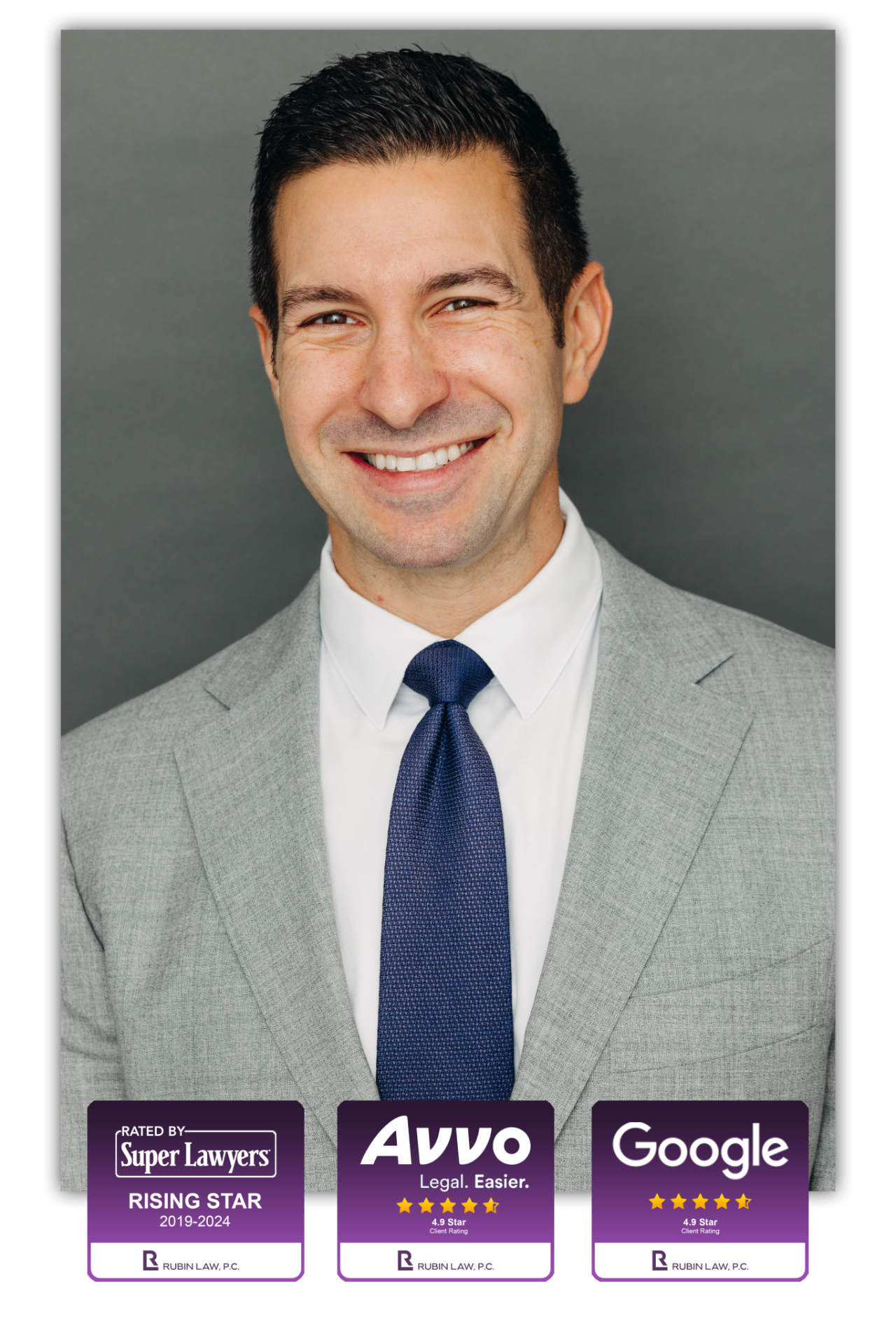
Daniel S. RubinPre-Trial Diversion Attorney
On This Page
Jump to a Section
01 — Quick Facts
Pre-Trial Diversion — At a Glance
02 — What Is Pre-Trial Diversion
Diversion Before the Case Moves to Trial
Pre-trial diversion is any diversion entered before trial — often before or at arraignment. Criminal proceedings are suspended while the defendant completes a program. Unlike post-conviction programs (probation, expungement), pre-trial diversion prevents a conviction from being entered at all.
The California statutes that authorize pre-trial diversion — PC §1001.36 (mental health), §1001.95 (judicial misdemeanor), §1001.80 (veterans), and §1000 (drug possession) — all share the same structure: no guilty plea, suspended proceedings, program completion, and dismissal.
03 — Governing Law
The Four Statutes Behind Pre-Trial Diversion
PC §1000 — Drug Diversion
PC §1001.36 — Mental Health Diversion
PC §1001.80 — Military Diversion
PC §1001.95 — Judicial Diversion
04 — Who Is Eligible
Matching the Charge and the Client to the Right Statute
"Pre-trial diversion" is not one program. It is the umbrella term for every statute that lets the court pause the prosecution before a plea or trial. Eligibility is decided statute by statute, so the first job in any case is matching the charge and the client's background to the vehicle that fits.
- Drug possession (PC §1000): the charge must be one of the listed offenses; within five years before the offense the defendant must have no conviction for another controlled-substance offense outside the list; the offense must not involve violence or threatened violence; there must be no evidence of a contemporaneous narcotics violation outside the list; and the defendant must have no felony conviction within five years.
- Mental health (PC §1001.36): a qualifying diagnosis, a mental disorder that was a significant factor in the offense (presumed unless the court finds clear and convincing evidence otherwise), an expert opinion that symptoms would respond to treatment, consent and a speedy-trial waiver, agreement to comply with treatment, and no unreasonable risk of danger to public safety. Murder, voluntary manslaughter, rape and other enumerated offenses are excluded.
- Military (PC §1001.80): current or former service, plus a service-related condition of the kind the statute lists.
- Judicial (PC §1001.95): a misdemeanor that is not one of the statute's excluded offenses; the court decides whether diversion is appropriate.
A client may qualify under more than one statute. When that happens, we compare the program length, conditions, and record effect of each before choosing which to request first.
05 — Choosing Between Statutes
When More Than One Diversion Statute Fits
Program length
Who decides
What the program requires
Record rules
06 — When to File
How Early Can Diversion Be Requested
The strongest pre-trial diversion outcomes happen at the earliest stages — during the prefile window, at arraignment, or immediately after. Filing a §1001.36 or §1001.95 motion before the DA has fully committed to a prosecution strategy dramatically increases the probability of approval.
07 — Court Process
How a Pre-Trial Diversion Request Moves Through Court
- 01
Arrest and prefile window
Before charges are filed, the prosecutor decides what to file. Mitigation and treatment enrollment presented at this stage can shape the filing decision itself. - 02
Arraignment and pre-plea posture
At arraignment the defendant enters a not-guilty plea. Every statutory diversion route above operates without a guilty plea, so keeping a not-guilty posture preserves the request. - 03
Motion or referral
Depending on the statute, the defense files a written motion (PC §1001.36, §1001.80, §1001.95) or the prosecutor's eligibility review triggers referral (PC §1000). We attach evaluations, treatment plans and mitigation. - 04
Eligibility and suitability hearing
The court hears from the defense and the prosecution and decides whether the statutory criteria are met and whether diversion should be granted. - 05
Diversion order and program
If granted, criminal proceedings are suspended. The court sets the program and the diversion period within the statute's limits, and orders progress reports. - 06
Progress reviews
The court monitors compliance through reports and review dates. The defense addresses missed sessions or new problems before they become grounds for termination. - 07
Completion and dismissal
When the defendant performs satisfactorily, the court dismisses the charges under the applicable statute.
08 — Programs Available
Pre-Trial Diversion Programs in LA County
- Mental health treatment programs (individual, group, medication management).
- Substance-use treatment through PC §1000 pretrial drug diversion.
- Veterans Court services coordinated with the VA.
- Anti-theft, anger management, and DV batterer-intervention courses.
- Community service and restitution programs.
- Educational and vocational programs (in specialized calendars).
09 — Outcome on Completion
What Successful Completion Actually Means
Every statutory pre-trial diversion program ends the same way when the defendant performs satisfactorily: the court dismisses the charges. Because no plea was entered, there is no conviction to set aside later.
The statutes also limit the arrest record. PC §1000.4 provides that after dismissal the arrest is deemed never to have occurred; PC §1001.36 and PC §1001.97 (for §1001.95 judicial diversion) contain similar provisions. Each statute keeps narrow exceptions — for example, disclosure on an application for a position as a peace officer, and access by criminal justice agencies. Diversion is therefore not the same as erasing every trace of the case, and it is not an expungement under PC §1203.4 (which applies only after a conviction).
It is also different from the deferred entry of judgment (DEJ) model that PC §1000 used before 2018, which required a guilty plea that was later set aside. DEJ still exists in juvenile court under Welfare and Institutions Code §790, but adult drug diversion under PC §1000 no longer requires a plea.
10 — If Diversion Is Terminated
What Happens if Diversion Is Terminated
Diversion can be terminated if the defendant performs unsatisfactorily in the program, is convicted of certain new offenses during diversion, or — under PC §1001.36 — is charged with an additional offense that reflects a propensity for violence, or is gravely disabled. Each statute requires notice and a hearing before criminal proceedings are reinstated.
If diversion ends, the case returns to where it was paused. The defendant still has a not-guilty plea and every defense, including motions to suppress and trial. Because no admission of guilt was required to enter the program, termination does not by itself produce a conviction.
At a termination hearing we present evidence of the client's progress, explain any setbacks, and ask the court to modify conditions instead of ending the program.
11 — Prefile Overlap
Prefile Intervention Is the Ultimate Pre-Trial Strategy
The earliest form of pre-trial diversion is prefile intervention — resolving the case before it is filed at all. When successful, prefile intervention functions as the strongest possible pre-trial diversion: no case, no record, no ongoing court supervision.
12 — How We Fight for It
How Rubin Law Secures Pre-Trial Diversion
Early statute selection
Evidence-backed motions
Preserving every defense
Compliance support
13 — FAQs
Pre-Trial Diversion Questions — Los Angeles
What is pre-trial diversion in California?
Pre-trial diversion is any diversion entered before trial. Criminal proceedings are suspended while the defendant completes a program. On completion, the case is dismissed — no plea, no conviction, no permanent record.
How early in the case can I get diversion?
Diversion can be requested at any stage before trial. The strongest results come from early filings — during the prefile window or at arraignment — when the DA has not yet fully committed to a prosecution strategy.
Is pre-trial diversion available for felonies?
Yes. PC §1001.36 mental health diversion and PC §1001.80 veterans diversion both reach many felonies. Certain drug felonies also qualify under PC §1000.
What programs are available for pre-trial diversion in LA?
Mental health treatment, substance-use counseling, veterans-court services, anti-theft and anger-management classes, community service, restitution, and specialty-court programs are all available depending on the vehicle.
Can the DA offer pre-trial diversion without the judge's involvement?
Yes — DA-level informal diversion is entirely at the prosecutor's discretion and does not require a court motion. It often produces the fastest resolution when it applies.
Do I have to plead guilty to get pre-trial diversion in California?
No. PC §1000, §1001.36, §1001.80 and §1001.95 all operate without a guilty plea. The defendant keeps a not-guilty plea while proceedings are suspended, and the charges are dismissed on successful completion.
When should diversion be requested?
As early as possible — ideally before arraignment, through prefile advocacy, or at arraignment. PC §1001.36 can be requested at any point before adjudication, but early requests give the court the most options and keep the client out of long pretrial litigation.
Is drug diversion under PC 1000 still deferred entry of judgment?
No. AB 208 changed PC §1000 to pretrial diversion effective January 1, 2018. The defendant pleads not guilty, and the diversion period is 12 to 18 months under PC §1000.2, with extensions for good cause.
Will diversion erase my arrest?
The diversion statutes provide that, after dismissal, the arrest is deemed never to have occurred, with narrow exceptions such as peace officer applications and access by criminal justice agencies. It is a strong record outcome, but not a guarantee that every record of the arrest disappears.
What if I don't finish the program?
The court must hold a hearing before ending diversion. If diversion is terminated, the case resumes where it was paused, and the defendant can still contest the charges or pursue another resolution.
Can I get diversion if I already have a prior record?
Sometimes. PC §1000 has specific prior-record limits, including no felony conviction within five years and no other controlled-substance conviction outside the listed offenses within five years. §1001.95 and §1001.36 leave more to the court's discretion, so a prior record is weighed rather than automatically disqualifying.
California Law Guides
Related California Laws — Pre-Trial Diversion
Deep-dive statute explainers from our Laws Hub — how each charge is filed, defended, and sentenced in California courts.
Drug Diversion California
Read the Full GuideArraignment in California
An arraignment is the first formal court appearance where charges are read, a plea is entered, and bail is set.
Read the Full GuideWhat Happens After an Arrest in California
The hours and days after an arrest in California are critical.
Read the Full GuidePlea Bargaining California
Over 90% of California criminal cases resolve through a plea bargain rather than trial.
Read the Full GuideSealing Arrest Records California
An arrest that did not result in conviction can be sealed and destroyed under California law.
Read the Full GuideHow to Expunge a Record in California
Expungement under PC §1203.4 dismisses a conviction after probation is completed.
Read the Full Guide