
Court-Supervised Diversion
Formal Diversion Programs in Los Angeles
Formal Diversion Requires an Early Filing
Court-supervised. Program-based. Dismissal on completion.
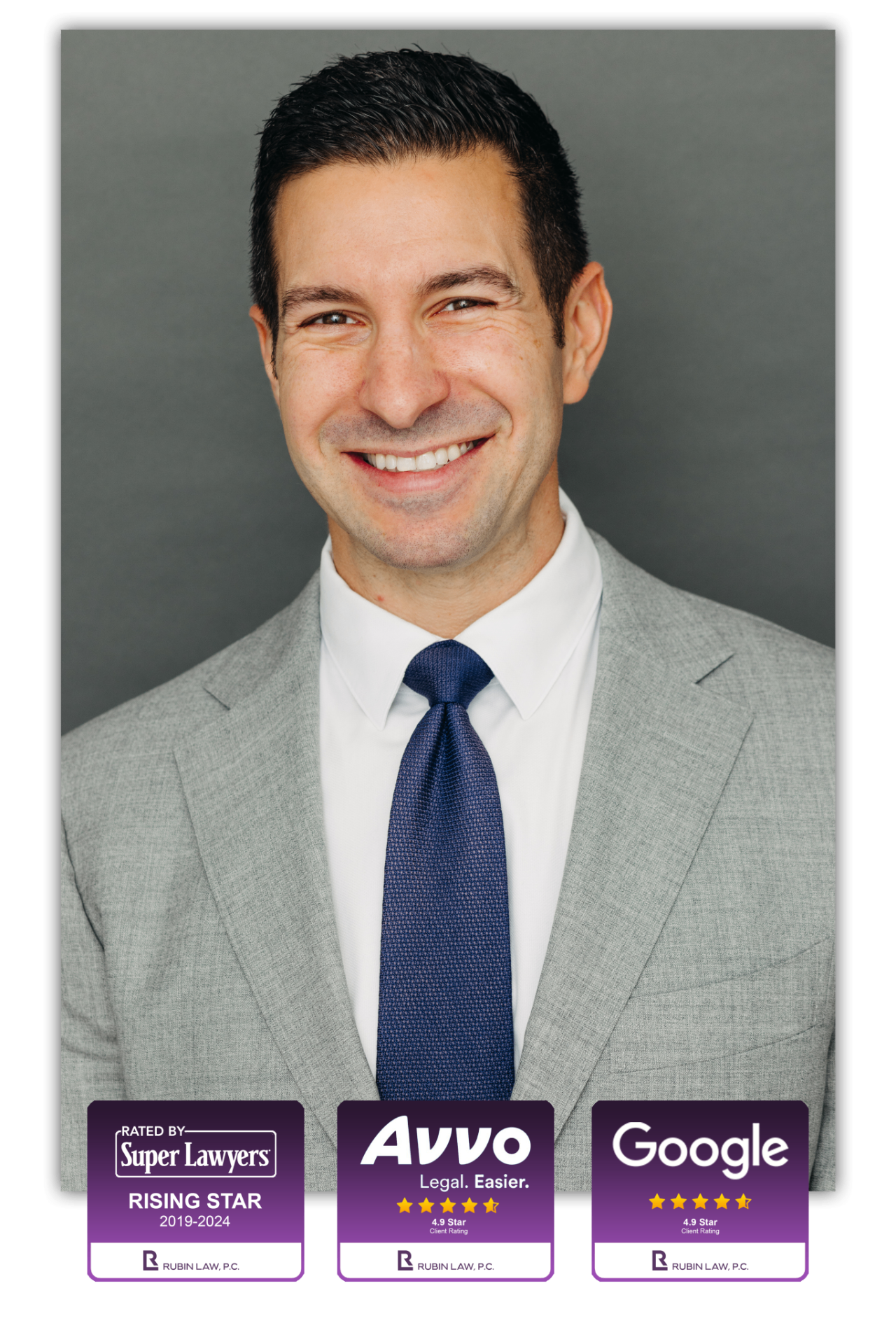
Daniel S. RubinFormal Diversion Attorney
01 — Quick Facts
Formal Diversion — At a Glance
02 — What Is Formal Diversion
Court-Supervised Diversion, Explained
Formal diversion is a court-authorized pathway that suspends prosecution while the defendant completes a structured program under judicial supervision. Unlike informal DA-level diversion, formal diversion is entered on the court's record, includes periodic status hearings, and produces a formal dismissal order on completion.
The two most common formal-diversion vehicles in Los Angeles are PC §1001.95 (misdemeanor judicial diversion under AB 3234) and PC §1001.36 (mental health diversion). Both allow the judge to grant diversion — over DA objection where the statute authorizes it.
03 — Formal vs Informal
How Formal Diversion Differs From Informal
| Formal Diversion | Informal Diversion | |
|---|---|---|
| Authority | Court / judge | DA's office |
| Filed | Yes — after filing / arraignment | Often before filing |
| Supervision | Status hearings | DA-set conditions |
| Outcome | Court-ordered dismissal | Case not filed / dismissed |
04 — Program Requirements
What a Formal Diversion Program Requires
- Enrollment in and completion of a court-approved program — treatment, counseling, classes, or community service.
- Periodic status hearings before the assigned judge.
- No new arrests or law-violation contacts during the diversion period.
- Payment of restitution (if any) and completion of any additional court-ordered conditions.
- Regular reporting through a program coordinator or approved provider.
05 — Status Hearings & Completion
How Completion Leads to Dismissal
Status hearings — typically every 60 to 120 days — let the court verify compliance with the program. Rubin Law appears at each status conference, presents progress documentation, and addresses any compliance issues before they escalate to a termination motion.
On successful completion, defense counsel files (or the court enters) the dismissal order. In many programs, the arrest record is eligible for sealing immediately after dismissal.
06 — FAQs
Formal Diversion Questions — Los Angeles
What is formal diversion in California?
Formal diversion is a court-supervised program that suspends criminal proceedings while the defendant completes required conditions — treatment, counseling, community service. On successful completion, the court dismisses the charges. Common vehicles include PC §1001.95 and PC §1001.36.
How is formal diversion different from informal diversion?
Formal diversion is court-supervised and entered on the record, with status hearings and a formal dismissal order. Informal diversion is handled at the DA level — often before filing — and does not produce a court record of the diversion itself.
What are the program requirements for formal diversion?
Typical requirements include enrollment in an approved program, periodic status hearings, no new arrests, completion of any court-ordered treatment or community service, and payment of restitution where applicable.
Can formal diversion be used for felonies?
Yes — through PC §1001.36 mental health diversion and PC §1001.80 veterans diversion, both of which reach many felonies. PC §1001.95 judicial diversion is limited to misdemeanors.
What courts in LA County offer formal diversion?
Every LA County Superior Court criminal branch handles formal diversion under §1001.36 and §1001.95. Some branches have specialty calendars for mental health, veterans, and collaborative-court diversion.