
Juvenile Defense · Los Angeles County
Los Angeles Juvenile Defense Attorney
Child Detained or Cited?
Delinquency defense. Fitness hearings. Record sealing.
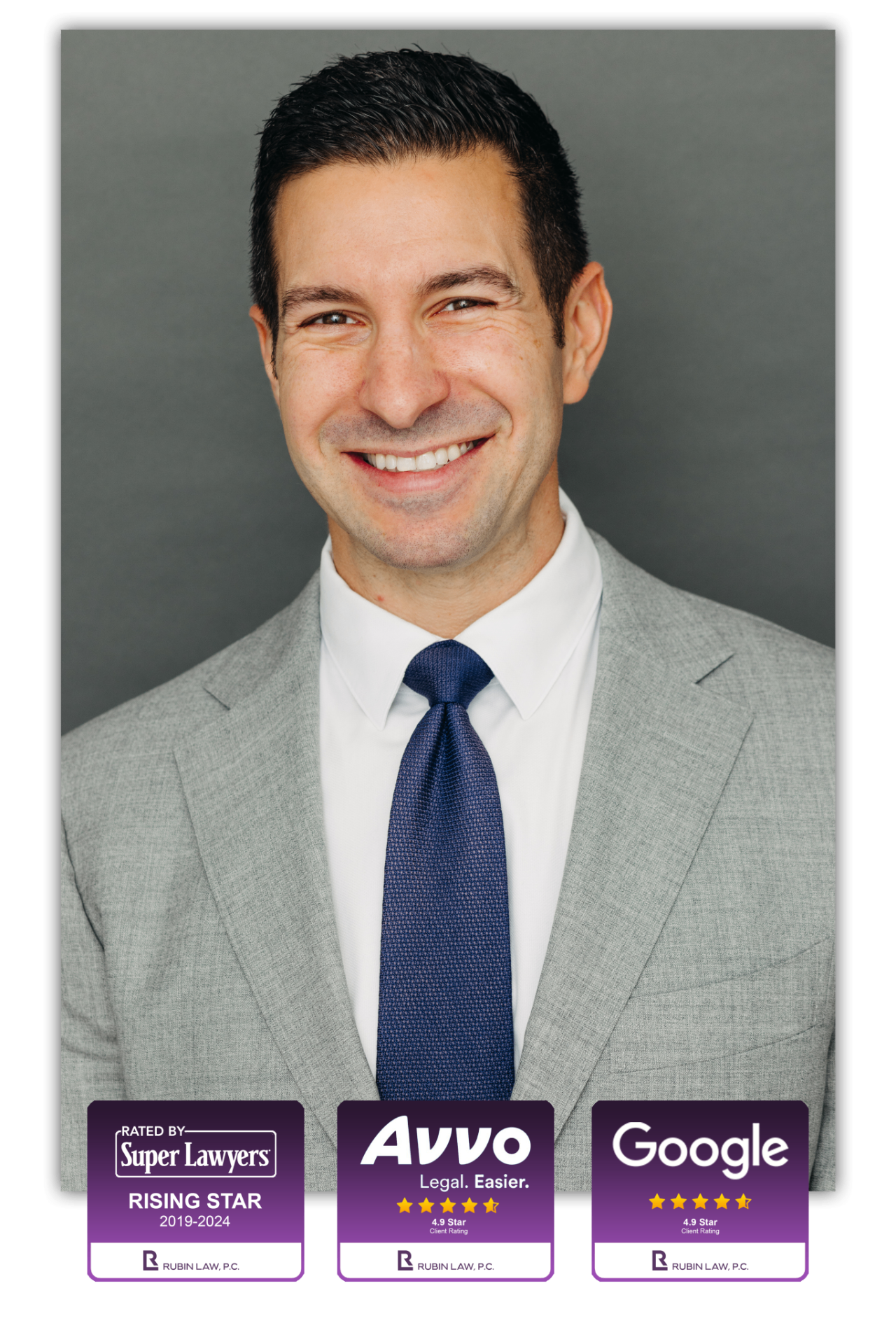
Daniel S. RubinJuvenile Defense Attorney
01 — Quick Facts
Juvenile Delinquency — At a Glance
02 — The Juvenile System
How Juvenile Court Works
California juvenile court operates under the Welfare & Institutions Code, not the Penal Code. A minor is not "convicted" — they are "adjudicated" a ward of the court under WIC §602 (opens in new tab). There are no juries; adjudications are decided by a juvenile court judge.
The system emphasizes rehabilitation, but that does not mean the consequences are light. Certain offenses trigger fitness hearings under WIC §707, where the DA seeks to transfer 16- and 17-year-olds to adult criminal court — with adult sentences, adult records, and the loss of every juvenile-specific protection.
03 — Dispositions
Juvenile Court Dispositions — What Your Child Is Facing
| Disposition | Statute | Custody | Duration | Sealable? | Ward Status |
|---|---|---|---|---|---|
| Informal Diversion | WIC §654 | None | 6 months typical | Yes — WIC §786 | No true finding |
| Deferred Entry of Judgment (DEJ) | WIC §790 | None | Up to 3 yrs | Yes on completion | Dismissed & sealed |
| Informal Probation | WIC §725 | Home supervision | 6 months | Yes | No ward status |
| Formal Wardship | WIC §602 | Home / camp / SYTF | Until 21 (or 25 SYTF) | Yes (most) | Ward of court |
| Camp Placement | WIC §730 | 6–9 mo county camp | 6–9 months | Yes | Ward |
| Secure Youth Track (SYTF) | WIC §875 | County secure facility | Baseline term through age 25 | Limited | Ward |
| §707 Adult Transfer | WIC §707 | Adult prison | Adult sentence | No | Adult conviction |
WIC §707(b) offenses committed at 16 or older are not sealable and count as strikes in later adult prosecutions. Automatic sealing under §786 protects most other cases at case-closure or age 18.
Additional Consequences Beyond the Courtroom
- Automatic sealing under WIC §786 on successful probation completion
- Petition-based sealing under WIC §781 for most other cases
- §707(b) offenses at age 16+ can count as strikes in adult court
- Immigration: certain adjudications count as convictions federally
- College application impact until sealed
- Employment background exposure until sealed
- Firearm restrictions until age 30 on gun-adjacent adjudications
- Loss of state DJJ (2023) — county-based placements only
04 — Court Process
How Juvenile Cases Move Through Court
1
Arrest or Citation
Minor is booked or cited and released to parents. Detention decision follows.
2
Detention Hearing
Within 48 hours (72 with weekend). Release, home supervision, or juvenile hall.
3
Filing Decision
Probation and DA jointly decide informal handling, §602 petition, or §707 transfer motion.
4
Fitness Hearing (if filed)
For 16+ minors on WIC §707(b) offenses. Adult court transfer determined here.
5
Jurisdictional Hearing
Bench trial equivalent — DA proves the allegations beyond a reasonable doubt.
6
Dispositional Hearing
Sentencing phase. Court selects placement, probation, and rehabilitative programs.
7
Sealing (WIC §781)
Records sealed after successful completion, often automatically at 18.
05 — Possible Outcomes
Possible Outcomes in a Juvenile Case
Case Dismissed or Not Filed
The best possible outcome — no conviction, no record.
- WIC §700.1 suppression motions to exclude unlawfully obtained evidence
- Informal handling and diversion instead of a petition
- Dismissal at jurisdictional hearing on failure of proof
Reduced Petition
- Felony petition reduced to misdemeanor before disposition
- Removal of gang or firearm enhancements
- Deferred entry of judgment under WIC §790
Minimized Sentence
If a conviction cannot be avoided, we fight for the lowest possible exposure.
- Home-based probation instead of camp or DJJ
- Wraparound services and mental-health placement
- Restitution and community-service dispositions
Diversion & Sealing
- Informal diversion under WIC §654
- Sealing of juvenile records under WIC §781 and §786
- Transfer-hearing defense to keep the case in juvenile court
06 — Defense Strategies
How We Fight Juvenile Cases
Detention Advocacy
Release from juvenile hall changes everything — school continuity, family support, and rehabilitation prospects.
Fitness Defense
Keeping the case in juvenile court is often the entire ballgame.
- We prepare psycho-social evaluations and rehabilitation plans.
Diversion & DEJ
First-offender diversion and DEJ dismiss and seal the case on completion — the best outcome available.
Suppression
School searches, Miranda-in-custody rules, and parental-consent doctrines are minor-specific and often violated.
Rehabilitation Plan
Judges want a plan.
- We build one — school, counseling, mentoring, and community involvement — that becomes the court's order.
Record Sealing
Automatic and petition-based sealing under §781/§786 protects education, employment, and licensing futures.
07 — Record Sealing
Sealing a Juvenile Record
Under WIC §781 (opens in new tab) and §786, most juvenile records can be sealed — meaning they are treated, by operation of law, as if they never existed. A sealed record does not appear on background checks, does not require disclosure on employment or college applications (with limited exceptions), and legally permits the person to answer "no" when asked if they were ever adjudicated.
Some offenses — including WIC §707(b) offenses committed at 14 or older — are not sealable. We evaluate each case for both automatic sealing under §786 and petition-based sealing under §781, and we identify collateral records (FBI, DMV, immigration) that must be pursued separately.
08 — FAQs
Juvenile Defense Questions — Los Angeles
Can a minor be tried as an adult in California?
Yes, but only after a WIC §707 fitness hearing for minors 16 or 17 charged with certain enumerated serious/violent offenses. Following Prop 57 (2016), no direct filing in adult court is permitted — the juvenile court must first decide fitness.
Does my child have a right to a jury trial?
No. Juvenile jurisdictional hearings are decided by a juvenile court judge — there is no jury. The adjudication standard is still proof beyond a reasonable doubt (In re Winship).
Will a juvenile adjudication appear on background checks?
Until sealed, yes — most background checks reveal juvenile arrests and adjudications. Once sealed under WIC §781 or §786, the record is treated as if it never existed for most purposes, including private employment and college admission.
What is a WIC §707(b) offense?
Enumerated serious/violent felonies including murder, robbery with GBI, forcible sex offenses, kidnapping, and firearm-use offenses. These offenses trigger fitness hearings, are not eligible for automatic sealing, and count as strikes if committed at 16 or older.
Can juvenile adjudications count as strikes?
Yes, in limited circumstances. Adjudications for WIC §707(b) offenses committed at 16 or older can count as strikes in later adult prosecutions under the Three Strikes Law.
How long does a juvenile case take?
Non-detention cases typically resolve in 60–120 days. Detention cases move faster — jurisdictional hearing within 15 days of detention. Complex or contested §707 fitness hearings can extend to 6+ months.
Can my child's record be sealed automatically?
Yes, under WIC §786 many records are automatically sealed after successful completion of probation or diversion. Petition-based sealing under WIC §781 is available at any time after jurisdiction terminates and the minor turns 18 (or 5 years pass).
Should we hire a private juvenile defense attorney?
Public defenders are excellent trial lawyers, but their caseloads limit the time available for the pre-filing intervention, mitigation development, and disposition planning that produce diversion and dismissed cases. Private counsel is most impactful in the pre-adjudication phase.