
AOT · PC §1370 · CARE Court
Treatment Over Jail — Los Angeles Mental Health Sentencing
Multiple Paths — One Goal
AOT. PC §1370. CARE Court. Mental-health probation.
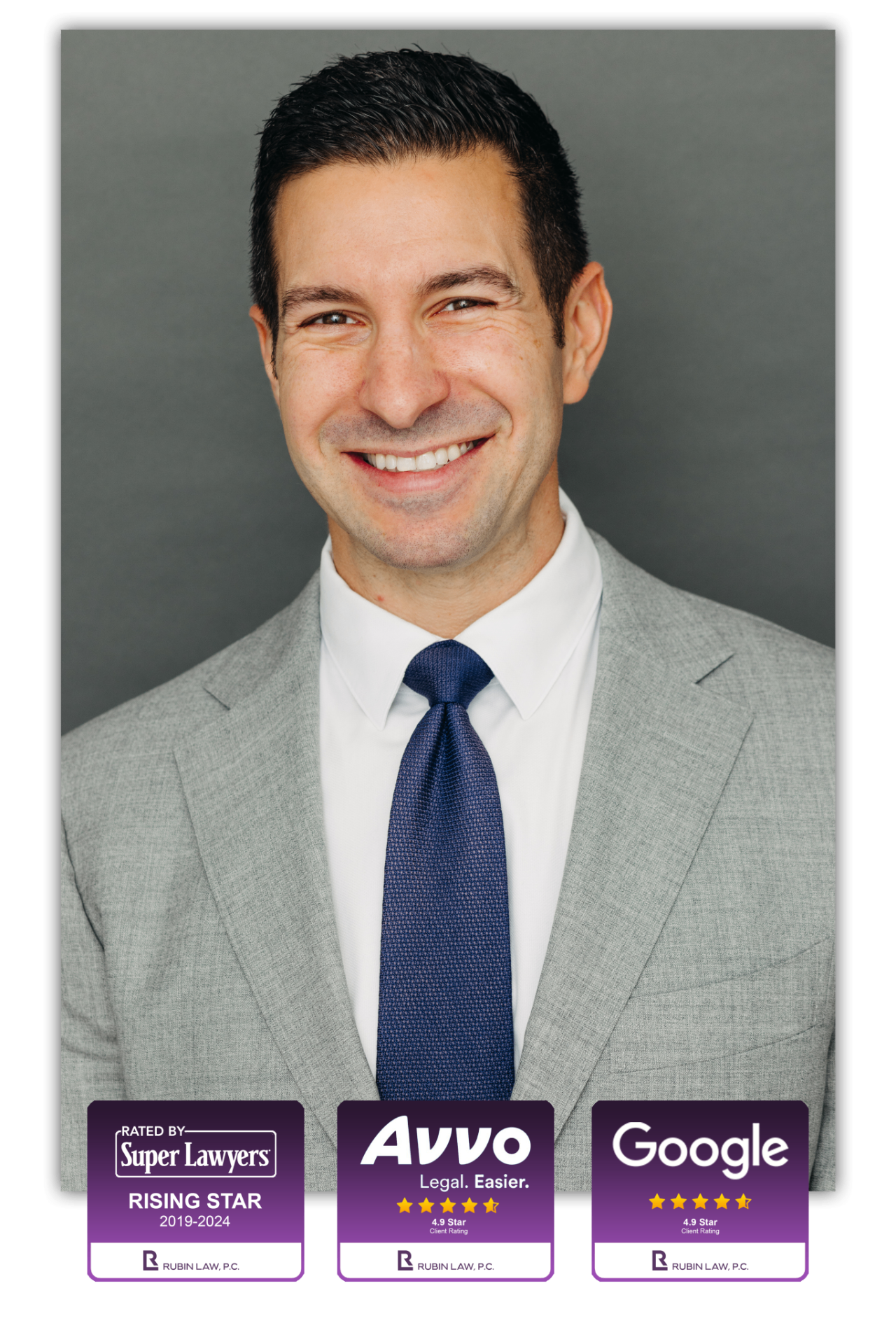
Daniel S. RubinMental Health Sentencing Attorney
01 — Quick Facts
Treatment-Over-Jail Options — At a Glance
02 — Treatment Pathways
The Five Statutory Options
Pretrial Diversion (PC §1001.36)
Suspends prosecution and enters treatment. Dismissal on successful completion.
Competency Restoration (PC §1370)
For defendants unable to understand proceedings — treatment to restore competence.
AOT / Laura's Law (WIC §5346)
Court-ordered outpatient treatment without hospitalization.
CARE Court (WIC §5972)
Civil pathway to court-supervised treatment for schizophrenia-spectrum disorders.
MH Probation Terms (PC §1203.097)
Traditional probation with mental-health treatment as a condition.
Sentencing Alternatives (PC §1170.9)
Veterans and others with combat-related MH conditions — treatment in lieu of prison.
03 — PC §1370 Competency
When the Defendant Cannot Assist Counsel
Under Dusky v. United States and PC §1367, a defendant who cannot understand the proceedings or assist counsel is incompetent to stand trial. Criminal proceedings pause under §1370 while the defendant receives restoration treatment — typically at a Department of State Hospitals facility or, increasingly, community-based programs.
Recent reforms (AB 1810, SB 317) have moved many §1370 defendants from state hospitals into community-based restoration — Diversion, CONREP outpatient, or county mental-health facilities. Rubin Law fights for community placement whenever clinically appropriate.
04 — Assisted Outpatient Treatment
Laura's Law and Court-Ordered Outpatient
Assisted Outpatient Treatment (AOT), authorized by WIC §5346, allows courts to order intensive outpatient treatment for people with serious mental illness who meet specific criteria — including prior hospitalizations, recent decompensation, and clinical determination that outpatient treatment is the least-restrictive appropriate alternative.
Rubin Law represents individuals in AOT petitions — both when the government seeks to impose treatment and when the client seeks to challenge or shape it. Successful AOT engagement often prevents future criminal cases and creates a track record that supports diversion or dismissal in existing ones.
05 — CARE Court
Community Assistance, Recovery & Empowerment
California's CARE Act, effective 2023 in Los Angeles County, created a new civil pathway (WIC §5972) for court-supervised treatment of adults with untreated schizophrenia-spectrum and psychotic disorders. The court can approve a "CARE plan" including behavioral health services, stabilization medication, and supported housing — for up to 2 years.
CARE Court is not criminal, but it intersects criminal defense: engagement in CARE treatment supports diversion, sentencing mitigation, and pretrial-release positions. Rubin Law coordinates CARE participation with pending criminal cases.
06 — Mental-Health Probation
When Probation Terms Do the Work
Where diversion is not available, sentencing to mental-health-informed probation is often the next-best outcome. Terms typically include compliance with a treatment plan, psychiatric medication as prescribed, individual and group therapy, and supervised living arrangements. Successful probation completion positions the client for §17(b) reduction, §1203.4 expungement, and reduced probation term under §1203.3.
For veterans with combat-related mental-health conditions, PC §1170.9 provides enhanced sentencing options including in-lieu treatment terms and Veterans Treatment Court placement.
07 — FAQs
Treatment Over Jail Questions — Los Angeles
What if I'm found incompetent to stand trial?
Criminal proceedings pause and PC §1370 restoration begins — typically 60 days to 2 years of treatment aimed at restoring competency. If restoration succeeds, the case resumes; if not, alternative dispositions (LPS conservatorship, dismissal, or civil commitment) apply.
How is CARE Court different from mental health diversion?
CARE Court is a civil proceeding under WIC §5972 — no criminal charge is required. It creates a court-supervised treatment plan for up to 2 years. Mental Health Diversion (PC §1001.36) is a pretrial criminal option that suspends prosecution and dismisses the case on completion. The two can run in parallel — CARE engagement strengthens a diversion petition.
Can I get treatment as part of my sentence?
Yes. Judges routinely impose mental-health treatment, medication compliance, and residential placement as conditions of probation. For veterans, PC §1170.9 authorizes in-lieu treatment. Rubin Law builds the sentencing package — provider agreements, insurance authorization, family support — that makes the offer credible.
What is Assisted Outpatient Treatment?
AOT (Laura's Law, WIC §5346) is court-ordered outpatient treatment for people with serious mental illness who meet specific clinical criteria. It requires intensive engagement — usually including medication, therapy, and case management — but avoids inpatient hospitalization. AOT engagement often prevents criminal cases from being filed.
Can competency restoration happen outside a state hospital?
Increasingly, yes. Recent reforms (SB 317, AB 1810) moved many misdemeanor and lower-level felony §1370 defendants into community-based restoration — outpatient CONREP, county mental-health facilities, and diversion programs. Rubin Law fights for community-based restoration whenever appropriate to avoid the trauma of state-hospital placement.
What if the court orders treatment I can't afford?
Most court-ordered mental-health treatment in Los Angeles is provided through the county Department of Mental Health, Medi-Cal, or specialty court programs — at no or low cost to the client. Where private treatment is required, Rubin Law helps navigate insurance authorization and negotiates fee arrangements with providers.
How do these options compare on how long they take?
PC §1001.36 diversion: up to 2 years, dismissal at end. PC §1370 restoration: up to 2 years, resumes case. AOT/CARE Court: up to 2 years, civil track. Mental-health probation: typical probation term with MH conditions. Rubin Law selects the path that best matches your treatment needs and legal exposure.
Can veterans get better sentencing options?
Yes. PC §1170.9 authorizes in-lieu treatment for veterans with service-connected mental health, TBI, PTSD, or substance-use conditions. Veterans Treatment Court provides collaborative supervision with VA services. PC §1001.80 also provides expanded pretrial diversion for veterans regardless of specific charge.