
PC §1026.2 · NGI Release
Los Angeles Restoration of Sanity Attorney
Ready to Come Home?
Outpatient status. Unconditional release. Trial by jury.
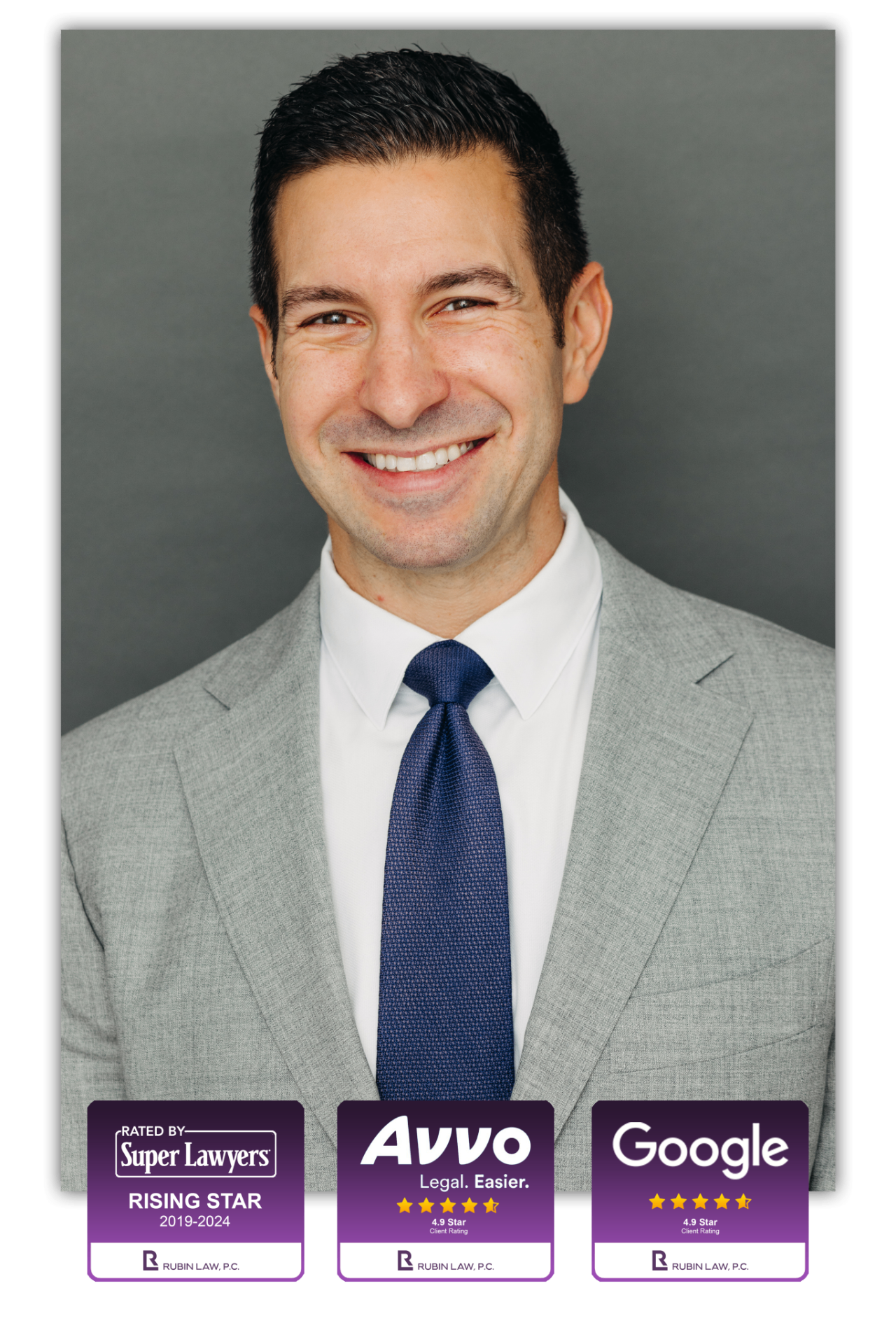
Daniel S. RubinNGI & Restoration Attorney
01 — Quick Facts
PC §1026.2 Restoration — At a Glance
02 — The NGI Framework
How Someone Ends Up in State Hospital
California uses the M'Naghten insanity test: at the time of the offense, the defendant must have been unable to distinguish right from wrong, or unable to understand the nature and quality of the act, because of mental disease. A jury finding of NGI results in commitment to a Department of State Hospitals facility (Patton, Metropolitan, Napa, Atascadero, Coalinga) for a term not exceeding the maximum sentence for the underlying offense.
Commitment is not automatic-release. It is indeterminate up to the maximum, with continued detention justified only if the person continues to pose an unreasonable danger due to mental illness.
03 — Types of Petition
Two Statutory Pathways
Outpatient Placement (PC §1600 / §1603)
Transfer from inpatient state hospital to court-supervised outpatient status. Typically the first release step — allows return to community with continued monitoring.
Restoration of Sanity (PC §1026.2)
Unconditional release. Court finds the committee has been restored to sanity and no longer poses a danger. The committee has the burden of proof by a preponderance.
04 — Legal Standards
What the Court Weighs
The court examines several factors:
- Current mental status. Diagnosis, remission, insight, medication adherence, and treatment engagement.
- History of dangerousness. Underlying offense, institutional violence history, and treatment progress since commitment.
- Insight into illness and offense. Ability to articulate the illness, its role in the offense, and relapse prevention.
- Discharge plan. Housing, family support, outpatient provider, medication management, and community resources.
- Substance use. Sobriety history and relapse prevention where addiction played a role.
On a §1026.2 petition, the committee has the burden of proof by a preponderance. On outpatient placement under §1600, the hospital's recommendation carries substantial weight.
05 — Process & Timeline
How a Restoration Case Moves
- 01
Records Review
We pull the full state-hospital record, treatment history, and prior evaluations.
- 02
Independent Evaluation
Retain a defense-favorable forensic psychiatrist or psychologist to conduct an independent assessment.
- 03
Petition Filed
Under §1026.2 (unconditional) or §1600 (outpatient) in the original committing court.
- 04
DA Investigation
The DA obtains its own evaluation and prepares opposition — this phase takes 60-120 days.
- 05
Evidentiary Hearing / Jury Trial
The committee has a right to a jury trial on the §1026.2 petition. Expert testimony, treatment-team testimony, and committee testimony.
- 06
Verdict / Order
Grant of restoration = unconditional release. Denial = continued hospitalization with right to re-petition after 6 months.
06 — After Release
Life After Restoration
Unconditional release under §1026.2 restores civil rights subject to WIC §8103 firearm limitations (5-year prohibition on possession, extendable by court finding). Rubin Law files companion §8103(f) petitions for firearm-rights restoration and works with the committee on employment-application language, licensing disclosures, and continued outpatient care to reduce recidivism risk.
Outpatient placement under §1600 keeps the committee under court and CONREP supervision — with revocation if noncompliance occurs. Successful outpatient completion is often the precursor to a later §1026.2 unconditional release.
07 — FAQs
Restoration of Sanity Questions — Los Angeles
How often can I file a restoration petition?
Every 6 months. The court cannot deny a hearing on a properly filed §1026.2 petition. Rubin Law times petitions strategically — waiting for optimal treatment milestones, medication stability, and discharge-plan readiness rather than filing reflexively.
Do I have a right to a jury trial?
Yes, on a §1026.2 unconditional-release petition. On §1600 outpatient placement, the hearing is a bench proceeding. Rubin Law demands jury when the strategic advantage favors community evaluation of the committee's current mental status over institutional record review.
Who has the burden of proof?
On §1026.2 petitions filed by the committee, the committee has the burden of proof by a preponderance to show they are no longer dangerous due to mental illness. When the DA or hospital files, the burden allocation differs; Rubin Law leverages the procedural framing that favors the client.
What if the state hospital opposes release?
That is common. The hospital's opposition is one piece of evidence — not a veto. We retain independent forensic experts, cross-examine the treating team, and often expose that the hospital's opposition rests on generalized diagnosis rather than individualized dangerousness assessment.
Can I get outpatient placement first?
Yes — and often we recommend that path. §1600 outpatient placement demonstrates community stability that strengthens a subsequent §1026.2 petition. Successful outpatient completion (typically 12-24 months) is powerful evidence of restored functioning.
What happens if I violate outpatient conditions?
The court can revoke outpatient status and return the committee to inpatient care. Rubin Law fights revocations aggressively — proposing plan modifications, medication adjustments, or supervised residential placement rather than full inpatient reversal.
How long does the whole process take?
From petition filing to hearing, typically 6-9 months. The DA's evaluation phase (60-120 days) and expert scheduling drive the timeline. In counties with heavy §1026 dockets, contested trials add another 3-6 months.
Will my firearm rights be restored?
Not automatically. WIC §8103 imposes a 5-year firearm prohibition following NGI commitment, with extension possible on court finding. Rubin Law files companion §8103(f) petitions for firearm-rights restoration when clinical evidence supports it.