
LA Collaborative Courts
Los Angeles Mental Health Court Attorney
Placement Requires Advocacy
Homeless Court. Veterans Court. Mental Health Court. AB 1810 Referrals.
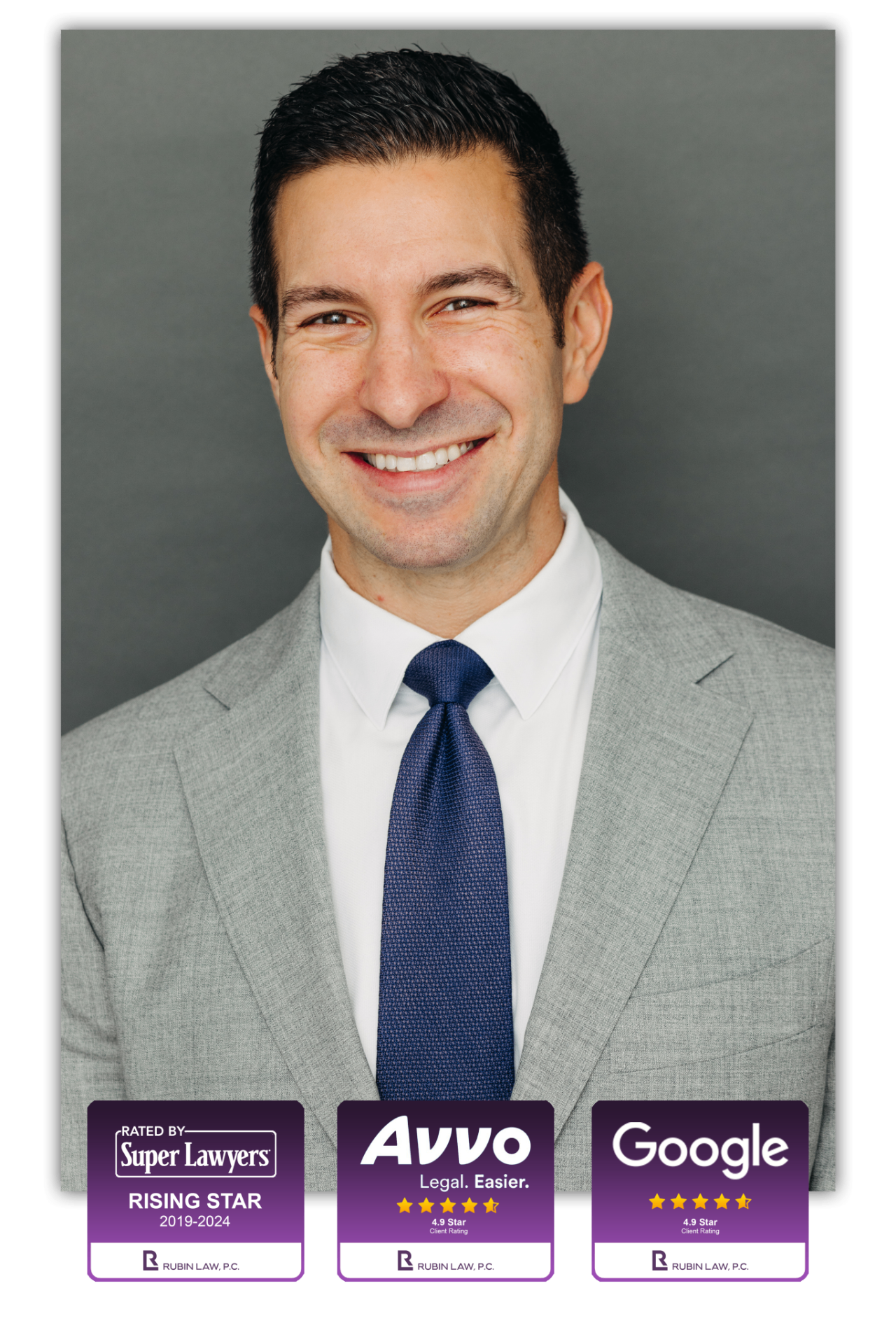
Daniel S. RubinCollaborative Court Attorney
01 — Quick Facts
LA Mental Health Courts — At a Glance
02 — Types of Courts
LA County Collaborative Courts
Mental Health Court (Dept. 95)
Primary calendar for PC §1001.36 diversion and LPS conservatorship intersections in Los Angeles Superior Court.
Veterans Treatment Court
Under PC §1170.9 and §1001.80 — service-connected mental health, TBI, PTSD, and substance-use conditions.
Homeless Alternatives Court
Focuses on defendants experiencing homelessness with underlying mental health needs. Dismissal path via engagement rather than punishment.
Co-Occurring Disorder Court
For defendants with both mental illness and substance-use disorders — coordinated treatment tracks.
DUI Court With MH Overlay
For DUI defendants with underlying mental health conditions — combined DUI-program and psychiatric treatment.
Domestic Violence Behavioral Health Court
PC §273.5 defendants where trauma and mental health drove the alleged conduct.
03 — How Placement Works
Getting Referred and Accepted
- 01
Screening
We request a Department of Mental Health screening (SB 82) and forensic evaluation to establish qualifying diagnosis.
- 02
Referral
Referral by defense motion, DA agreement, or judicial order to the target collaborative court.
- 03
Team Review
Multidisciplinary team (judge, DA, defense, clinician) reviews eligibility, treatment plan, and public-safety factors.
- 04
Formal Acceptance
Court accepts the defendant into the program on stipulated terms — usually a suspended sentence with treatment as the condition.
- 05
Active Phase
Regular treatment, reporting, and status hearings. Team recognizes progress and imposes graduated sanctions for setbacks.
- 06
Graduation
Successful completion triggers dismissal or reduction. Ceremony honors the accomplishment.
04 — What to Expect
Life in a Collaborative Court
Collaborative courts are hands-on. Defendants appear before the same judge every 2-4 weeks. The court reviews treatment progress, medication compliance, drug tests when applicable, housing status, and community engagement. Setbacks are addressed with graduated sanctions — added community service, more frequent check-ins, temporary custody — rather than immediate termination.
The core philosophy is therapeutic jurisprudence: recovery is not linear, and the court structure exists to support long-term stability rather than punish single incidents.
05 — Benefits & Trade-Offs
What You Get, What You Give
Benefit — Dismissal or Reduction
Successful graduates typically see the case dismissed or reduced to a non-record disposition.
Benefit — Coordinated Services
Housing referrals, DMH clinicians, case management, and medication access — services private clients pay tens of thousands to access.
Benefit — Judge Familiarity
The same judge follows your progress and is invested in your success — a stark contrast to standard criminal calendars.
Trade-Off — Time Commitment
12-24 months of supervision, frequent hearings, and treatment engagement — longer than a typical probation grant.
Trade-Off — Plea Requirement
Most programs require a guilty plea or waiver up front, held in abeyance pending completion.
Trade-Off — Transparency
Team-based supervision means your treatment provider communicates with the court about progress and setbacks.
06 — Graduation & Dismissal
Completing the Program
Graduation from a collaborative court usually results in one of three outcomes: (1) case dismissal under PC §1001.36(j) with arrest deemed never to have occurred; (2) reduction to a lesser or non-record charge; or (3) shortened probation without criminal-record consequences. Rubin Law also files companion §17(b) reductions and §1203.4 dismissals to maximize record-clearing at graduation.
07 — FAQs
Mental Health Courts Questions — Los Angeles
How do I get into a mental health court?
Placement requires (1) qualifying mental-health diagnosis, (2) referral by the defense, DA, or court, and (3) team acceptance. Rubin Law obtains the forensic evaluation, files the referral motion, and advocates through the acceptance process.
Do I have to plead guilty?
Most collaborative courts require a guilty plea or a waiver of trial rights that is held in abeyance pending successful completion. If you complete the program, the plea is withdrawn and the case is dismissed. If you don't, sentencing follows on the plea.
What if I miss a court date or relapse?
The court uses graduated sanctions before termination. First missteps often result in added community service, more frequent check-ins, or short custody sanctions (weekends or days) rather than immediate termination. Rubin Law fights every proposed sanction and works with the treatment provider to explain relapses in clinical context.
Can felony charges go through mental health court?
Yes. LA collaborative courts accept many felony cases — including some strike-eligible offenses when the mental-health showing is strong and public-safety concerns can be addressed. The DA's position matters heavily on felonies but is not determinative.
How long is the program?
Typically 12-24 months, structured in phases. Early phases require weekly or bi-weekly court appearances and intensive treatment; later phases move to monthly reporting. Some clients complete in as little as 12 months with strong engagement.
What services are provided?
LA County's collaborative courts partner with DMH, county contractors, and community organizations to provide psychiatric medication management, individual and group therapy, case management, housing referrals, and — where indicated — residential treatment or supported employment.
What's the difference between mental health court and PC §1001.36 diversion?
PC §1001.36 is the underlying statute allowing pretrial diversion. Mental health courts are the courtrooms where §1001.36 cases (and other treatment-based dispositions) are supervised. Some collaborative courts also handle probation-based treatment, veterans court under PC §1170.9, and other pathways.
Can I choose my treatment provider?
Sometimes. Court-approved providers must be part of the collaborative court's network, but within that list clients often have choice. Rubin Law negotiates for private providers when clinical continuity or specialized care justifies it.