
DUI Evidence · Suppression & Impeachment
DUI Evidence in California — What It Is and How We Fight It
Every Test Has a Weakness
Title 17. Calibration logs. FST scoring. BWC forensics.
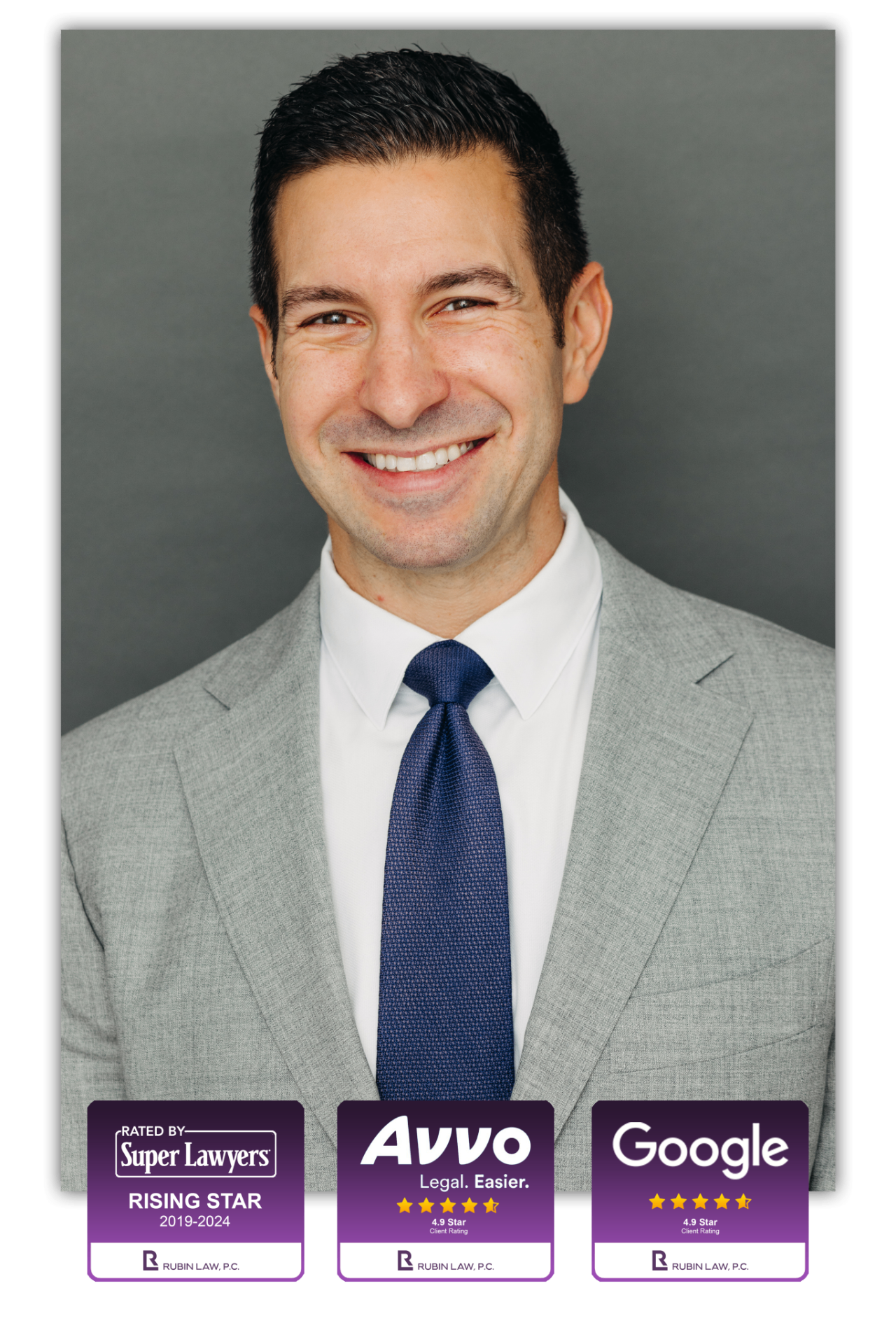
Daniel S. RubinDUI Trial & Suppression Attorney
01 — Quick Facts
California DUI Evidence — At a Glance
02 — Evidence Categories
The Five Pillars of a DUI Case
Chemical — Breath
Preliminary Alcohol Screening (PAS) and evidentiary Intoxilyzer/DataMaster results.
Chemical — Blood
Venous draws analyzed by gas chromatography at a state or contract lab.
Field Sobriety Tests
Horizontal Gaze Nystagmus, Walk-and-Turn, One-Leg Stand — the three NHTSA-validated tests.
Officer Observations
Odor of alcohol, red/watery eyes, slurred speech, driving pattern.
Video / BWC
Body-worn camera, in-car dash cam, checkpoint video, third-party footage.
Statements
Roadside admissions, post-Miranda statements, and station interview.
03 — Breath Test Evidence
Attacking Breath Test Results
15-Minute Observation Failure
Title 17 §1219.3 requires continuous observation. Officer looking away, moving to squad car, or documenting timeline invalidates the sample.
Mouth Alcohol
Burping, regurgitation, dental fixtures, and GERD produce false positives well above true BAC.
Calibration & Accuracy
Devices must be calibrated every 10 days or 150 subjects. Missing logs, drift, and outlier accuracy tests are motion fodder.
Breath Temperature
Body temperature 1° above normal can inflate breath alcohol readings by 6-8%.
Partition Ratio Assumption
The 2100:1 blood:breath ratio is a population average. Individual physiology varies by ±30%.
Mode Reporting
PAS is presumptive — not evidentiary. Chain-of-custody and dual-sample requirements govern evidentiary breath samples.
04 — Blood Test Evidence
Attacking Blood Draws
Warrant Requirement
Since Missouri v. McNeely and Birchfield v. North Dakota, non-consensual blood draws require a warrant absent exigency.
Non-Sterile Draw
Iodine or non-approved swabs can contaminate the sample and inflate ethanol concentration.
Fermentation & Coagulation
Improper storage (temperature, missing sodium fluoride preservative) allows in-vial fermentation producing endogenous ethanol.
Chain of Custody
Gaps between phlebotomist, storage, and lab intake can support exclusion under Evidence Code §1400.
Gas Chromatography Errors
Column contamination, peak co-elution, and calibration standards from the same batch as unknowns produce systemic error.
Split-Sample Right
Defense is entitled to independent retesting of a preserved sample. Failure to preserve is a due-process problem.
05 — Field Sobriety Tests
NHTSA Standardized FSTs — Real Validity
Only three field sobriety tests are NHTSA-validated: Horizontal Gaze Nystagmus, Walk-and-Turn, and One-Leg Stand. Even administered perfectly, their accuracy is 77%, 68%, and 65% respectively — meaning as many as one in three sober people "fail." Non-standardized tests (Rhomberg, finger-to-nose, alphabet) have no scientific validation and are inadmissible for BAC estimation.
Rubin Law obtains the officer's NHTSA training records, cross-examines on administration protocol (clues counted, instructions given, environmental conditions), and often exposes deviations that invalidate the observations entirely.
06 — Video & Officer Testimony
Body-Worn Camera Forensics
Since 2022, most Los Angeles County law-enforcement agencies deploy body-worn cameras. This footage is often defense-favorable — showing normal speech, balance, and cognitive function that contradict the officer's DD-33 narrative.
Rubin Law issues discovery for BWC, dash cam, jail intake video, and radio transmissions. Frame-by-frame analysis of FST administration and confrontation of the officer with inconsistencies between video and report is one of the highest- impact impeachment strategies in modern DUI practice.
07 — FAQs
DUI Evidence Questions — Los Angeles
Is a breath test more accurate than a blood test?
No. Blood tests are generally more accurate but have their own vulnerabilities (fermentation, chain of custody, gas chromatography errors). Breath tests estimate blood alcohol via an assumed 2100:1 partition ratio that varies significantly by individual — meaning breath readings can overstate true BAC.
Can I refuse the breath test at the roadside?
The pre-arrest Preliminary Alcohol Screening (PAS) is generally optional for drivers 21+ with no prior DUI or probation status. Post-arrest chemical testing is mandatory under California's implied-consent law — refusal triggers a 1-year DMV APS suspension and can be argued as consciousness of guilt at trial.
How do I challenge the field sobriety tests?
By obtaining the officer's NHTSA training records, subpoenaing certification documents, reviewing BWC footage for administration compliance, and cross-examining on non-standardized 'clues' counted improperly. Environmental factors — footwear, surface slope, medical conditions — routinely undermine FST reliability.
What is Title 17?
Title 17 of the California Code of Regulations, §1215-1222.2, governs the collection, handling, and analysis of chemical evidence in DUI cases. Deviations from Title 17 support motions to exclude the chemical results or, at minimum, arguments about their weight before the jury.
Can I get body-worn camera footage of my arrest?
Yes. Rubin Law files a Pitchess motion or informal discovery request for all BWC, dash cam, and jail-intake video. Under Penal Code §832.7 and SB 1421, more categories of law-enforcement video are now discoverable than ever before.
What is rising BAC?
Alcohol takes 30-90 minutes to fully absorb after consumption. If you drank close in time to being pulled over, your BAC at the time of driving could have been below 0.08% even though it rose above the limit by the time of the station test. This defense requires expert testimony and careful timeline reconstruction.
Are dashcam and BWC videos always preserved?
No. Agencies have varying retention policies (typically 60-180 days). Rubin Law sends preservation letters immediately upon retention to prevent overwrite before formal discovery. Failure to preserve exculpatory video supports a California v. Trombetta motion.
Can prescription medication show up in a DUI blood test?
Yes. California prosecutes DUI of drugs under VC §23152(f) — including lawful prescriptions. However, prosecutors must prove impairment, not merely presence. Toxicology reports showing therapeutic levels without corroborating impairment observations are frequently defeated at trial.