
PC §191.5 · Watson Murder
Los Angeles Vehicular Manslaughter Attorney
Charged With a Fatality — Every Hour Matters
Reconstruction. Causation. Watson-warning attack. Sentencing mitigation.
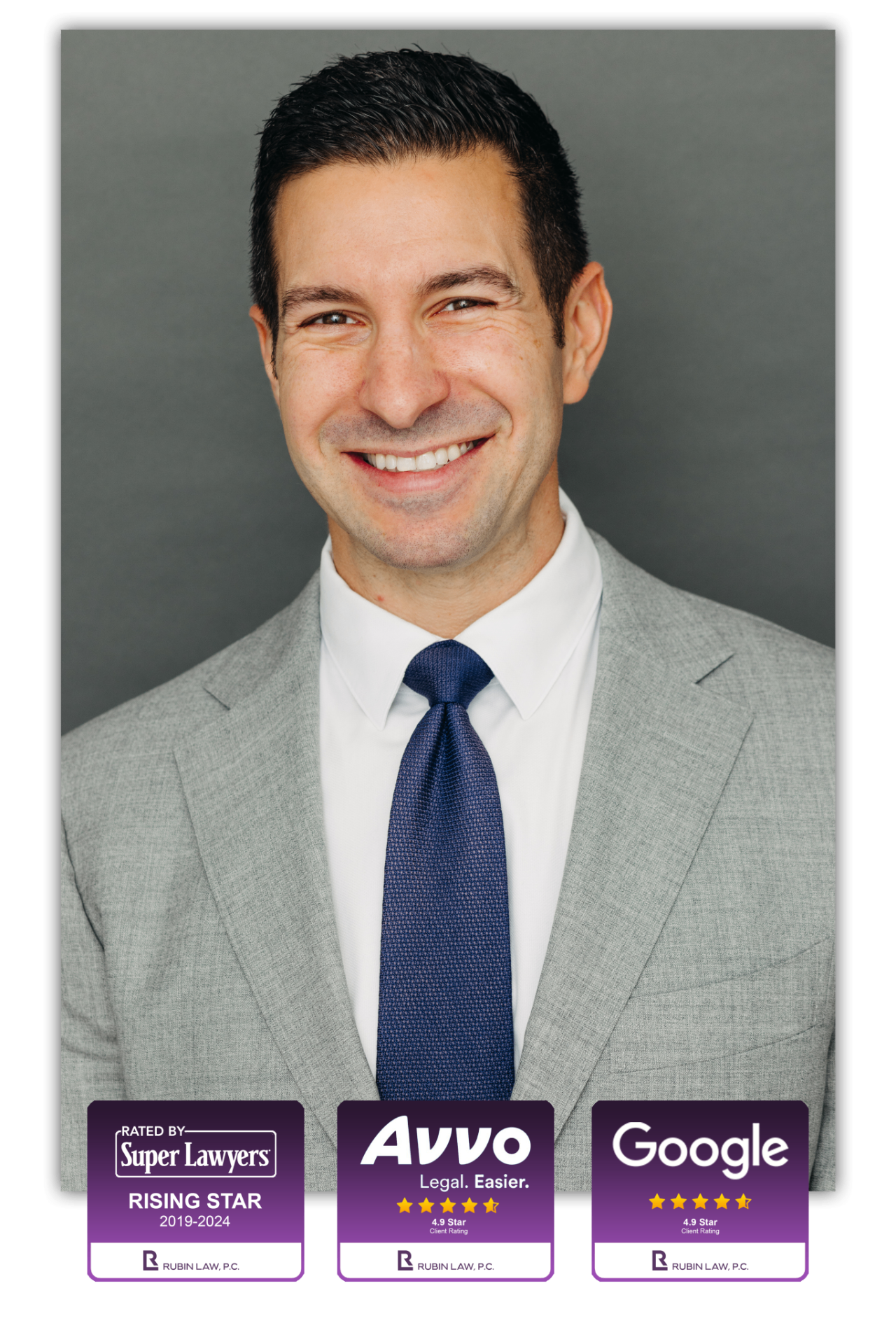
Daniel S. RubinVehicular Homicide & DUI Attorney
01 — Quick Facts
Vehicular Homicide — At a Glance
03 — Watson Murder Element
How Implied Malice Is Proven
Under People v. Watson (1981) 30 Cal.3d 290, DUI causing death may be second-degree murder if the defendant acted with implied malice — a conscious disregard for human life. Prosecutors establish this by showing the defendant knew the danger of driving under the influence and did so anyway.
The prosecution typically relies on:
- Prior DUI conviction(s) with signed Watson admonishment ("You are hereby advised that being under the influence of alcohol or drugs, or both, impairs your ability to safely operate a motor vehicle...");
- Court-ordered DUI school completion certificates;
- Extremely high BAC (typically 0.15%+);
- Reckless driving pattern (high speed, wrong way, red-light running);
- Post-crash statements or social media evidence.
Attacking Watson requires attacking each brick — challenging admonishment records, arguing lack of subjective awareness, and re-framing the driving pattern as negligence rather than conscious disregard.
04 — Penalties & Enhancements
Sentencing Exposure — Gross, Ordinary, and Watson
| Charge | Statute | Base Term | Mental State | GBI Enhancement | Strike? |
|---|---|---|---|---|---|
| Gross Vehicular Manslaughter (DUI) | PC §191.5(a) | 4, 6, or 10 yrs | Gross negligence | +3 to 6 yrs per victim | Violent felony |
| Ordinary Vehicular Manslaughter (DUI) | PC §191.5(b) | 16 mo, 2, or 4 yrs | Ordinary negligence | +3 to 6 yrs per victim | No |
| Non-DUI Vehicular (Felony) | PC §192(c)(1) | 2, 4, or 6 yrs | Gross negligence | §12022.7 available | No |
| Non-DUI Vehicular (Misdemeanor) | PC §192(c)(2) | Up to 1 year jail | Ordinary negligence | — | No |
| Watson Murder (DUI) | PC §187 | 15 years to life | Implied malice (prior DUI warning) | Multiple-victim additive | Strike & violent |
| Multiple-Victim Enhancement | PC §12022.7(a)/(b) | +3 to 6 yrs per victim | — | — | Adds strike |
The Watson admonishment given at every DUI conviction is the key to a §187 charge — it establishes the prior knowledge that DUI is dangerous to human life, satisfying implied malice for a second-time DUI homicide.
Additional Consequences Beyond the Courtroom
- Lifetime state and federal firearm ban on any felony
- Restitution to victim families is mandatory
- Wrongful-death civil exposure — often uninsured
- Immigration: aggravated felony consequences
- License revocation for 3+ years on any DUI homicide
- 85% conduct-credit rule on §191.5(a) (violent felony)
- Youth Offender Parole for offenses under age 26 (PC §3051)
- Franklin hearing preserves mitigation for future parole
05 — Defense Strategies
Where These Cases Are Won
Causation
The People must prove the DUI caused the death. Third-party fault, superseding causes, and non-alcohol factors (weather, road defect, mechanical failure) can defeat causation.
Accident Reconstruction
Expert Event Data Recorder (EDR / 'black box') download, crush analysis, and pre-impact speed calculations often contradict the officer's narrative.
Attack the BAC
Title 17 challenges to blood evidence, rising-BAC defense, and independent retesting reduce or eliminate the impairment element.
Defeat Watson Malice
Missing admonishment records, gap in prior conviction sequence, or lack of subjective awareness reduces §187 to §191.5(a).
Multi-Party Liability
In multi-vehicle events, apportioning fault to another driver's negligent conduct often reduces the charge or the number of victims for enhancement purposes.
Preliminary Hearing Motion
Aggressive PC §995 motions after prelim can dismiss the murder count where the malice showing is weak, leaving the more manageable manslaughter charge.
06 — Sentencing Mitigation
Reducing Prison Exposure
When guilt is not seriously contested, sentencing becomes the case. Rubin Law builds mitigation packages that regularly reduce sentences by years:
- Comprehensive psychological, addiction, and trauma evaluations;
- Documented voluntary residential treatment, AA/NA participation, and MADD Victim Impact Panels;
- Restitution planning and pre-sentence civil settlement to demonstrate accountability;
- Victim-family communication (when appropriate) and letters from community, family, and employers;
- Legal arguments under PC §1385 to strike GBI or Watson enhancements in the interest of justice.
07 — FAQs
Vehicular Manslaughter Questions — Los Angeles
What's the difference between vehicular manslaughter and Watson murder?
Vehicular manslaughter (PC §191.5) requires gross or ordinary negligence — a lesser mental state. Watson murder (PC §187) requires implied malice — that the defendant subjectively knew driving under the influence risked human life and did so anyway. The malice showing almost always relies on a prior DUI conviction with a documented Watson admonishment.
Is vehicular manslaughter a strike?
PC §191.5(a) gross vehicular manslaughter while intoxicated is classified as a violent felony under PC §667.5(c) — meaning 85% custody credits apply. PC §187 Watson murder is both a strike offense and a violent felony with 15-to-life exposure. PC §191.5(b) ordinary manslaughter is not a strike.
Can I get bail on a vehicular manslaughter charge?
Yes, but bail schedules are extremely high — often $500,000 to $2M for §191.5(a) and no-bail holds are common for §187 filings pending arraignment. Rubin Law files aggressive Humphrey bail motions to reduce or eliminate the money component and secure release pending trial.
What is a Watson admonishment?
It's a written advisement given at every DUI plea in California, warning the defendant that if they drive under the influence again and someone is killed, they can be charged with murder. Signing this admonishment is the primary evidence prosecutors use to prove implied malice in future fatal DUIs.
Do I face separate charges for multiple deaths?
Yes. Each victim supports a separate count and a separate PC §12022.7 great-bodily-injury enhancement. Multiple deaths in a single event can drive prison exposure to decades even without a Watson murder theory.
What if the crash wasn't my fault?
Causation is a required element. Even where the defendant was clearly impaired, if a third party (another driver, a road defect, mechanical failure) caused the collision, the DUI is decoupled from the fatality and the manslaughter count can be defeated. Reconstruction expertise is decisive here.
How is causation actually challenged?
Through accident reconstruction experts who analyze Event Data Recorder downloads, crush deformation, tire marks, and traffic-signal timing. We often show that even a sober driver could not have avoided the same outcome — breaking the causal chain the prosecution needs.
Can these charges be reduced?
Frequently. Even in serious cases, aggressive litigation of the malice element (defeating Watson) can move a §187 charge to §191.5(a). Aggressive litigation of the negligence element can move §191.5(a) to §191.5(b). Every reduction saves years of exposure.