
Los Angeles DUI Defense
Los Angeles DUI Lawyer
A DUI arrest in Los Angeles triggers two simultaneous battles — one in criminal court, one at the DMV. You have 10 days from your arrest to request a DMV hearing or your license is automatically suspended. Call Rubin Law, P.C. now.
Critical: 10-Day DMV Deadline
You have exactly 10 days from your DUI arrest to request a DMV Administrative Per Se (APS) hearing. Miss this deadline and your California license is automatically suspended. Call (213) 723-2337 now — we handle the DMV request for you.
Aggressive Defense. Strategic Representation. Real Results.
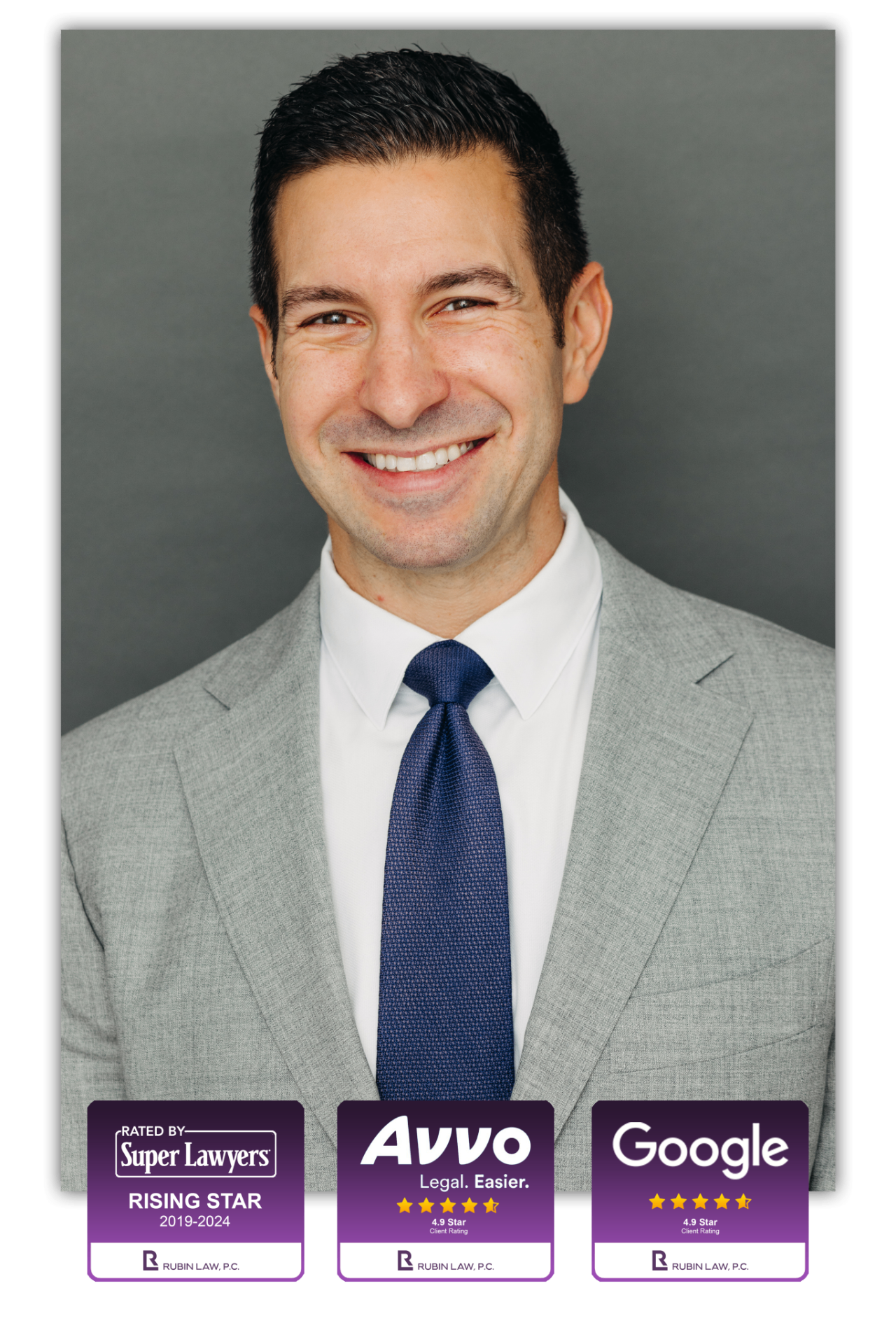
Daniel S. RubinDUI Defense Attorney
On This Page
Jump to a Section
01 — Quick Facts
DUI in Los Angeles at a Glance
02 — California DUI Law
What Is DUI Under California Law?
In California, DUI is governed primarily by Vehicle Code §23152 (opens in new tab), which makes it unlawful to drive a motor vehicle while under the influence of alcohol, drugs, or a combination of both. A person can be charged under VC §23152(a) — driving while impaired regardless of BAC — or under VC §23152(b) — driving with a blood alcohol concentration (BAC) of 0.08% or higher. Both can be charged simultaneously, and frequently are.
DUI in Los Angeles is not limited to alcohol. California prosecutes DUI of marijuana, drugs, and prescription medications under VC §23152(e)–(g). If an officer believes you are impaired by any substance — even one you legally prescribed — you can be arrested and charged. A Drug Recognition Expert (DRE) officer is often called to the scene in drug-related DUI cases.
DUI charges are among the most technically complex cases in California criminal law. The evidence is highly scientific — breathalyzer calibration, blood draw procedures, chain of custody, rising BAC defense, field sobriety test administration. Every one of these is a potential challenge point. Rubin Law, P.C. scrutinizes every piece of evidence from the moment we are retained.
03 — DUI Penalties
DUI Penalties in California — What You Are Facing
DUI penalties in California escalate significantly with each subsequent offense within 10 years. A first DUI is a misdemeanor, but a 4th DUI (or DUI with a prior felony) becomes a felony, and any DUI causing injury is a wobbler. First-offense cases are often reduced to a wet reckless — a common favorable outcome.
| Offense | Classification | Jail | Fine | License | Probation | DUI School |
|---|---|---|---|---|---|---|
| 1st DUI | Misdemeanor | 48 hrs – 6 months | $390–$1,000+ | 6 months suspension | 3–5 years | 3 or 9 months |
| 2nd DUI (within 10 yrs) | Misdemeanor | 96 hrs – 1 year | $390–$1,000+ | 2 years suspension | 3–5 years | 18 months |
| 3rd DUI (within 10 yrs) | Misdemeanor | 120 days – 1 year | $390–$1,000+ | 3 years revocation | 3–5 years | 30 months |
| 4th+ DUI | Felony | 16 months – 3 years (prison) | $390–$5,000+ | 4 years revocation | 3–5 years | 30 months |
| DUI with Injury | Felony (VC §23153) | 16 months – 4 years | Up to $5,000 | 1–3 years | 3–5 years | 30 months |
| DUI with Prior Felony | Felony | 2–4 years prison | Up to $5,000 | 5 years | — | 30 months |
Fines do not include penalty assessments, which can multiply the base fine 3–4×. Total out-of-pocket costs for a first DUI in California often exceed $10,000.
Additional Consequences Beyond the Courtroom
- SR-22 insurance requirement for 3 years (premiums increase 40–100%)
- Ignition Interlock Device (IID) requirement on all offenses
- Employment background check disclosure
- Commercial driver's license (CDL) disqualification — even for first offense
- Professional license jeopardy (nursing, law, teaching, contracting, real estate)
- Immigration consequences — possible grounds of deportability for non-citizens
- Loss of firearm rights if convicted of felony DUI
04 — Criminal & DMV Cases
A DUI Arrest Creates Two Separate Cases — Both Must Be Fought
Most people charged with DUI in Los Angeles don't realize they are fighting two completely separate proceedings simultaneously — one in criminal court, one with the California DMV. Both can result in punishment. Both require immediate action.
The Criminal Court Case
Your criminal DUI case is handled in one of the Los Angeles County Superior Courts — most commonly the Airport Courthouse, Van Nuys Courthouse, or Clara Shortridge Foltz Criminal Justice Center depending on where you were arrested. The DA's office prosecutes you, and the potential consequences include jail time, fines, probation, DUI school, and a permanent criminal record.
The criminal case moves through arraignment, pre-trial motions, and either a plea or trial. This is where we file suppression motions, challenge breathalyzer and blood test evidence, cross-examine officers, and fight for the best possible outcome — including reduction to a wet reckless (VC §23103) or full dismissal.
Arrest → Arraignment → Pre-Trial Motions → Plea or Trial
The DMV Administrative Hearing
You have 10 DAYS from your arrest date to request this hearing.
Call us immediately: (213) 723-2337When you are arrested for DUI in California, the arresting officer confiscates your license and issues a pink temporary license valid for 30 days. The California DMV automatically initiates a process to suspend (opens in new tab) your license unless you act within 10 days.
A DMV Administrative Per Se (APS) hearing is a completely separate proceeding from your criminal case — it focuses only on whether your license should be suspended. The DMV hearing officer is not a judge, and different rules of evidence apply. We request the hearing immediately upon being retained, subpoena the arresting officer, and challenge the DMV's evidence on your behalf.
Winning your DMV hearing does not guarantee winning your criminal case — and vice versa. Both must be fought aggressively and independently.
Arrest → 10-Day Window → Hearing Requested → APS Hearing (30–75 days later)
05 — Defense Strategies
DUI Defense Strategies — How Rubin Law Fights Your Case
DUI cases are won or lost on technical details. The following are the primary defense strategies we deploy in Los Angeles DUI cases — the ones that get evidence suppressed, charges reduced, and cases dismissed.
Challenging the Legality of the Traffic Stop
Under the Fourth Amendment, police must have reasonable articulable suspicion to pull you over.
- If the stop was pretextual, unlawful, or based on a hunch rather than observed conduct, we file a PC §1538.5 motion to suppress all evidence obtained after the stop.
- If granted — and we win these motions — the case often collapses entirely.
- Common grounds: no observed traffic violation, anonymous tip without corroboration, checkpoint procedure violations.
Breathalyzer Challenges
Breathalyzer devices are machines — and machines fail.
- We subpoena calibration and maintenance records for the specific device used in your arrest.
- Common defenses include: improper 15-minute observation period, device calibration errors, and radio frequency interference.
- Mouth alcohol contamination from dental work, GERD, or acid reflux can falsely inflate readings.
- A breathalyzer reading is not infallible — it is a starting point for challenge.
Blood Test Challenges
Blood draws in DUI cases are governed by strict chain of custody and testing protocols.
- We challenge improper draw procedure (licensed person requirement).
- Fermentation in the sample can increase blood alcohol levels in a contaminated sample.
- We review testing lab methodology, improper storage, and broken chain of custody.
- We regularly retain independent forensic toxicologists to re-test blood samples — results frequently differ from prosecution lab results.
Rising BAC Defense
Alcohol continues to absorb into the bloodstream for 30–90 minutes after your last drink.
- If you were tested 45–90 minutes after driving, your BAC at the time of testing may have been higher than when you were actually behind the wheel.
- Using the science of alcohol absorption and elimination, we argue your BAC while driving was below the legal limit.
- This defense applies even when the test shows 0.08% or higher.
Field Sobriety Test Challenges
Field sobriety tests — the Walk and Turn, One Leg Stand, Horizontal Gaze Nystagmus — are not scientific proof of intoxication.
- They are subjective assessments affected by nerves, physical conditions, road surface, footwear, and lighting.
- We review how the officer administered each test for improper procedure or subjectivity.
- We analyze dashcam and bodycam footage to identify inflated appearance of impairment.
Medical & Physiological Conditions
Certain medical conditions mimic intoxication or affect test results.
- Diabetes and ketosis cause elevated breathalyzer readings due to acetone compounds.
- GERD and acid reflux cause mouth alcohol that falsely inflates breath test results.
- Fatigue, prescription medications, and neurological conditions can affect balance and coordination.
- We explore every medical factor in your background to build this defense.
06 — Types of DUI Charges
Los Angeles DUI Charges We Defend
Not all DUI charges are the same. The specific charge you face — and the defense strategy that works — depends on your BAC, whether anyone was injured, your prior record, and what substance was involved. Click any charge below to learn more about penalties and defenses.
First-Offense DUI
VC §23152Misdemeanor. Up to 6 months jail, $1,000+ fine, 3 or 9-month DUI school, 6-month suspension. Wet reckless reductions common.
Second-Offense DUI
VC §23540Misdemeanor within 10 years of a prior. 96 hours minimum jail, 2-year suspension, 18-month DUI school, IID required.
Third-Offense DUI
VC §23546Misdemeanor with mandatory 120 days jail, 3-year license revocation, 30-month DUI school, habitual traffic offender status.
Felony DUI (4th+)
VC §23550Fourth DUI within 10 years is a wobbler felony. 16 months to 3 years state prison, 4-year revocation, strike-eligible in some cases.
DUI With Injury
VC §23153Wobbler. Any injury to another person elevates a DUI. Prison exposure, restitution, and felony consequences on record.
DUI of Drugs (DUID)
VC §23152(f)Prescription meds, marijuana, or illegal drugs. Drug Recognition Expert (DRE) testimony and blood tests drive these cases.
Underage DUI
VC §23136Zero-tolerance. BAC of 0.01% or higher under 21 triggers automatic 1-year suspension — even without impairment.
Commercial DUI (CDL)
VC §23152(d)0.04% BAC limit for CDL holders. First offense = 1-year CDL disqualification. Second offense = lifetime disqualification.
Wet Reckless
VC §23103.5Common first-offense reduction — lower fines, no mandatory jail, shorter DUI school, but still priorable for 10 years.
Vehicular Manslaughter
PC §191.5DUI causing death. Gross vehicular manslaughter while intoxicated carries 4–10 years prison; Watson murder (PC §187) is charged with a prior DUI.
Related DUI Topics
DUI Evidence
Breathalyzer results, blood test reports, dashcam footage, officer reports, field sobriety test videos, and lab results. We examine every piece of evidence for procedural violations, scientific errors, and constitutional problems.
Learn moreDMV Hearings
The DMV Administrative Per Se (APS) hearing is your only chance to fight automatic license suspension. You have 10 days from arrest to request it. We appear at DMV hearings throughout California.
Learn moreDriving on a Suspended License
If your license was suspended following a DUI — or for any other reason — driving on that suspension carries separate criminal charges under VC §14601. We defend these charges alongside or independently of the underlying DUI.
Learn more07 — Court Process
How a DUI Case Moves Through Los Angeles Courts
1
Arrest & Booking
You are arrested, transported to a local station for booking, and issued a pink temporary license valid for 30 days. The officer sends your physical license to the DMV. You are given a notice to appear in criminal court.
10-day clock starts NOW for DMV hearing request.
2
DMV APS Hearing Request (Within 10 Days)
We immediately contact the DMV on your behalf to request an Administrative Per Se (APS) hearing. This pauses the automatic suspension while the hearing is pending. We subpoena the arresting officer and all relevant documents.
3
Arraignment
Your first court appearance — typically within a few weeks for misdemeanors. The judge reads the charges (VC §23152(a) and/or (b)), you enter a not guilty plea, and bail is addressed. We appear with you and gather the prosecution's initial evidence package.
4
Discovery & Investigation
We subpoena all evidence: dashcam footage, bodycam footage, breathalyzer maintenance records, blood test lab reports, officer training records, and the arresting officer's arrest history. We review everything for procedural violations and constitutional problems.
5
Pre-Trial Motions
Based on what we find in discovery, we file targeted motions. Most important: PC §1538.5 motion to suppress illegally obtained evidence. If the traffic stop was unlawful, the breathalyzer was improperly calibrated, or blood was drawn without a valid warrant — we move to exclude that evidence. When key evidence is suppressed, cases are frequently reduced or dismissed.
6
Plea Negotiation or Trial
With our investigation and motions complete, we negotiate with the DA from a position of strength. Possible outcomes include: dismissal, reduction to wet reckless (VC §23103), reduction to dry reckless (VC §23103), diversion (where available), or a negotiated plea to a lesser charge. If no acceptable resolution is reached, we go to trial.
7
Sentencing & Post-Conviction
If convicted — by plea or verdict — we advocate for the most favorable sentence: minimum jail (or alternatives like work release or house arrest), lowest fines, shortest DUI school, and IID instead of full suspension. After probation is complete, we file for PC §1203.4 expungement to clear the conviction from your record.
08 — Possible Outcomes
Possible Outcomes in a Los Angeles DUI Case
Every DUI case is different. Outcomes depend on the specific evidence, the courthouse, your prior record, and the quality of your defense. Here are the outcomes we work to achieve, from best to worst.
Case Dismissed
The best possible outcome — no DUI conviction, no priorable offense.
- Suppression under PC §1538.5 for an unlawful stop or arrest
- Prosecution cannot prove impairment beyond a reasonable doubt
- Prefile intervention stops charges before filing
- Dismissed cases are often sealable under PC §851.91
Reduced to Wet or Dry Reckless
The most common first-offense reduction under VC §23103.
- Wet reckless: lower fines and shorter DUI school
- Dry reckless: no DUI school and no DMV priorable offense
- Less insurance and employment impact than a DUI conviction
- Still priorable for 10 years — but far better than a §23152 plea
Minimized DUI Conviction
If a DUI cannot be avoided, we fight for the lowest possible exposure.
- No jail — or jail alternatives (work release, house arrest)
- Shortest DUI school and lowest fine schedule
- IID installation in lieu of a full license suspension
- Sentencing preserving CDL, professional licenses, and immigration status
DUI Diversion (Where Available)
AB 3234 created limited DUI diversion eligibility in California.
- First-time offenders complete a program and the case is dismissed
- No DUI conviction ever enters the criminal record
- Mental-health diversion under PC §1001.36 as an alternative track
- Military diversion under PC §1001.80 for eligible veterans
09 — LA Courthouses
Los Angeles Courts That Handle DUI Cases
Where your DUI case is heard depends on where you were arrested. Each Los Angeles courthouse has its own prosecutors, tendencies, and procedures. Rubin Law, P.C. appears regularly in all of them.
Airport Courthouse (LAX)
Handles DUI arrests made by LAPD West Los Angeles, CHP on the 405/105, and near LAX. One of the most common DUI courts in LA County.
Van Nuys Courthouse
Handles DUI arrests throughout the San Fernando Valley — Van Nuys, Sherman Oaks, North Hollywood, Encino, Studio City.
Clara Shortridge Foltz
Downtown LA DUI cases. Felony DUI cases from Central LA are often heard here.
Metropolitan Courthouse
Handles misdemeanor DUI cases from downtown and central LA.
Santa Monica Courthouse
DUI arrests on the Pacific Coast Highway, the 10 freeway westbound, Santa Monica, Malibu.
Torrance Courthouse
South Bay DUI arrests — Torrance, Redondo Beach, Manhattan Beach, Hermosa Beach.
Pasadena Courthouse
DUI arrests in Pasadena, Arcadia, Monrovia, and the 210 corridor.
Long Beach Courthouse
DUI arrests in Long Beach, Signal Hill, Lakewood.
Compton Courthouse
DUI arrests in Compton, Lynwood, South LA.
Beverly Hills Courthouse
Sunset Strip DUI cases, Bel Air, West Hollywood.
10 — Cities We Serve
Los Angeles DUI Defense — All Cities
Rubin Law, P.C. defends DUI charges throughout Los Angeles County. Wherever you were arrested, we can help.
11 — FAQs
DUI Questions — Los Angeles
What happens on a first DUI in Los Angeles?
A first-offense DUI in Los Angeles is typically charged as a misdemeanor under VC §23152. Penalties can include up to 6 months in county jail (though jail is rare on first offenses without aggravating factors), fines of $390 to $1,000 plus penalty assessments that can bring total costs to $3,000–$10,000, 3–5 years of summary probation, a 3 or 9-month DUI education program, and a 6-month driver's license suspension. The DMV also triggers a separate administrative suspension process that you have 10 days to contest. A skilled DUI attorney can often negotiate a first offense down to a wet reckless or have evidence suppressed entirely.
Will I lose my license after a DUI in California?
Potentially yes — but it is not automatic if you act quickly. When you are arrested for DUI, you have 10 days to request a DMV Administrative Per Se (APS) hearing. If you request the hearing, your temporary license remains valid while the hearing is pending (typically 30–75 days). At the hearing, we challenge the DMV's evidence and attempt to prevent suspension. If we win the hearing, your license is not suspended by the DMV. Even if the DMV suspends your license, a restricted license allowing work-related driving is often available.
Can a DUI be reduced to a wet reckless in Los Angeles?
Yes — and this is one of the most common favorable outcomes for first-offense DUI cases in Los Angeles County. A wet reckless (VC §23103 with an alcohol notation) carries lower fines, no mandatory jail, a shorter DUI program, and less DMV impact than a DUI conviction. Whether the DA will agree to a wet reckless reduction depends on your BAC, the strength of the evidence, your prior record, and the specific courthouse. We negotiate wet reckless reductions regularly in LA County courts.
Do I need a lawyer for a first DUI offense in Los Angeles?
Yes — unequivocally. The consequences of a DUI conviction in California are more far-reaching than most people realize: it stays on your DMV record for 10 years as a "priorable" offense (meaning a second DUI within 10 years triggers dramatically higher penalties), it affects insurance rates significantly, it can jeopardize professional licenses, and it appears on criminal background checks. An experienced DUI attorney can often achieve outcomes — dismissal, wet reckless, evidence suppression — that are not available if you represent yourself or rely on a public defender with 300+ cases.
How long does a DUI stay on my record in California?
A DUI conviction stays on your criminal record indefinitely unless you petition for expungement under PC §1203.4 after completing probation. However, it stays on your California DMV record as a priorable offense for 10 years — meaning any subsequent DUI within that window is treated as a second offense with dramatically higher penalties. A DUI also stays on your insurance record for 3–7 years depending on your insurer. Expungement clears the criminal conviction but does not erase the DMV record.
Can a DUI be expunged in California?
Yes — most DUI convictions are eligible for expungement under PC §1203.4 after you successfully complete probation (including payment of all fines and completion of DUI school). Expungement allows you to withdraw your guilty plea and have the case dismissed, which helps significantly with employment background checks. However, expungement does not erase the DMV record, does not restore gun rights if convicted of a felony DUI, and does not prevent the conviction from being used as a prior offense if you are charged with a subsequent DUI within 10 years.
What is a DMV APS hearing and do I need to request one?
A DMV Administrative Per Se (APS) hearing is a civil proceeding — completely separate from your criminal DUI case — in which the DMV determines whether to suspend your driver's license. You have exactly 10 days from your DUI arrest to request this hearing. If you miss the deadline, your license is automatically suspended when your 30-day temporary license expires. If you request the hearing, we appear on your behalf, subpoena the arresting officer, and challenge the DMV's evidence. Winning the DMV hearing prevents suspension entirely.
How much does a DUI lawyer cost in Los Angeles?
DUI attorney fees in Los Angeles vary significantly based on case complexity, whether a DMV hearing is included, and whether the case goes to trial. A straightforward first-offense DUI typically ranges from $2,500 to $6,000 for full representation including the DMV hearing. Felony DUI cases, DUI with injury, or cases going to trial can cost significantly more. At Rubin Law, P.C., we discuss fees transparently during your free initial consultation — no surprises. Given the 10-year impact of a DUI conviction on your driving record, insurance, and employment, investing in quality representation is almost always worth it.
What is the difference between a DUI and a wet reckless in California?
A DUI under VC §23152 and a wet reckless under VC §23103.5 are legally distinct offenses with meaningfully different consequences. A DUI conviction carries mandatory license suspension (6 months on a first offense), a mandatory 3- or 9-month DUI program, higher fines and penalty assessments (typically $2,000–$3,500 all-in), and mandatory installation of an Ignition Interlock Device. A wet reckless — technically reckless driving with a notation that alcohol was involved — carries no mandatory license suspension from the court, a shorter 12-hour SB 1176 program, lower fines (typically under $1,000), no mandatory IID, and no jail on a first offense. Critically, both convictions count as priorable DUI offenses for 10 years, so a wet reckless followed by a real DUI within that window is charged as a second-offense DUI. The wet reckless also does not appear on background checks the same way a DUI does — many employers screen specifically for 'DUI' by title. In LA County, wet reckless reductions are most attainable when the BAC is 0.08–0.09%, the traffic stop is challengeable, or the field sobriety and chemical evidence has weaknesses.
Can I refuse a breathalyzer in California?
You can — but the consequences of refusing are severe under California's implied-consent law (VC §23612). Once you are lawfully arrested for DUI, you are required by statute to submit to a chemical test (breath or blood) of your choice. Refusing carries three separate penalties. First, the DMV imposes a mandatory 1-year hard license suspension for a first-offense refusal — with no restricted license available, unlike a standard DUI suspension. A second refusal within 10 years triggers a 2-year revocation; a third, a 3-year revocation. Second, if you are convicted of the underlying DUI, the court adds a mandatory 48 hours in jail on a first offense and a 9-month DUI program instead of the standard 3-month program. Third, the refusal itself can be used as evidence of consciousness of guilt at trial. Important distinction: the roadside preliminary alcohol screening (PAS) device is voluntary for adults over 21 who are not on DUI probation — you can decline the PAS without penalty. The post-arrest chemical test is the one that triggers the refusal enhancement. If you have already refused, an APS hearing within 10 days is your only chance to prevent the year-long suspension.
How long does a DUI stay on my record in California?
A DUI touches three separate records, each with a different lifespan. On your criminal record, a DUI conviction is permanent unless expunged under PC §1203.4 after probation — and even expunged, it can still be used as a prior in future DUI cases and disclosed on certain professional-license applications. On your California DMV driving record, a DUI stays for 10 years as a 'priorable' offense, meaning any DUI within that window is charged as a second, third, or fourth offense with escalating mandatory jail, longer license suspensions, and mandatory IID. On your insurance record, most carriers surcharge for 3–7 years and many decline to renew after a DUI, forcing you into the high-risk SR-22 market at 40–100% higher premiums. Background check companies typically report DUI convictions for 7 years under the FCRA, though California's 7-year cap does not apply to convictions when the position pays over $125,000. Federal law-enforcement, TSA, and immigration databases retain DUI arrests indefinitely regardless of expungement. The practical takeaway: even after expungement, a DUI has a long tail — which is why fighting for a wet reckless, an outright dismissal, or a suppression win at the front end matters far more than trying to clean it up later.
What happens to my driver's license after a DUI arrest?
A DUI arrest triggers two parallel license actions — one criminal, one administrative — and both start on the day of arrest. When the arresting officer takes your physical license, they issue a pink DS-367 form that serves as a temporary license valid for 30 days. That form contains the single most important deadline in your case: you have exactly 10 calendar days to request a DMV Administrative Per Se (APS) hearing. Miss the 10 days and your license is automatically suspended when the temporary expires — 4 months on a first offense with a chemical test result of 0.08%+, or 1 year for a refusal, with no restricted license during the first 30 days. Request the hearing on time and your temporary license is extended, often for 30–75 days while the DMV schedules and holds the hearing. At the APS hearing, the DMV must prove three narrow issues: lawful arrest, probable cause, and a chemical test of 0.08%+ (or refusal). We subpoena the arresting officer, cross-examine on the traffic stop and observation period, and challenge the breath or blood evidence — separately from the criminal case. Winning the APS hearing prevents any DMV suspension. If you lose or don't request the hearing, a restricted license for work and DUI-school driving is generally available after 30 days on a first offense with proof of SR-22 insurance and IID installation.
California Law Guides
Related California Laws — DUI Defense
Deep-dive statute explainers from our Laws Hub — how each charge is filed, defended, and sentenced in California courts.
DUI in California
California Vehicle Code §23152 prohibits driving under the influence of alcohol or drugs.
Read the Full GuideFirst DUI Offense California
A first DUI offense in California is a misdemeanor carrying up to 6 months in jail, fines exceeding $2,000, and a 6-month license suspension.
Read the Full GuideFelony DUI California
A DUI becomes a felony in California when it is your fourth offense within 10 years, when it causes injury or death, or when you have a prior felony DUI.
Read the Full GuideDUI of Drugs California
California law prohibits driving under the influence of any drug — including marijuana, prescription medications, and illegal drugs.
Read the Full GuideDUI Causing Injury California
DUI causing injury under VC §23153 is a wobbler — it can be charged as either a misdemeanor or felony.
Read the Full GuideWatson Murder DUI
When a DUI causes a death and the driver has a prior DUI conviction, California prosecutors can charge second degree murder under PC §187.
Read the Full GuideExplore More