
What Are Wrongful Termination Examples?
Every year, thousands of employees in the United States face wrongful termination. This is a serious issue that affects many lives. Wrongful termination happens when an employer fires someone for an illegal reason, like discrimination or retaliation.
If you've been fired and think it was unfair, you might have a case. Knowing what counts as wrongful termination is key to figuring out what to do next. For example, getting fired because of pregnancy, racial discrimination, or for speaking out against wrongdoings is wrong. You can find more examples of wrongful termination cases to learn about your rights.
Getting advice from a good law firm like Rubin Law, P.C. (213-723-2237, https://rubinlawpc.com/) can help. They can guide you through employment law and help you understand your situation better.
Understanding Wrongful Termination
It's key for employees to know about wrongful termination to protect their rights. Wrongful termination happens when an employee is let go for reasons that break the law. This can include things like discrimination, retaliation, or breaking a contract.
Definition of Wrongful Termination
Wrongful termination isn't the same as being fired without reason in an at-will employment state. Even though at-will employment lets employers fire people without cause, it doesn't let them break laws. Employees have rights that keep them safe from wrongful termination, like protection from discrimination and retaliation.
For example, Rubin Law, P.C., a law firm that knows a lot about employment law, says employees should know their rights. If you're facing wrongful termination, talking to a lawyer like those at Rubin Law, P.C. (213-723-2237, https://rubinlawpc.com/) is a good idea. They can help you understand your options.
At-Will Employment vs. Wrongful Termination
Many people get at-will employment wrong, thinking it means employers can fire anyone anytime. But, at-will employment doesn't let employers fire people for illegal reasons like discrimination or retaliation. It's important for employees to know the difference between at-will employment and wrongful termination to spot when their rights are being broken.
- At-will employment lets employers fire people without cause, but not for illegal reasons.
- Wrongful termination is when an employee is fired for illegal reasons under state or federal law.
Common Misconceptions About Employee Rights
Many think employees have few rights in at-will employment states. But, the truth is, employees have strong protections under the law. They have the right to be free from discrimination and retaliation. It's important for employees to learn about their rights to avoid being taken advantage of by employers who might not tell them about their legal protections.
By knowing about wrongful termination and the legal protections they have, employees can handle their jobs better. They can also seek legal help when they need to.
Discrimination-Based Wrongful Termination Examples
Wrongful termination often comes from discrimination. This can happen in many ways at work. If someone is let go because of their race, gender, age, or disability, they might have a case under employment law.
Race and Ethnicity Discrimination Cases
Discrimination based on race or ethnicity is a big issue. For example, if someone is fired after being treated unfairly because of their race, they might have a case. This includes being passed over for promotions or getting unfair reviews.
- Examples include being passed over for promotions or being given unfair performance reviews.
- Employers must provide a workplace free from racial harassment.
- Employees who experience such discrimination should document incidents thoroughly.
Gender and Sexual Orientation Discrimination
Gender and sexual orientation discrimination are also valid reasons for wrongful termination claims. If someone is fired because of their gender identity or sexual orientation, they might be protected by laws.
- Gender discrimination can involve unequal pay or biased treatment.
- Sexual orientation discrimination may include harassment or unfair job assignments.
- Employers must respect employees' gender identities and sexual orientations.
Age Discrimination Against Older Workers
Age discrimination is another form of wrongful termination. Older workers who are fired or demoted because of their age might have a valid claim.
- Examples include being replaced by younger workers or being forced into retirement.
- Employers must comply with age discrimination laws.
Disability and Reasonable Accommodation Issues
Disability discrimination happens when an employer doesn't provide reasonable accommodations or fires someone because of their disability.
- Employers must engage in the interactive process to find suitable accommodations.
- Failing to accommodate a disability can lead to wrongful termination claims.
- Employees should be aware of their rights under the Americans with Disabilities Act (ADA).
If you think you've been wrongly fired because of discrimination, you should get legal help. Call Rubin Law, P.C., at 213-723-2237 or visit https://rubinlawpc.com/ for advice on your case.
Retaliation as Wrongful Termination
Retaliation happens when an employer acts badly against an employee for doing something they're not supposed to. This could be for reporting harassment or filing a workers' compensation claim. It's against the law and can cause big problems for employers.
If you've faced retaliation, knowing your rights is key. Employers can't fire or punish you for reporting wrongdoings or taking part in protected activities. Rubin Law, P.C. can help you with your case. Call them at 213-723-2237 or visit their website.
Whistleblower Retaliation Examples
Whistleblower retaliation happens when someone is punished for telling about illegal acts in their workplace. This could be for reporting financial fraud or other wrongdoings.
Termination After Reporting Harassment or Discrimination
People who report harassment or discrimination are protected. If an employer fires someone for making such a report, it's seen as retaliation. For example, if someone reports gender discrimination and gets fired, they might have a strong case.
Retaliation for Filing Workers' Compensation Claims
Filing a workers' compensation claim is a protected action. Employers can't punish employees for doing this. If someone gets fired after filing a claim, they might sue for retaliation.
Reporting Safety Violations or Illegal Activities
People who report safety issues or illegal acts are also protected. If an employer fires someone for doing this, it's illegal. This can lead to legal action against the employer.
In summary, retaliation is a serious issue that can lead to big legal problems for employers. If you think you've been retaliated against, getting help from lawyers like those at Rubin Law, P.C. is important.
Breach of Contract Wrongful Termination
When an employer fires an employee against the rules of an employment agreement, it's called breach of contract wrongful termination. This happens when the employer breaks the rules set in the employment contract. This can be a written agreement or an unwritten rule based on company policies or past practices.
Employees who are fired unfairly because of a broken contract can sue their former employer. If you think you were wrongfully fired because of a broken contract, you should talk to a lawyer. Rubin Law, P.C. is an expert in employment law and can be reached at 213-723-2237 for a free consultation.

Violations of Written Employment Agreements
A written employment agreement is a contract that outlines the terms of employment. Breaking these agreements can include not giving enough notice, firing without cause, or not following other contract rules.
For example, if a contract says an employee can only be fired for certain reasons, and the employer fires them without cause, it's a breach of the agreement.
Implied Contract Breaches
An implied contract is not written but is understood through actions and talks between employer and employee. For instance, if an employer always promotes from within or only fires for cause, it creates an implied contract. This means the employee won't be fired without just cause.
Proving an implied contract breach can be harder than a written contract. But it's a valid reason for a wrongful termination claim.
Employee Handbook Violations
Many companies have employee handbooks that outline policies and procedures. If an employer doesn't follow these policies, it could be a breach of contract. For example, if a handbook says a progressive discipline policy must be followed before firing, not following it is a violation.
Broken Promises of Job Security
Promises of job security can create contractual obligations for employers. If an employer promises job security without cause or under certain conditions, breaking these promises is a breach of contract.
For example, if an employer promises job security as long as the employee performs well, and then fires them without cause, it's a breach of that promise.
Public Policy Violation Examples
When an employer fires an employee for exercising a legal right, it's a public policy violation. This is a serious issue because it goes against the fairness and justice in employment law. Employees who are let go for doing something they have the right to do can sue their former employer.
Termination for Jury Duty Participation
One common example is firing someone for jury duty. It's illegal for employers to fire employees for serving on a jury. This is because it's seen as a civic duty. If someone is fired for jury duty, they might have a wrongful termination case.
Firing for Refusing to Commit Illegal Acts
Another example is firing someone for not doing something illegal. Employees have the right to say no to illegal activities. Firing them for this is against public policy. This rule helps employees stand up for the law without fear.
Termination for Exercising Legal Rights
Firing someone for using their legal rights is also wrong. This includes filing a complaint, reporting safety issues, or taking family leave. Employers must respect these rights to avoid wrongful termination lawsuits.
Reporting Violations of Law or Regulations
Employees who report law or regulation violations are also protected. This includes whistleblowers who report illegal or unsafe work conditions. If someone is fired for reporting these issues, they might have a public policy violation case.
If you think you've been wrongly fired, you should talk to a lawyer. Call Rubin Law, P.C., at 213-723-2237 or visit https://rubinlawpc.com/ for help with your case.
Family and Medical Leave Violations
Employers who stop employees from taking family and medical leave face wrongful termination claims. The Family and Medical Leave Act (FMLA) gives eligible workers up to 12 weeks off. This is for reasons like having a baby, a serious illness, or caring for a sick family member.
FMLA Protection Violations
FMLA violations happen when employers block employees from taking their leave. This includes:
- Not giving FMLA leave to those who are eligible
- Not bringing an employee back to their old job after leave
- Getting mad at an employee for taking leave
Pregnancy and Maternity Leave Discrimination
Pregnancy and maternity leave discrimination is against the law. It's covered by Title VII and the Pregnancy Discrimination Act (PDA). Pregnant workers must get the same benefits and leave as others with similar needs.
Medical Condition and Disability Leave Issues
People with serious health issues or disabilities might need FMLA or ADA leave. Employers must offer reasonable accommodations and leave. This is unless it's too hard for them.
Caregiver Discrimination Examples
Caregiver discrimination happens when employers treat workers unfairly because of their caregiving duties. This can mean not getting promoted, being demoted, or fired because of caring for a family member.
If you think you've been unfairly treated, you should talk to a lawyer. Call Rubin Law, P.C., at 213-723-2237 or visit https://rubinlawpc.com/ for help.
Constructive Discharge Scenarios
The idea of constructive discharge is about work places so bad, you have to quit. It happens when an employer's actions make the job unbearable. This forces the employee to leave.
Hostile Work Environment Cases
A hostile work environment is a big reason for constructive discharge claims. This includes harassment, discrimination, or other mistreatment. For example, constant racial slurs or derogatory comments can make a job unbearable.
Intolerable Working Conditions Examples
Intolerable working conditions can be many things. This includes unsafe places, too much work, or changes without asking. For instance, sudden job changes or work schedule changes without reason can be unbearable.
Forced Resignation Situations
Forced resignation is a key part of constructive discharge. It happens when employees feel they can't keep their job. This could be due to lack of support, constant criticism, or impossible tasks. It's important for employees to keep records of these issues before quitting.
Proving Constructive Discharge Claims
To win a constructive discharge case, an employee must show the job was so bad, anyone would quit. They need to gather evidence like emails and witness statements. It's also helpful to talk to an employment law attorney, like those at Rubin Law, P.C. (213-723-2237). For more info, check out Bow River Employment Law.
California-Specific Wrongful Termination Laws
California's laws protect employees from unfair firing. They offer strong legal options for those wrongly let go. These laws are strict, aiming to keep workers safe.

Labor Code Protections
The California Labor Code shields workers from unfair firing. It includes rules against firing for reporting wrongdoings. It also protects those who won't do something illegal.
- Prohibitions against retaliation for whistleblowing
- Protections for employees who report labor law violations
- Safeguards for employees who refuse to engage in unlawful activities
FEHA (Fair Employment and Housing Act) Violations
The Fair Employment and Housing Act (FEHA) fights against workplace bias. It covers unfair firing for reasons like race, gender, or age. It also protects against harassment and retaliation.
- Discrimination based on protected characteristics
- Harassment in the workplace
- Retaliation for reporting FEHA violations
California Family Rights Act Cases
The California Family Rights Act (CFRA) lets eligible workers take family leave. Being fired for taking this leave is a serious issue. Those affected might have a strong case.
CFRA protects employees' jobs and health insurance while on leave.
State-Specific Whistleblower Protections
California has strong laws for whistleblowers. These laws help those who report wrongdoing, like labor law breaches. They ensure workers can speak up without fear.
If you think you were unfairly fired in California, get help. Call Rubin Law, P.C., at 213-723-2237 or visit https://rubinlawpc.com/. They can guide you through your situation.
Legal Process and Remedies for Wrongful Termination
The legal process for wrongful termination is complex. Knowing the remedies can greatly affect the outcome. Employees who are wrongfully terminated may get various forms of compensation and relief.
Filing Deadlines and Procedures
One key part of wrongful termination claims is meeting filing deadlines. The statute of limitations changes by state. Missing it can mean losing the right to seek compensation. For example, in California, you have one to three years to file, depending on the situation.
It's vital to talk to an attorney, like those at Rubin Law, P.C. (213-723-2237), to follow these deadlines.
Types of Compensation Available
Wrongful termination claims can lead to different types of compensation. These include:
- Back Pay: Money for lost wages from the time of termination to now.
- Front Pay: Money for future lost wages because of the termination.
- Reinstatement: The chance to go back to your old job.
- Emotional Distress Damages: Money for the emotional effects of the termination.
- Punitive Damages: Extra money to punish the employer for bad behavior.
For more examples of wrongful termination cases and the compensation involved, visit HR Morning.
Reinstatement and Back Pay
Reinstatement lets the employee go back to their old job. But, it might not always be possible or wanted, due to a hostile work environment. Back pay gives money for lost wages from termination to case resolution. Calculating back pay can be tricky, considering bonuses, benefits, and career advancement.
Emotional Distress and Punitive Damages
Employees may also get emotional distress damages. These damages cover the psychological effects of wrongful termination, like anxiety or depression. Punitive damages are given when the employer's actions were very bad, to prevent future similar actions.
It's important for employees to understand the legal process and remedies for wrongful termination. Getting help from experienced legal professionals can greatly improve the outcome of such cases.
Conclusion: Protecting Your Rights After Wrongful Termination
Employees who face wrongful termination must act quickly to protect their rights. It's important to know about employment law and the legal steps involved. Wrongful termination can happen for many reasons, like discrimination, retaliation, or breaking a contract.
Rubin Law, P.C. can guide and represent employees who have been wrongfully fired. They are experts in employment law and can explain your rights and choices. If you think you've been unfairly fired, getting legal advice is key to figuring out what to do next.
After wrongful termination, taking action fast is vital. This includes getting legal help and filing a claim. Knowing your rights and the legal options you have helps you make smart choices. For more details and legal help, call Rubin Law, P.C. at 213-723-2237 or visit their website at https://rubinlawpc.com/.
FAQ
What constitutes wrongful termination?
Wrongful termination happens when an employer fires someone for an illegal reason. This includes discrimination, retaliation, or breaking a contract. Rubin Law, P.C. can help you understand your rights in such cases.
What is the difference between at-will employment and wrongful termination?
At-will employment lets employers fire workers without reason. Wrongful termination is when an employer fires someone for an illegal reason. Knowing the difference is key to understanding your rights.
Can I sue for wrongful termination if I was fired due to my race or gender?
Yes, if you were fired because of your race, gender, age, or disability, you might have a wrongful termination case. Discrimination is a common reason for wrongful termination. You could be entitled to compensation.
What is retaliation in the context of wrongful termination?
Retaliation happens when an employer punishes someone for reporting wrongdoing or joining a protected activity. If you were retaliated against, you might have a wrongful termination claim.
Can I claim wrongful termination if I was fired for taking family or medical leave?
Yes, if you were fired for taking family or medical leave, you might have a wrongful termination case. Violations of the FMLA are considered wrongful termination.
What is constructive discharge, and can I claim wrongful termination?
Constructive discharge is when a work environment is so bad that you're forced to quit. If you were constructively discharged, you might have a wrongful termination claim.
What are my rights under California law if I was wrongfully terminated?
California has laws protecting employees, like the California Labor Code and FEHA. If you were wrongfully terminated in California, you might have a valid claim.
What types of compensation are available in a wrongful termination claim?
Wrongfully terminated employees might get back pay, reinstatement, or damages for emotional distress. Knowing what compensation you might get is important in a wrongful termination case.
How can I protect my rights after wrongful termination?
To protect your rights, you need to know about employment law and the legal process. Getting help from a law firm like Rubin Law, P.C. can guide and represent you.
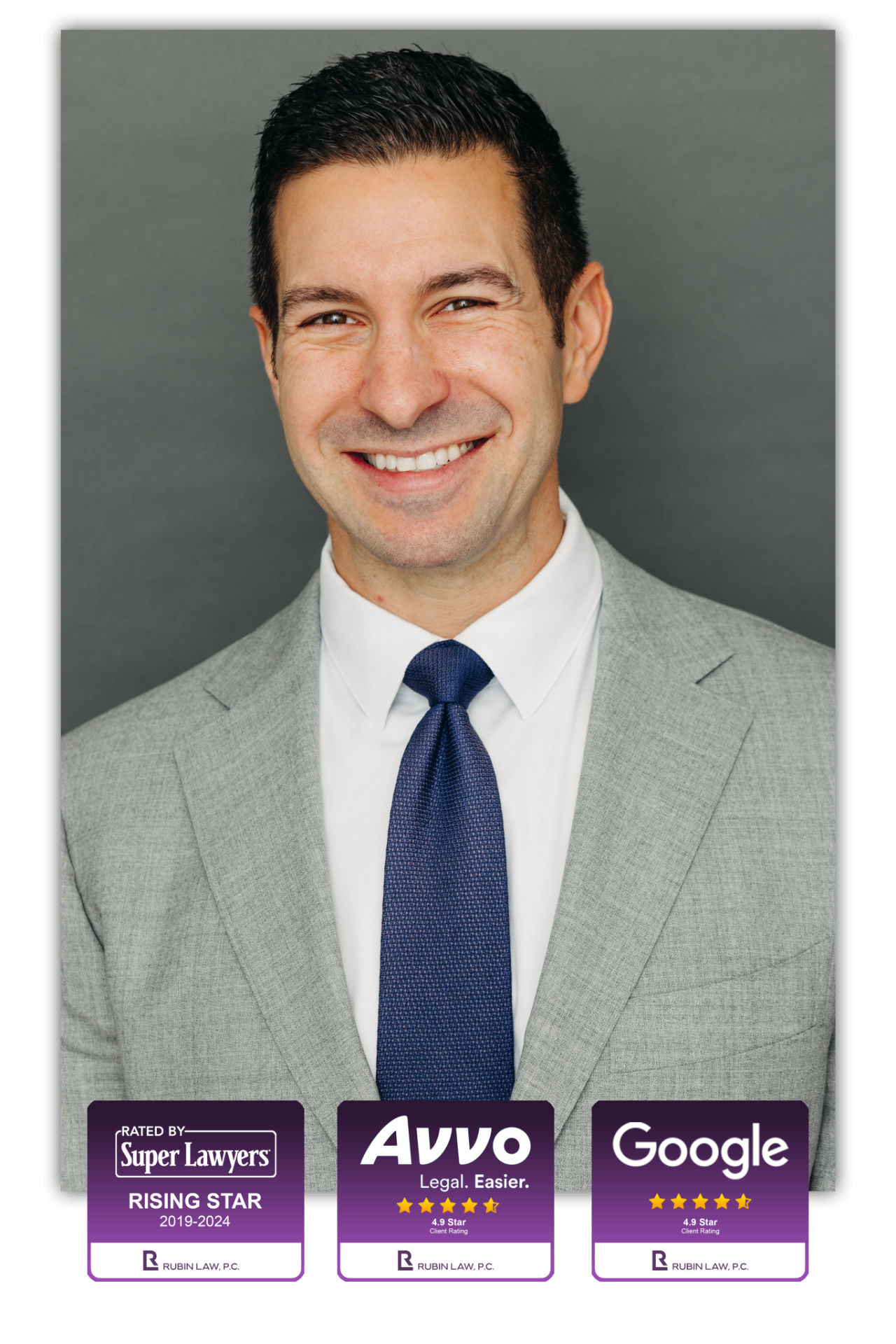
About the author
Written by Daniel S. Rubin, Los Angeles Criminal Defense Attorney
Daniel A. Rubin has defended thousands of clients across Los Angeles County against felony, misdemeanor, and federal charges — from DUI and drug crimes to violent felonies and white-collar prosecutions.
Call (213) 723-2337 for a Free ConsultationAvailable 24/7 — Free Consultation
Arrested in Los Angeles? Call Now.
Your first call is free and confidential. We answer nights and weekends.