30+ Years ExperienceFree ConsultationAvailable 24/7
Driving in California requires knowing the laws about DUI. The California breathalyzer limit is crucial to understanding. For drivers over 21, the BAC limit for driving in California is 0.08%. This matches the national standard for impaired driving. Drivers under 21 face stricter rules and can be charged with DUI if their BAC is just 0.01%.
In California, there’s no room for DUI. For commercial drivers and passenger transporters, the BAC limit is lower at 0.04%. This rule applies everywhere, including for young bicyclists aged 13 to 20. They risk losing future driving rights if they exceed the BAC limit. It shows how serious California is about preventing DUI.
The consequences of DUI in California are severe. They can include losing your license, mandatory DUI programs, and possibly having to install an ignition interlock device. This makes sticking to the California breathalyzer limit very important. It’s about more than just following the law. It’s about staying safe on the road and taking personal responsibility.
Understanding DUI Laws in California
It's important for drivers in California to understand California DUI laws. These laws are strict to help reduce impaired driving.
Overview of DUI Regulations
Driving under the influence in California can lead to tough penalties. Starting with a license suspension, consequences can increase based on the offense. The state treats illegal drugs and prescription meds the same if they impair driving. Also, knowing if a DUI is considered a felony is crucial.
The Role of Blood Alcohol Content (BAC) in DUI Offenses
California's BAC limits are key in DUI cases. There's a 0.08% limit for drivers over 21. Commercial drivers have a 0.04% limit, and it's just 0.01% for under 21s. This shows California's strict stand on drinking and driving, especially for youngsters.
Legal Definitions of Impairment and Influence
The penalties for DUI in California go beyond fines. Impairment means how drugs or alcohol affect driving abilities like reflexes and decision-making. This considers both physical signs and BAC levels found during checks.
Refusing a chemical test triggers automatic penalties like losing your license. This is very strict for those under 21 or on DUI probation. It highlights the importance of following law enforcement requests.
Category
BAC Limit
Immediate Consequences
General Drivers over 21
0.08%
6-month license suspension
Commercial Drivers
0.04%
Increased fines and penalties
Drivers under 21
0.01%
One-year suspension for test refusal
Every driver in California should know these laws and limits. This knowledge helps avoid violations and keeps roads safer for everyone.
What is The California Breathalyzer Limit
When talking about what is the California breathalyzer limit, it's key to know that this limit changes based on who is driving and what they are driving. In California, the legal Blood Alcohol Concentration (BAC) limits help to make the roads safer. For most people over 21, the California breathalyzer limit is 0.08% BAC. This is the highest BAC you can have before you're seen as unfit to drive a non-commercial vehicle.
But, there are stricter rules for some drivers. Those under 21 and drivers on DUI probation must follow a zero tolerance rule, with a limit of 0.01% BAC. This strict rule reflects the dangers of underage drinking and driving. Commercial drivers have a limit of 0.04% BAC, due to the greater responsibility they carry.
To explain the California breathalyzer limit more clearly, below is a table. It shows the BAC limits for different driver groups and what happens if they break these rules:
Driver Category
Legal BAC Limit
First Offense Penalties
Drivers aged 21 and above (Non-commercial)
0.08%
4-month license suspension, $125 fine
Underage Drivers (Under 21)
0.01%
1-year license suspension, $100 fine
Commercial Vehicle Drivers
0.04%
Varies by commercial licensing rules
The California breathalyzer limit framework sets legal impairment levels and adjusts for different types of drivers to keep everyone safe. Knowing these rules and the penalties for breaking them is important for all California drivers.
Breaking Down BAC: What it Means Legally
Blood Alcohol Content (BAC) is key in legal matters, especially DUI cases in California. Knowing the exact blood alcohol content limit in California helps follow the law. It also shows how serious penalties can be. The bac limit in California is 0.08% for most drivers. However, this drops for some drivers, showing tighter rules and more responsibility.
Calculating BAC involves things like drinks had, body makeup, and how fast you metabolize alcohol. These vary greatly between people. This number is vital in deciding if driving is legal under state laws. In California, the acceptable levels differ by the driver’s age and job, with stricter limits for commercial drivers and those under age.
To get detailed information on these limits and the science behind them, you can check out the details here. It's key for every driver to know not just the BAC numbers but what they mean.
General BAC threshold: 0.08%
Commercial drivers: 0.04%
Underage drivers: 0.01% (Zero Tolerance Policy)
Having different BAC levels leads to big consequences. For instance, going over the blood alcohol content limit in California could mean fines, losing your license, or jail. The state has tougher penalties for repeat offenders or if a DUI causes an injury.
Knowing and sticking to the BAC limit in California is vital for all drivers. It keeps you legally safe and physically unharmed. It also helps protect other people on the road. This creates a community more aware of the dangers of driving under the influence.
Penalties for Exceeding the California Breathalyzer Limit
If a driver goes over the California breathalyzer limit, they will face tough california dui penalties and california dui consequences. These penalties aim to stop impaired driving. They show how serious the state is about keeping roads safe. Knowing these penalties helps drivers think twice before driving under the influence.
Short-Term Consequences
Right away, drivers who go beyond the BAC limits face immediate trouble. For regular drivers, the BAC limit is 0.08%. Commercial drivers have a tighter limit of 0.04%. Minors must have a BAC under 0.01%, following California's strict rule for young drivers. Break these limits, and you could get arrested, lose your driving license for a while, face big fines up to $2,000, and maybe even spend time in jail.
Long-Term DUI Consequences in California
The consequences of a DUI last much longer than the immediate legal problems. They include long-term license suspension and having to install a device in your car that checks your breath for alcohol. If the driver's BAC was 0.15% or higher, this is a must. You will also need to go to DUI school and your car insurance cost will likely skyrocket. This is because of the required SR-22 filing. For more serious cases with a BAC of 0.20% or higher, the court might order up to 60 hours in an alcohol treatment program.
Getting a DUI can also mean community service and harm your job chances because of the criminal record.
For more details on updated DUI rules in Cali and how they lower road dangers with tough penalties, check out new DUI laws and penalties.
The Process of DUI Testing in California
In California, it's important to know how DUI tests work if you drive. These tests include field sobriety and breathalyzer tests, which follow strict rules. This part explains the main steps and laws for these tests.
Field Sobriety Tests Versus Breathalyzer Tests
Choosing between field sobriety and breathalyzer tests can change a DUI stop's result. Field tests check if you're physically and mentally okay to drive. Meanwhile, breathalyzer tests measure your blood alcohol level. They see if it's over the limit, which is 0.08% for those 21 and over, and 0.01% for younger drivers.
Breathalyzer test results are key because they impact what happens next in court. If you're 21 or older and your blood alcohol is 0.08% or more, you could lose your license for four months. Not taking the test when asked can lead to a year without your license for a first-time refusal. This shows California's strict DUI laws.
Rights and Obligations During DUI Stops
Knowing your rights during a DUI stop is vital. California laws let you refuse a breath test before you're arrested, unless you're underage or on DUI probation. But after arrest, you must take the test. Saying no could mean losing your license.
Refusing a breath test post-arrest can make penalties worse if you're later found guilty. California ensures their testing equipment's accuracy by requiring regular checks. Also, they have a rule that you must be watched for 15 minutes before taking a breath test.
Besides breathalyzer tests, blood or sometimes urine tests are used, especially if drug use is suspected. Blood tests are often seen as more accurate in showing your exact blood alcohol level. They follow strict guidelines.
California's tough penalties and enforcement of DUI laws highlight how crucial it is to follow these regulations. Being up-to-date on DUI laws and understanding the testing process can greatly impact what happens to drivers in California.
Special Considerations for Different Drivers
In California, understanding DUI laws is really important for everyone. Especially for certain drivers like those who are underage, drive commercial vehicles, or work for rideshare companies. The rules change a bit for these groups because of their unique situations and the risks they might bring.
For young drivers under 21, California is very strict. They have a rule that allows almost no alcohol in their system - only 0.01%. This is to keep the roads safe and discourage drinking and driving among the youth. Knowing the legal BAC limits is crucial, because it seriously affects young drivers' futures.
Commercial drivers have their own set of rules too. Their BAC limit is 0.04%, half of what's allowed for regular drivers. This lower limit is there because professional drivers spend lots of time on the road. They often drive large vehicles, and any mistake can be very serious. This category includes bus drivers, truck drivers, and others with a commercial license.
Rideshare drivers, like those for Uber and Lyft, also must follow the 0.04% BAC limit. This ensures the safety of their passengers. It shows how California is changing laws to keep up with new services like ridesharing. These changes help protect everyone on the road.
Driver Category
BAC Limit
Key Consideration
Underage Drivers
0.01%
Zero-tolerance Policy
Commercial Drivers
0.04%
Professional Responsibility
Rideshare Drivers
0.04%
Passenger Safety
California's DUI laws are carefully designed for different drivers. They aim to increase understanding and follow-through among various groups of drivers. By closely watching these rules, California makes sure they're keeping the roads safe for everyone.
Challenging a DUI Charge in California
When you challenge a DUI charge in California, it often depends on two main things. These are the accuracy of your Blood Alcohol Concentration (BAC) test and if the law was followed correctly during your test and arrest. Any mistakes here could be a strong reason to fight the California DUI charge.
Experts in challenging DUI charges look closely at how the DUI test was done. Because testing your breath and blood for alcohol is complex, many issues can mess up the results. This could weaken the charge against you.
Having a great lawyer is key when fighting a California DUI charge. Lawyers who know a lot about DUI laws use many defense strategies. They look for mistakes in how the BAC test was done or if the correct steps were not followed. Issues like the breathalyzer not being set up right or not watching the person before testing can lead to dropping the charges or even getting the case thrown out.
Strategies for Disputing BAC Results
Sometimes, BAC results from breath tests can be wrong. Things like eating or drinking right before the test, acid reflux, or certain diets can change the results. Also, not checking the breathalyzer the right way, which should be done every 10 days or every 150 uses, can be a strong point in fighting a DUI.
Looking closely at how the BAC test was done and its results is very important. This is because DUI convictions rely a lot on these results. The time when the test was done can also matter a lot in defense. Cases with BAC levels close to the legal limit can be questioned, due to the known mistakes and chances for wrong positive results with breath tests.
California DUI defense attorneys might ask for the tests to be done again. They may doubt how well the first tests were done. This serious and informed legal challenge is crucial for defending the accused's rights and future.
Dealing with a DUI charge is tough. It requires knowing a lot about BAC testing science and legal rules. This is why having a lawyer who specializes in DUI is very important. They can help go through and possibly beat DUI charges in California.
Preventive Measures and Safe Driving Practices
Knowing how alcohol affects driving is key to DUI prevention in California. Safe driving isn't just about following laws. It's also about keeping communities safe and saving lives. Every driver in California can help prevent DUIs by being informed and responsible.
The Importance of Understanding Alcohol's Effects
Alcohol badly affects judgment, coordination, and safe driving. The body can handle about one drink per hour. But, how alcohol affects you depends on many things like weight, age, and sex. Even with a BAC of just 0.02%, you might start to feel different and make poor driving choices.
Resources for Substance Abuse and Safe Driving
California offers many resources to fight substance abuse and promote safe driving. Having access to alcohol education and treatment is key to DUI prevention. Requiring ignition interlock devices for DUI offenders shows the serious consequences of drunk driving.
It's also crucial for drivers to know the legal consequences of DUIs. In California, being charged with DUI for the first time can lead to big fines. You might also have to go to educational programs to avoid further offenses. Knowing these facts can help stop drunk driving and encourage safer choices, like using a designated driver or public transport. This makes roads safer for everyone.
Overall, DUI prevention in California relies on education, strict DUI laws, and good resources for dealing with substance abuse. Focusing on these things helps reduce drunk driving and promotes safe, responsible driving.
Navigating DUI Proceedings and DMV Hearings
Grasping DUI proceedings in California and how to face a DMV hearing can seem tough. Right after a DUI arrest, it's important to act fast. This helps keep your driving rights and gets you ready for legal battles.
When you're arrested, you get a "Notice of Suspension" which acts as a short-term license. You must ask for a DMV hearing within ten days to challenge this decree. If you don't, your license automatically gets suspended after 30 days, something many miss during the stress of an arrest.
To prep for a DMV hearing, you need solid proof like BAC readings and witnesses. This hearing is a big deal. It assesses evidence with a "preponderance of the evidence" standard. This standard is lower than "beyond a reasonable doubt." Still, you must prepare well to challenge the evidence.
Review the Police Report: Check all details are right and look for any mistakes.
Gather Evidence: Medical and device calibration records can be key, especially if you're questioning BAC levels.
Legal Consultation: Talking to a lawyer who knows DUI proceedings in California well can greatly help your case.
Drivers need to know how a DMV hearing decision can impact their life. It affects job stability and family duties that need driving. If your suspension is confirmed, it's vital to see if you can get a limited license for critical driving needs.
Managing DUI proceedings in California means knowing the legal and admin sides. The paths of court and DMV hearings often cross. So, thorough preparation and understanding your rights are key. Learn more about handling a DMV hearing and other legal advice.
Conclusion
In California, DUI laws are strictly enforced to keep our roads safe. There's a focus on making sure the breathalyzer limit is followed closely. Different drivers, like commercial drivers and minors, have different legal blood alcohol limits. This shows how California considers each driver's role on the road. For most drivers over 21, the blood alcohol limit is .08% or less. Going over this limit is dangerous and against the law.
California's DUI penalties are tough. They're meant to stop people from driving under the influence. The consequences include fines and losing your driver's license. They can also hurt your job chances and personal life later. If someone's blood alcohol level is between .05% and .08%, the law doesn't automatically say they're impaired. This careful approach highlights the fairness of California's legal system in DUI cases.
DUI defenses are complex and include the "rising blood alcohol" argument. This theory suggests a driver's blood alcohol level might have been legal while driving but went up later. Defending yourself against a DUI charge often needs a lawyer's help. For more details on this defense, check this resource. Following DUI laws and making smart choices about alcohol can help keep everyone safe on the road in California.
FAQ
What is the legal Blood Alcohol Content (BAC) limit in California?
In California, drivers over 21 must keep their BAC under 0.08%. For those under 21 or on DUI probation, it's 0.01%. Commercial drivers and those driving for hire need to stay below 0.04%.
What constitutes a DUI offense in California?
Driving with a BAC above the limit is a DUI offense in California. It also includes when a driver is so impaired by alcohol or drugs they can't drive safely.
How is BAC calculated?
BAC measures the alcohol in 100 milliliters of blood. How much you drank, your gender, weight, and metabolism all play a part.
What are the short-term consequences of exceeding the California breathalyzer limit?
Getting caught over the limit can lead to arrest, losing your license, big fines, and possibly jail time.
What long-term DUI consequences can drivers face in California?
Long-term effects include losing your license for a long time, having to get an ignition interlock device, DUI classes, paying more for insurance, car impoundment, and serious legal issues if there was a crash with injuries or death.
What are the differences between field sobriety tests and breathalyzer tests?
Field sobriety tests check if you can walk straight and do other tasks. Breathalyzers measure your BAC to see if it's over the legal limit.
Do drivers have the right to refuse DUI tests in California?
Before arrest, you can say no to breath tests unless you're underage or on DUI probation. After arrest, you must take the test or face tough penalties, like losing your license.
What specific BAC limits apply to underage and commercial drivers in California?
Underage drivers can't go over 0.01% BAC. Commercial drivers and those driving people for money must stay below 0.04%.
Can a DUI charge be contested based on the accuracy of BAC testing in California?
Yes, you can fight a DUI if there's proof the BAC test was wrong because of bad equipment, mistakes in testing, or your health conditions affecting the results.
What are effective DUI prevention strategies?
To prevent DUIs, it helps to educate drivers about alcohol effects, use designated drivers, and give people access to help for substance abuse.
What steps should be taken after a DUI arrest in California?
After a DUI arrest, you should ask for a DMV hearing to try to keep your license, understand your charges, and get a lawyer to help with your defense.
How can one prepare for a DMV hearing after a DUI charge?
Getting ready for a DMV hearing means collecting evidence, understanding the process, and having a good defense, either on your own or with a lawyer's help.
About the author
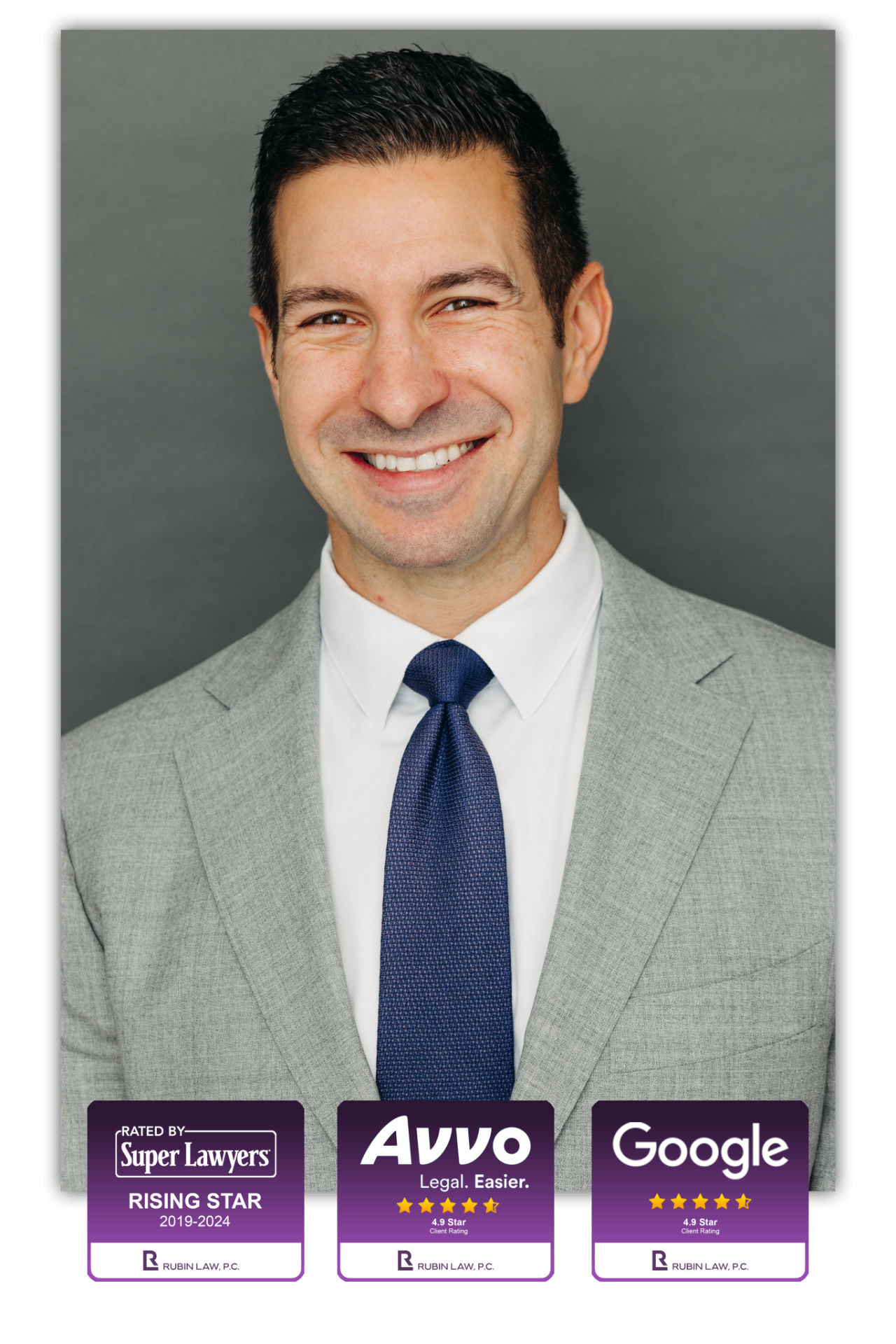
Written by Daniel S. Rubin, Los Angeles Criminal Defense Attorney
Daniel A. Rubin has defended thousands of clients across Los Angeles County against felony, misdemeanor, and federal charges — from DUI and drug crimes to violent felonies and white-collar prosecutions.
A serious DUI accident can change lives in an instant, especially when a fatality occurs. In California, if a person drives under the influence and causes someone's death, they can be charged with…
Many people wonder if they can work for Uber with a DUI. The answer is no. Uber's driver DUI policy focuses on safety, banning anyone with a DUI in the last seven years. This rule stops those with a…
Many people wonder how long does a DUI stay on your record in California . In California, the DUI record duration is important. It affects California DUI penalties and can change many things in your…